









Citrine as Water Stone & Gemstone Water
Citrine Water Stone: What's Behind Gemstone Water with Citrine?

A citrine water stone is a genuine, untreated citrine crystal that is placed directly into drinking water or used in a special gemstone water bottle – with the aim of giving the water a special quality or energy. Citrine belongs to the quartz family and is a natural silicon dioxide (SiO₂) with a characteristic yellow to golden-brown color. In the world of water stones, it is one of the most popular stones of all. Why this is the case, what you should look out for when buying, and how to properly prepare citrine water – you'll learn all this in this article.
Mineralogical Basics: What Is Citrine?
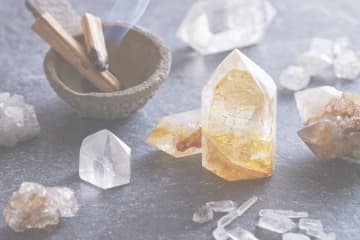
Citrine is a yellow variety of quartz. Its color is caused by traces of iron in the crystal lattice. Depending on the iron content and formation conditions, the hue varies from delicate lemon yellow to deep amber orange.
On the Mohs scale, citrine reaches a hardness of 7. This makes it robust enough for daily use in water. Its density is approximately 2.65 g/cm³. The refractive index is about 1.54–1.55.
Natural citrine is relatively rare. The most significant deposits worldwide are in Brazil (especially in Minas Gerais), in the Democratic Republic of the Congo, in Russia (Ural Mountains), and in Zambia. However, many "citrines" available on the market are actually heat-treated amethyst or smoky quartz – they look similar but do not come from natural citrine deposits.
Anyone wanting to use genuine, untreated citrine as a water stone should therefore look for certified origin information. At Crystal Paradise, you'll find only untreated citrine from verified sources – with clear labeling of the region of origin.
For a scientific overview of the chemical composition and crystal structure of quartz varieties, it's worth taking a look at the Mineralienatlas database, one of the most comprehensive German-language mineral reference sources.
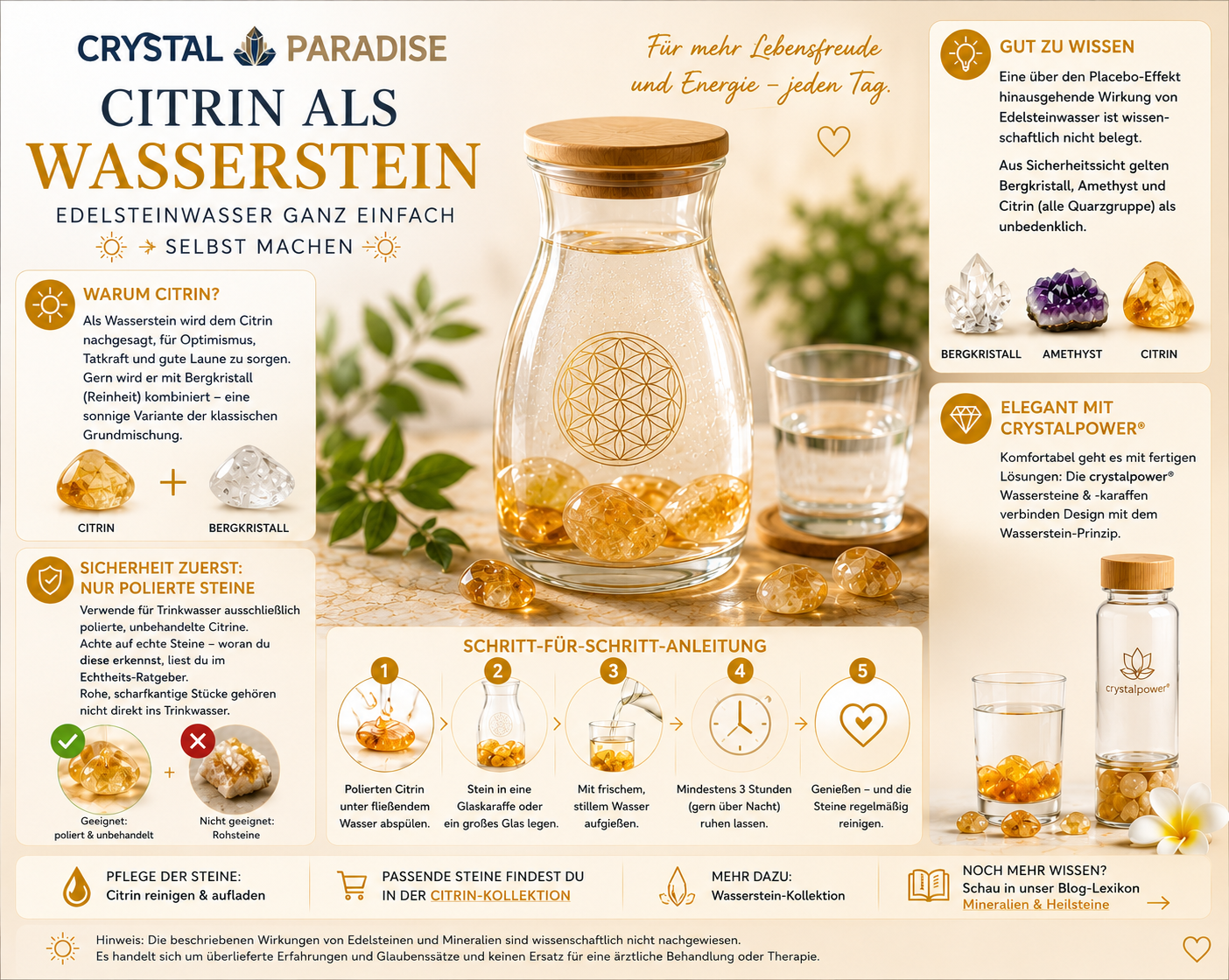
Citrine Water Stone: Use and Preparation of Gemstone Water
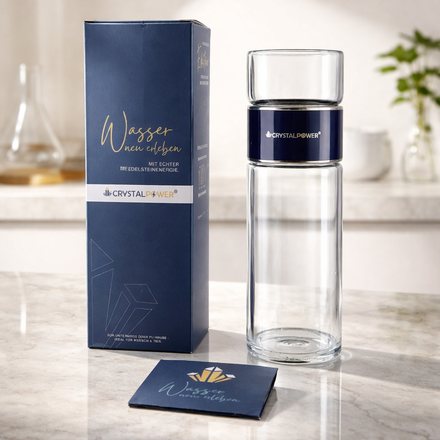
The application is very simple. You place a carefully cleaned citrine stone in a glass carafe or a special gemstone water bottle and fill it with fresh, cold water. After a steeping time of at least 6 to 8 hours – ideally overnight – the water is considered "charged."
Direct Method vs. Indirect Method
There are two common methods of use:
- Direct method: The stone lies directly in the water. This method works well with water-compatible stones like citrine (hardness 7, chemically stable).
- Indirect method: The stone is placed in a separate glass container within the water – no direct contact. This method is recommended for sensitive or water-soluble minerals.
Citrine is suitable for the direct method. It is chemically stable, does not release harmful substances into the water, and does not react with H₂O. Nevertheless, based on our own experience, we recommend thoroughly rinsing the stones under running water before each use.
Which Citrine Form Is Suitable as a Water Stone?
The following forms are generally suitable for use in water:
- Citrine tumbled stones (polished, rounded edges)
- Citrine chip stones or chips
- Citrine raw pieces (if the surface is stable)
- Citrine pendant sticks specifically for gemstone water bottles
Sharp-edged raw crystals are less practical, as small fragments can get into the water. Tumbled stones made of Brazilian citrine are the first choice here.
Tradition and Spiritual Significance of Citrine in Gemstone Water
Citrine has a long cultural history. As early as antiquity, Greek and Roman traders valued the brightly yellow quartz crystals as gemstones. The name derives from the Latin citrina (lemon-colored) – first documented mention in mineralogical writings from the 17th century.
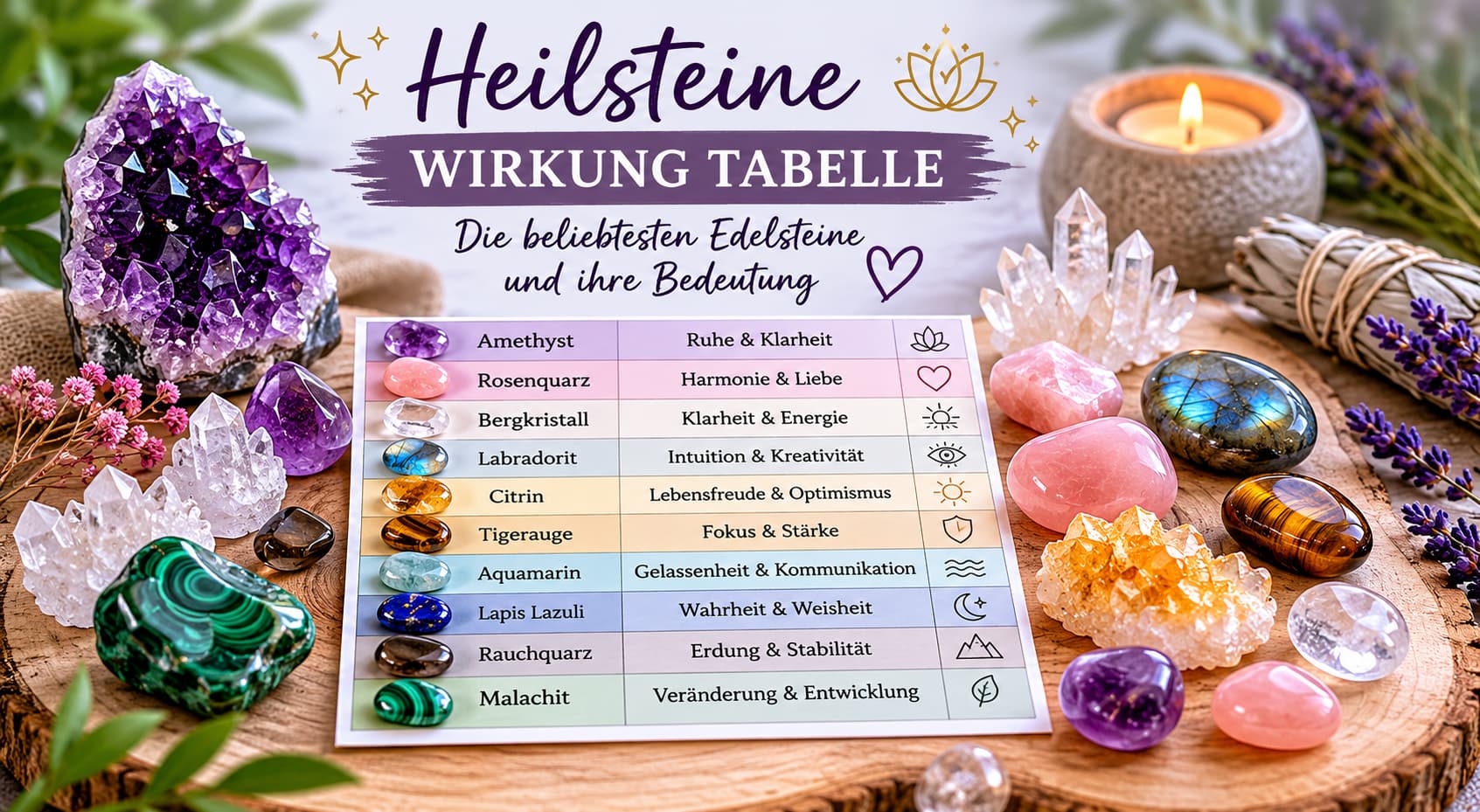
In crystal healing lore, citrine is traditionally referred to as the "stone of joy and light." It is traditionally said to promote inner clarity and support positive energy. As a water stone, it is considered by tradition to be particularly suited to charging water with "solar power."
In chakra teachings – an ancient Indian tradition – citrine is associated with the solar plexus chakra. This symbolically represents self-confidence, willpower, and vitality. You can learn more about these attributions in the article Citrine for Success, Abundance & Self-Confidence.
Those wanting to dive deeper into the world of water stones will also find interesting comparisons with other popular stones: Amethyst as a Water Stone or Rose Quartz as a Water Stone are also very popular in Crystal Paradise's range.
Identifying and Buying Genuine Citrine as a Water Stone

Unfortunately, the market is flooded with dyed or heat-treated stones sold as natural citrine. This is especially problematic for use in water, since treated stones may contain dyes or altered mineral structures under certain circumstances.
Here's how to recognize genuine citrine:
- Color: Natural citrine shows pale, somewhat uneven yellow tones. Overly intense orange or red tones usually indicate heat-treated amethyst.
- Inclusions: Genuine citrine often contains natural inclusions or veil-like clouding – perfectly clear stones are often synthetic or treated.
- Certificate of origin: Reputable dealers name the site of discovery and can verify the origin.
- Price: Genuine natural citrine is significantly more expensive than treated amethyst. Extremely cheap "citrines" sold in large quantities are a warning sign.
Why this is so important and how to proceed when buying is explained in our detailed article Identifying Genuine Citrine. By the way, in our showroom in Feldkirchen near Munich, you can personally pick up and examine the stones before purchasing – our advisory team's years of experience will help you make the right choice.
Cleaning and Care of the Citrine Water Stone
A citrine water stone needs regular care – especially with frequent use in water. We recommend the following care schedule:
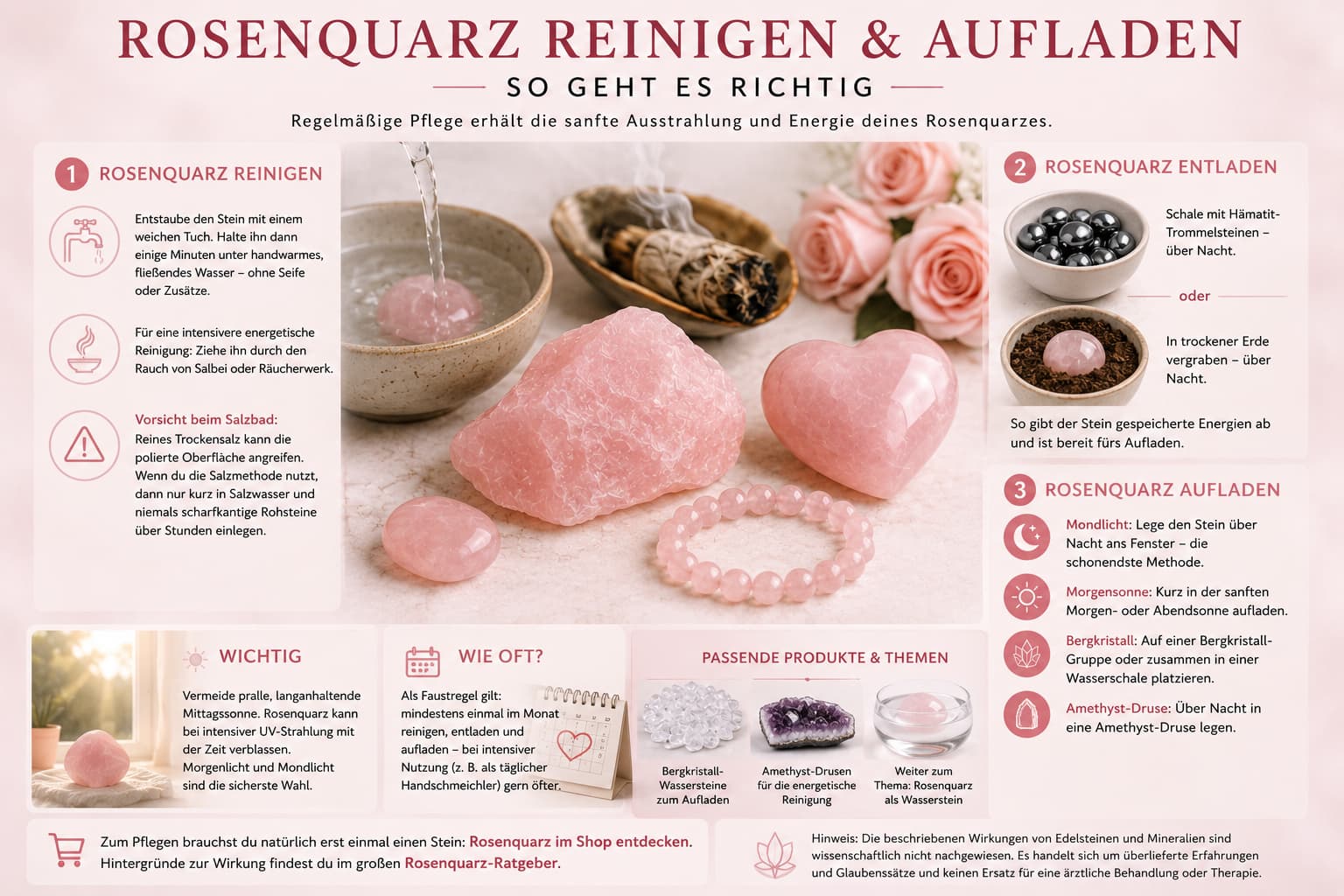
- After each use: Rinse the stone under lukewarm water (max. 40 °C).
- Weekly: Soak the stone overnight in fresh, cold water to "discharge" it.
- Monthly: Energetic cleansing by moonlight (full moon) or a brief soak in dry rock salt for 2–3 hours.
- Charging: Citrine is light-resistant – it does not fade in sunlight. Short sunbaths of 30–60 minutes are traditionally considered charging.
Avoid strong cleaning agents, ultrasonic cleaners, and temperature fluctuations above 50 °C. These can damage the crystal structure in the long term. You can find more on this in the article Cleaning & Charging Citrine.
Citrine Water Stones at Crystal Paradise – Our Selection
In our shop, we carry citrine water stones from various regions of origin. Each origin brings slightly different characteristics:
- Citrine from Brazil: Mostly intensely golden, from the mines of Minas Gerais – the most well-known origin worldwide.
- Citrine from the Congo: Often with strong transparency and vivid inclusions – a real insider tip for connoisseurs.
- Citrine from Russia: From the Ural Mountains, known for its delicate color and high purity.
- Citrine from Zambia: African origin with warm golden tones and impressive crystal structure.
All stones in our Buy Water Stones collection are tested for water compatibility and safe for use with the direct method. Information about related water stones – such as clear quartz – can be found under Buy Clear Quartz Water Stones.
Frequently Asked Questions

Can I put citrine directly into my drinking water?
Yes, citrine has a hardness of 7 and is chemically stable, making it suitable for the direct method in water. It does not release harmful substances. It's important to thoroughly clean the stone under running water beforehand and to care for it regularly.
How long does citrine need to steep in water to create gemstone water?
Tradition recommends a steeping time of at least 6 to 8 hours. Many users leave the citrine in the water overnight – i.e., about 8–10 hours. The longer the contact, the more intensely the water is considered "charged" according to traditional practice.
How can I tell if my citrine water stone is genuine?
Genuine, untreated citrine usually shows pale to medium yellow tones, slight irregularities in color, and natural inclusions. Very intense orange or red tones often indicate heat-treated amethyst. Always buy from dealers who transparently disclose the site of discovery and origin – as is standard at Crystal Paradise. More on this in the article Identifying Genuine Citrine.
Which citrine water stone is best for beginners?
For beginners, we recommend polished citrine tumbled stones: they have no edges where deposits can build up, are easy to rinse off, and are a good entry point in terms of price. It's important to choose untreated, natural citrine – a large portion of the citrine on offer is heat-treated amethyst. At Crystal Paradise, the treatment is disclosed for every piece. For the application itself, the indirect method with a glass insert remains the safest choice.

Written by Christian Neumayer

Leave a comment
This site is protected by hCaptcha and the hCaptcha Privacy Policy and Terms of Service apply.