







Apophyllite Forms Guide
Apophyllite Forms at a Glance: What You Should Know

Apophyllite forms refer to the various natural and hand-worked appearances of the mineral apophyllite – a phyllosilicate tectosilicate with a tetragonal crystal structure, a hardness of 4.5 to 5 on the Mohs scale, and a characteristic glassy luster on its cleavage surfaces. Whether as a pointed raw crystal tip, a flat hand specimen, a polished sphere, or a freeform – every appearance highlights the unique character of this mineral differently. This guide shows you all the important forms in detail.
Apophyllite is mainly mined in India, especially in the Pune region (Maharashtra). This is where the world's most well-known specimens come from. Further deposits exist in Brazil, Mexico, Greenland, and Germany (Ore Mountains). In our showroom in Feldkirchen near Munich, we have seen hundreds of apophyllite pieces over the years – and we recommend that every beginner compare different forms directly. The difference in appearance and character is impressive.
The Most Important Apophyllite Forms in Detail
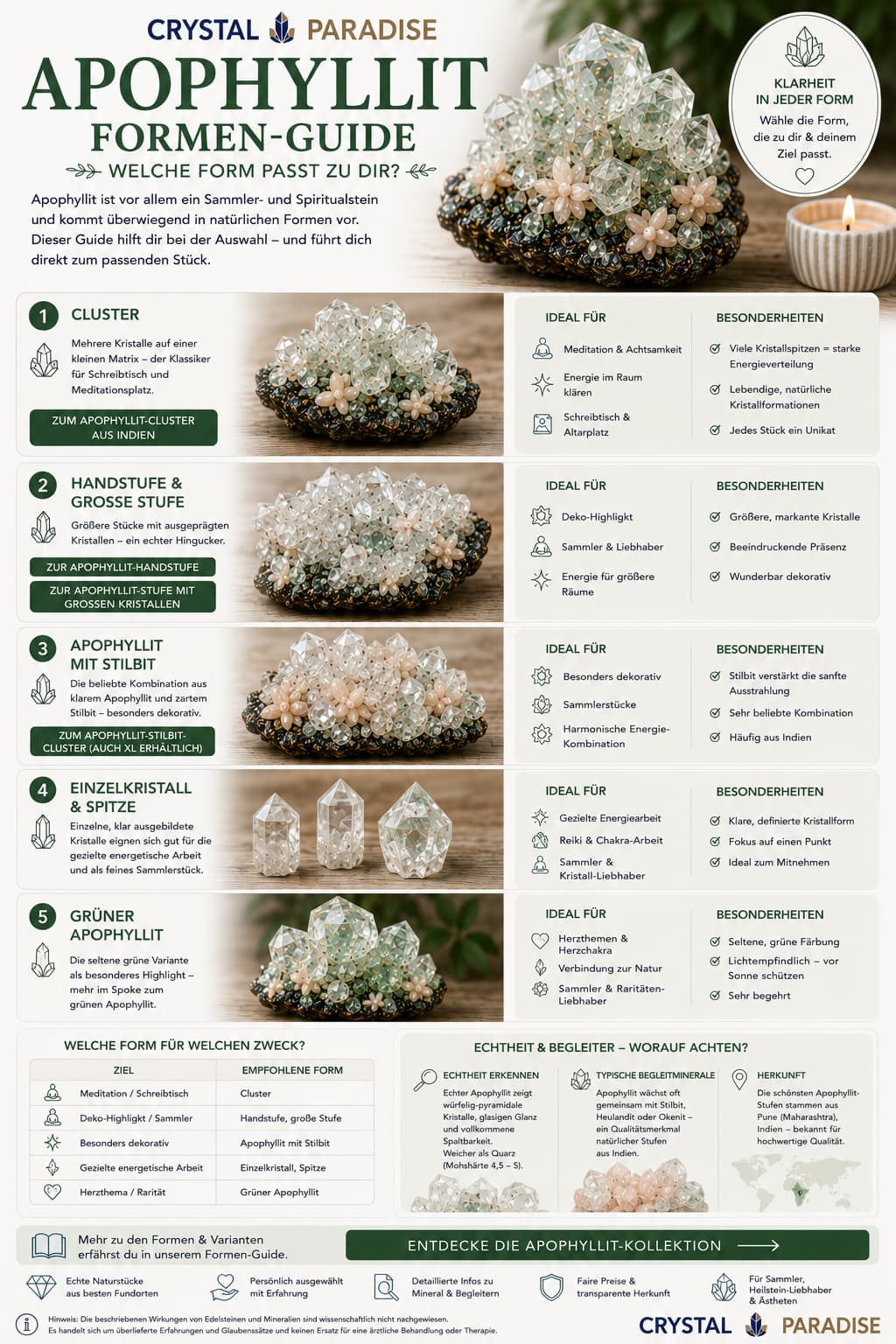
Apophyllite occurs in a wide variety of forms. Some form entirely naturally. Others are reworked by hand. Both categories have their own special appeal.
Raw Crystal Tips and Geodes
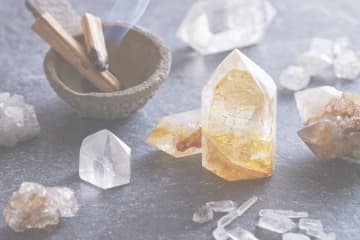
The best-known form is the natural pyramidal crystal tip. Apophyllite typically forms tetragonal prisms with pyramidal terminations. These tips can range from a few millimeters to over 15 centimeters in length. Specimens with several grown-together crystals – so-called geodes or cluster specimens – are especially prized.
Such pieces are often left unworked. The natural state shows the crystal geometry most purely. The apophyllite crystals often sit on a basalt matrix or together with stilbite, cavansite, or prehnite. You can learn more about these fascinating accompanying minerals in our article Identifying Genuine Apophyllite & Accompanying Minerals.
Freeforms
Freeforms are polished pieces without a fixed geometry. The stone is hand-shaped into an organic, flowing form. No two freeforms are identical. Freeforms are especially popular with apophyllite in green tones. They combine natural character with a pleasant feel.
Our article Using Freeform Crystals Stylishly as Decor shows you how to use freeforms stylishly as decor.
Spheres
Apophyllite spheres are rare and therefore especially valuable. The stone is difficult to grind due to its cleavage. A well-crafted sphere made of clear or green apophyllite is a true collector's item. Diameters of 4 to 8 centimeters are typical for specimens offered on the market.
Pyramids
Hand-cut pyramids echo the natural crystal shape of apophyllite. The tetragonal base form is inherent to the mineral anyway. A four-sided apophyllite pyramid therefore looks particularly fitting. It is often used for meditation and interior decoration – with a clarifying and connecting effect traditionally attributed to it in crystal healing lore.
Raw Pieces and Tumbled Stones
Raw pieces show apophyllite in its most original state. Tumbled stones are created by machine polishing in rotating drums over several days. They are smaller, more manageable, and more affordable. Tumbled stones are an ideal starting point for beginners. Due to the hardness of 4.5 to 5 Mohs, apophyllite is only somewhat suitable for tumbling – chipped edges are possible.
Scepter Crystals
Scepter-shaped apophyllite crystals form when a second crystal grows on top of an older one and surpasses it – like a scepter. This rare growth form is highly sought after by collectors. Our Scepter Crystal Collection gives you a good overview of this special growth form.
Green Apophyllite – A Special Form Variant
Besides colorless and whitish apophyllite, there is a rare green variety. Its coloring is caused by small amounts of iron in the crystal lattice. Green apophyllite comes almost exclusively from Pune, India. It is rarer and usually more expensive than its colorless relative.
In crystal healing lore, green apophyllite is traditionally attributed a particularly heart-opening and nature-connecting quality. You can read more about this in our detailed article Green Apophyllite.
Green apophyllite is mainly offered as a raw crystal specimen or freeform. Cut forms are elaborate and rare. Pieces over 500 grams in weight with intense green coloring are among the highlights of any mineral collection.
Caring for Apophyllite Correctly – Form-Dependent Notes

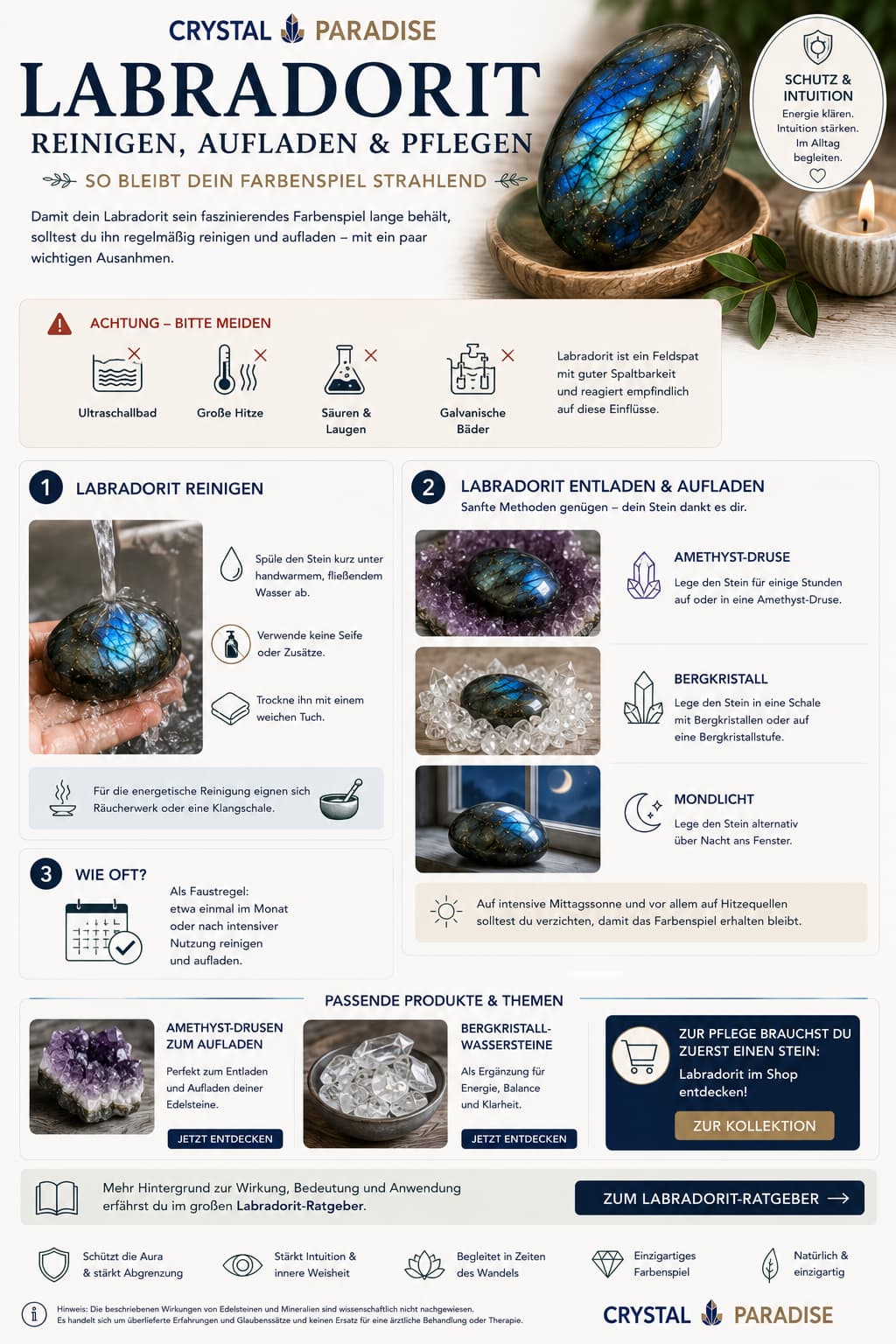
Caring for apophyllite also depends on its form. As a general rule: apophyllite is water-sensitive. Its perfect cleavage makes it sensitive to impact. Here are the most important care instructions by form:
- Raw specimens and geodes: Never soak in water. Remove dust only with a soft brush. Never scrub or rub.
- Polished forms (spheres, freeforms, pyramids): Dust with a dry, soft cloth. Brief wiping with a slightly damp cloth is tolerable – dry immediately afterward.
- Tumbled stones: Treat similarly to polished forms. No saltwater baths, as salt can attack the surface.
- Scepter crystals: Handle with extra care. The grown-on tip is prone to breakage. Store in cotton padding or on soft fabric.
- Energetic cleansing: Singing bowls, moonlight, or selenite plates are suitable. No sunlight for several hours – apophyllite can fade in direct sunlight above 30 degrees.
You can find a complete care guide in our article Cleaning, Charging & Caring for Apophyllite.
Buying Apophyllite Forms – What Matters
When buying apophyllite in various forms, you should pay attention to the following quality features:
- Transparency and clarity: High-quality tips are clear to slightly milky. Strong cloudiness may indicate treatment.
- Undamaged crystal faces: Cleavage surfaces should be free of deep scratches or chips.
- Origin information: Reputable sellers name at least the region of origin – for apophyllite, ideally Pune/Nashik, India.
- Natural condition: Genuine apophyllite is not dyed or treated. Unnaturally intense colors should raise questions.
- Size and weight: Specimens weighing 200 to 1000 grams offer a good price-to-value ratio for decorative purposes.
In our shop you'll find a carefully curated selection of hand-picked pieces: All Apophyllite Pieces at Crystal Paradise.
From our own experience with hundreds of customer conversations, we know: once you've held a genuine Indian apophyllite cluster in your hands, you immediately understand why this stone is so special. The glass-like clarity, the pearly luster, and the geometric precision of the natural crystals are unique.
For a broader comparison with other minerals in similar forms, we also recommend our Amethyst Forms Guide and the Celestite Forms Guide.
For a mineralogical classification, we also recommend a look at the classification on Mindat.org – Apophyllite, the world's largest mineral database, as well as the description on the Mineralienatlas page on Apophyllite for German-language background information.
Frequently Asked Questions

Which apophyllite form is best suited for beginners?
For beginners, we recommend a small raw crystal specimen or a tumbled stone. Specimens from Pune show the typical crystal structure most beautifully. They are robust enough for beginners and comparatively affordable. Tumbled stones offer a handy alternative for on the go.
Can all apophyllite forms be cleaned with water?
No. Apophyllite is water-sensitive due to its perfect cleavage and hardness of only 4.5 to 5 Mohs. Raw specimens and scepter crystals in particular should never be submerged in water. Polished forms such as spheres or freeforms can tolerate brief, damp wiping – but not prolonged soaking.
What is the difference between green and colorless apophyllite in terms of forms?
Green apophyllite is offered almost exclusively as a raw specimen or freeform. It is rarer and more prone to breakage when cut. Colorless apophyllite is available in significantly more forms: tips, pyramids, spheres, tumbled stones, and clusters. Both varieties come predominantly from the Pune region in India.
How can I recognize genuine apophyllite by its form?
Genuine apophyllite shows tetragonal crystal prisms with characteristic pyramidal terminations. The cleavage surfaces have a pearly luster. Synthetic imitations hardly exist – more often, other minerals are sold as apophyllite. You'll find tips for authenticity testing in our article Identifying Genuine Apophyllite.
Which apophyllite form is best suited for meditation?
In spiritual practice, according to traditional lore, pyramids and large raw crystal tips are particularly used for meditation. They are said to clear spaces and promote inner stillness. You can read more about this in our article Apophyllite for Meditation, Spirituality & Chakra.
Note: The effects mentioned are spiritual traditions without scientific evidence.

Written by Christian Neumayer

Leave a comment
This site is protected by hCaptcha and the hCaptcha Privacy Policy and Terms of Service apply.