







Citrine Shape Guide
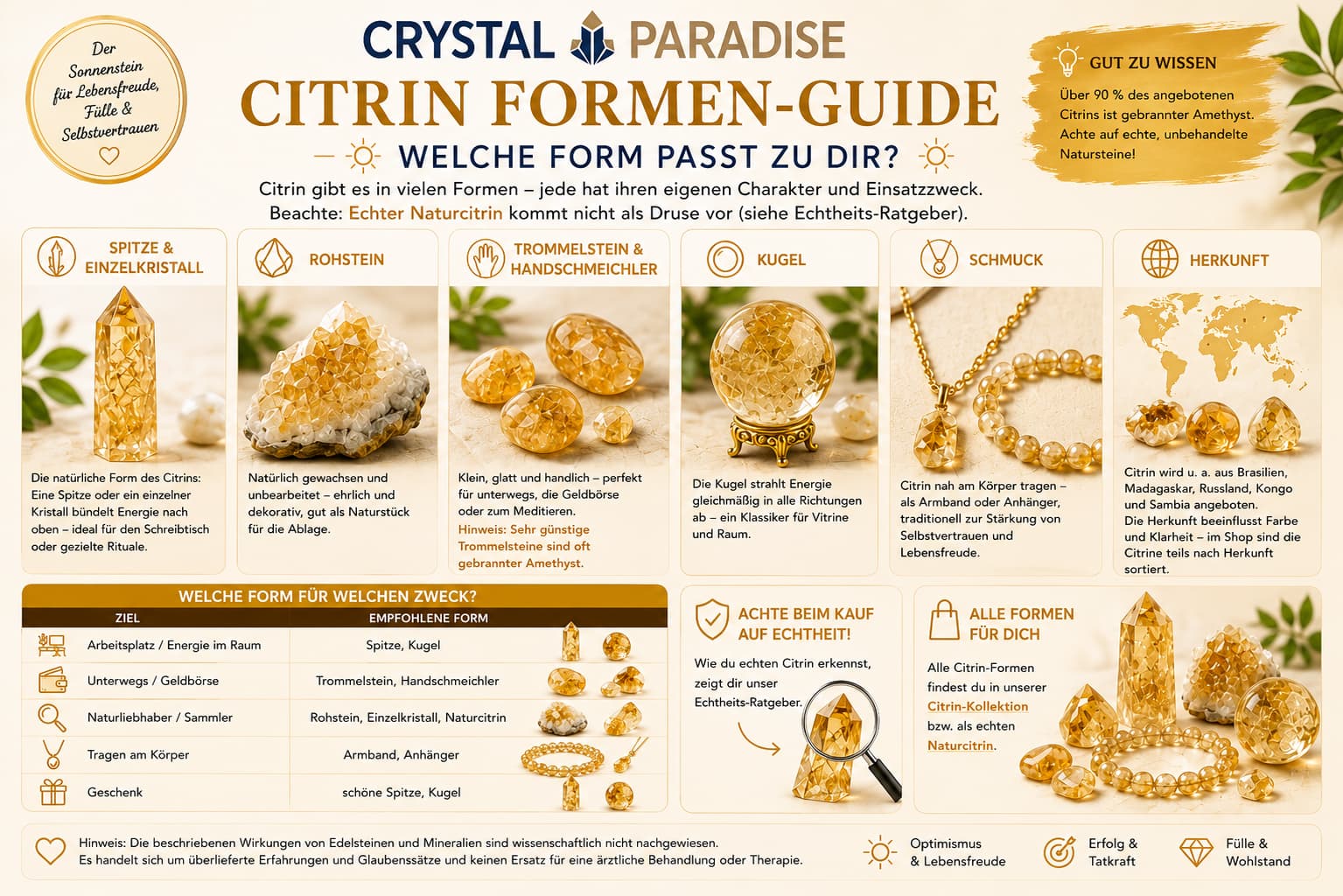
Citrine Shapes at a Glance: Which Shape Suits You?

Citrine shapes are far more than mere aesthetics. Whether raw specimen, polished sphere, or natural scepter – each shape carries the unmistakable character of this sun-yellow quartz mineral, unfolding its own unique presence in a room. Citrine is a silicon dioxide mineral (SiO₂) from the quartz family with a Mohs hardness of 7. Its characteristic golden-yellow to orange hue results from iron ions in the crystal lattice. If you want to understand which citrine shape best suits your collection, decor, or spiritual practice, you'll find a compact, practical guide here.
You can learn more about the general properties of this stone in our article Citrine: Effects, Meaning & Uses.
Mineralogical Basics: Why Citrine Is So Versatile
Citrine belongs to the large quartz family. Natural citrine forms when quartz is in contact with iron-bearing solutions over millions of years. The color is caused by trivalent iron ions (Fe³⁺) in the crystal lattice – as clearly documented by mineralogy, for example in the Mindat.org entry on citrine. The best-known deposits are in Brazil, especially in the state of Rio Grande do Sul, as well as in Zambia, Russia (Ural), and the Democratic Republic of the Congo. Each region of origin produces slightly different color nuances – from pale lemon yellow to deep amber orange.
Around 80% of the material sold worldwide as citrine is heat-treated amethyst or smoky quartz. Genuine, untreated citrine is rarer and correspondingly more valuable. In our article Identifying Genuine Citrine, we explain step by step what to look out for. At Crystal Paradise, you'll also find a curated selection of untreated citrine directly from the countries of origin.
The Most Important Citrine Shapes and Their Characteristics
In our showroom in Feldkirchen near Munich and in our online shop, we carry the most popular citrine shapes based on years of experience – we recommend always considering the individual character of a piece when buying, since no unique piece is exactly like another.
Raw Citrine Specimens and Geodes
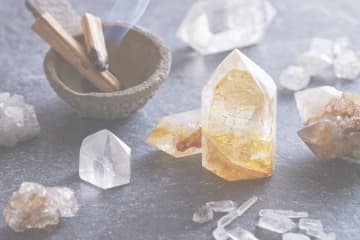
Raw specimens show citrine in its most natural state. The crystals grow out of a matrix rock plate. Larger examples can weigh several kilograms and reach up to 30 cm in height. They serve as impressive decorative pieces and are traditionally used in crystal healing as energy-bringers in living spaces.
- Advantage: Maximum natural character, each piece is one of a kind
- Popular with: Collectors and home decor enthusiasts
- Origin tip: Brazilian specimens from Rio Grande do Sul are considered particularly rich in color
Citrine Spheres
Spheres are created through elaborate grinding and polishing. They have a uniform diameter – typical sizes range between 4 and 12 cm. The round shape symbolizes wholeness and harmony. In Feng Shui practice, citrine spheres are often placed in the wealth area of a room.
Citrine Freeforms
Freeforms are hand-polished, one-of-a-kind pieces without a fixed geometry. They follow the natural shape of the rough stone and are gently smoothed. The result is an organic, modern sculpture. Freeforms are currently in high demand – they work equally well as table decoration or on a shelf.
Citrine Scepters
Scepter quartz is one of nature's most fascinating growth forms. A younger crystal grows around the upper end of an older host crystal – the result resembles a medieval ruler's staff. Natural citrine scepters are rare and highly sought-after collector's pieces. Our Scepter Collection gives you an overview of available unique pieces.
Citrine Points and Obelisks
Polished points and obelisks have a base and taper upward to a point. They range between 5 and 20 cm in height and appear particularly elegant due to their clear geometry. In crystal work, points are traditionally used to direct energy in a targeted way.
Citrine Tumblers
Tumblers are small, rounded stones usually weighing between 5 and 30 grams. They are low-maintenance, affordable, and ideal as daily companions in a pocket or bag. For beginners, tumblers offer a perfect first contact with the stone.
Citrine Pendants and Jewelry
Citrine pendants made from natural rough stone or polished material are worn as jewelry. They combine aesthetic appeal with the desire for a personal energy companion. When buying, pay attention to treatment information – genuine, untreated citrine is also the higher-quality choice in jewelry.
Citrine Shapes for Different Uses
The choice of the right shape depends on the intended use. Here's a practical overview:
- For home decor: Specimens, freeforms, and spheres from 8 cm in diameter make strong visual accents.
- For daily companionship: Tumblers and pendants are handy and durable.
- For collectors: Natural scepters, double-terminated crystals, and untreated raw material from specific locations.
- As a gift: Polished points in a nice gift box are timeless and suitable for various age groups.
- For crystal work: Points, obelisks, and spheres are especially commonly used in traditional energy work.
Origin and Quality: Where Does Your Citrine Come From?

The origin of a stone significantly influences its color, transparency, and character. According to the Gemological Institute of America (GIA), citrine is among the most popular and widely available gemstones worldwide – precisely because it occurs in so many color nuances and shapes. Here's a brief origin guide:
- Citrine from Brazil: Typically intense golden yellow to orange-brown – especially known for the large geodes from Rio Grande do Sul. Go to the collection: Buy Citrine from Brazil
- Citrine from Zambia: Often paler, clear lemon yellow with high transparency. Available in our Citrine from Zambia Collection
- Citrine from Russia (Ural): Rarer, sometimes very clear crystals with their own mineralogical maturity. Details can be found at Buy Citrine from Russia
- Citrine from the Congo: Often found in interesting intergrowths with other minerals – ideal for collectors. Right this way: Citrine from the Congo
Care and Cleaning of Citrine in Every Shape
Citrine, with a hardness of 7, is relatively robust. Still, there are important care tips to consider:
- Light: Citrine can fade under prolonged direct sunlight. Storing it in indirect light protects its color.
- Cleaning: Lukewarm running water and a soft cloth are sufficient. Do not use harsh cleaners.
- Temperature: Strong temperature fluctuations above 60 °C can cause micro-cracks – especially relevant for polished shapes.
- Charging: Many enthusiasts place citrine on a windowsill for a few hours during a full moon. Find our full care routine in the article Cleaning & Charging Citrine.
Traditional Meaning of Different Citrine Shapes in Crystal Healing
In crystal healing, citrine is traditionally associated with the solar plexus chakra. According to tradition, it is said to have a strengthening effect on self-confidence, creativity, and joy of life. According to this tradition, the shape is said to influence how the effect unfolds:
- Spheres: Traditionally regarded as a symbol of balance and harmonious energy distribution in a room.
- Points and obelisks: In crystal healing, the point is considered a focusing tool for intention and clarity.
- Raw specimens: Traditionally said to serve as a natural source of energy in living spaces – said, according to tradition, to enliven rooms.
- Scepters: In traditional lore, scepter quartz stands for leadership strength and personal power.
You can find out more about the traditionally attributed properties in our article Citrine for Self-Confidence – What It Can Give You.
Frequently Asked Questions

Which citrine shape is best suited for beginners?
For beginners, we recommend tumblers or small polished points. They are affordable, durable, and easy to integrate into everyday life. Tumblers often cost between 3 and 15 euros and make a good first contact with the stone.
How can I identify genuine citrine by its shape?
Natural citrine often shows uneven color distribution – more intense at the base, lighter toward the tip. Heat-treated amethyst, on the other hand, often has a very even, deep orange tone. Untreated pieces are mineralogically and visually more subtle. Our guide Identifying Genuine Citrine can help you further.
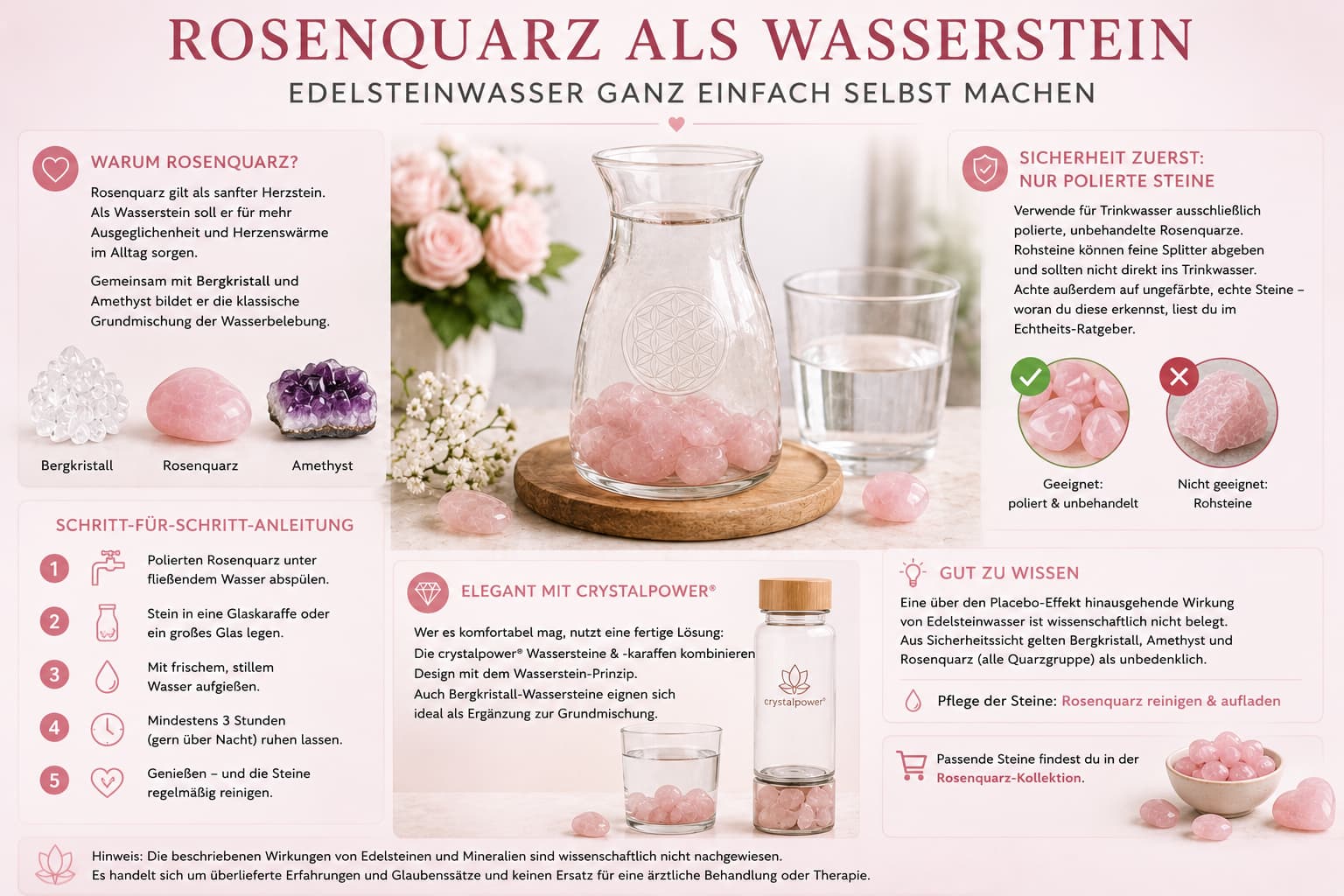
Can I use citrine in any shape as a water stone?
With a hardness of 7, citrine is water-stable – it does not dissolve. Polished shapes and tumblers are therefore basically suitable for making gemstone water. However, we always recommend the indirect method using a glass container as a safer alternative. Details can be found in our article

Written by Christian Neumayer

Leave a comment
This site is protected by hCaptcha and the hCaptcha Privacy Policy and Terms of Service apply.