








Under UV light, certain minerals like fluorite or calcite reveal a fascinating glow in vibrant colors – from strong blue to green and intense orange. This phenomenon, known as fluorescence, is caused by trace elements or crystal lattice defects that absorb short-wave UV light and re-emit it as visible light.











WE vs. other brands
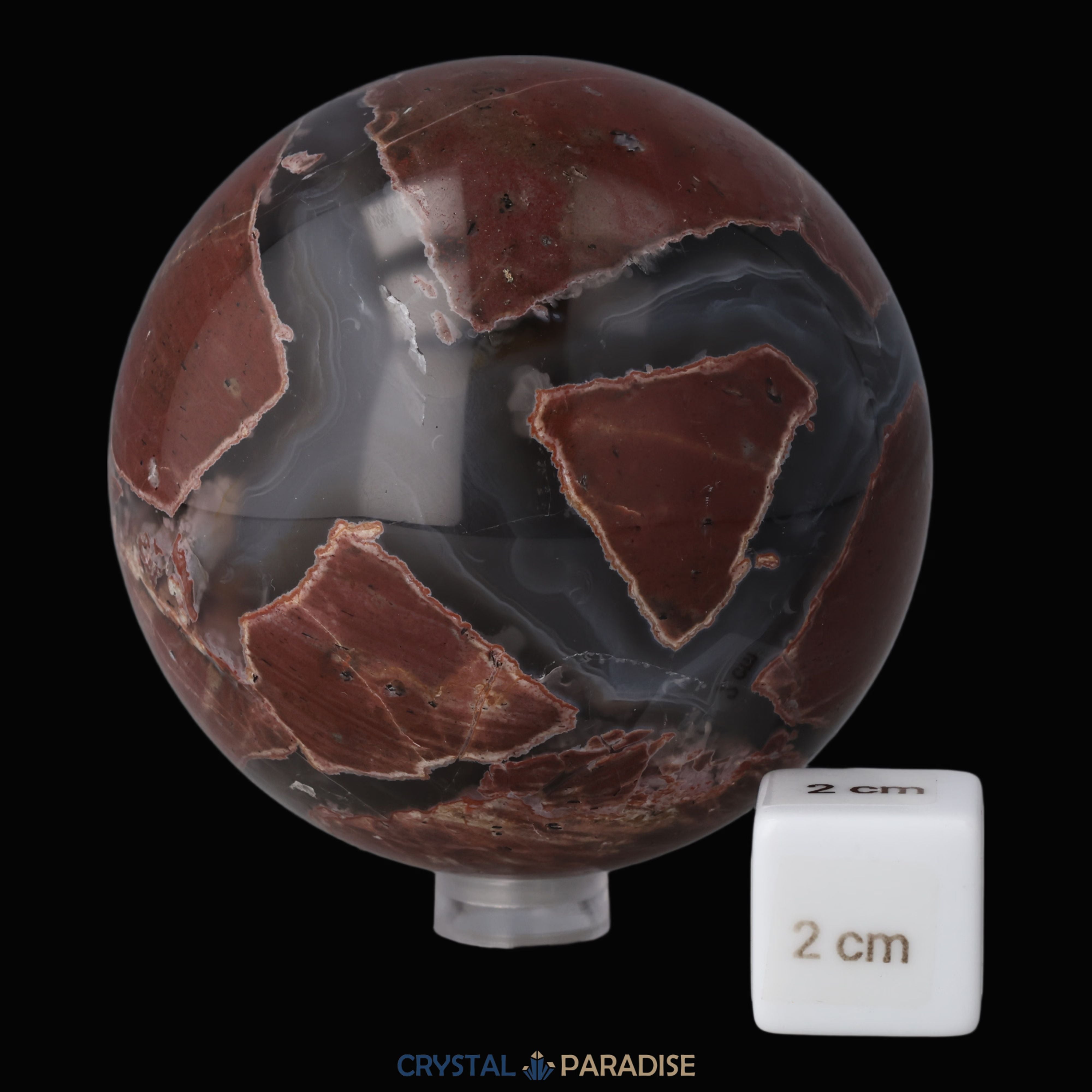
We focus on quality and sustainability at fair prices.
Crystal Paradise
Other Shops
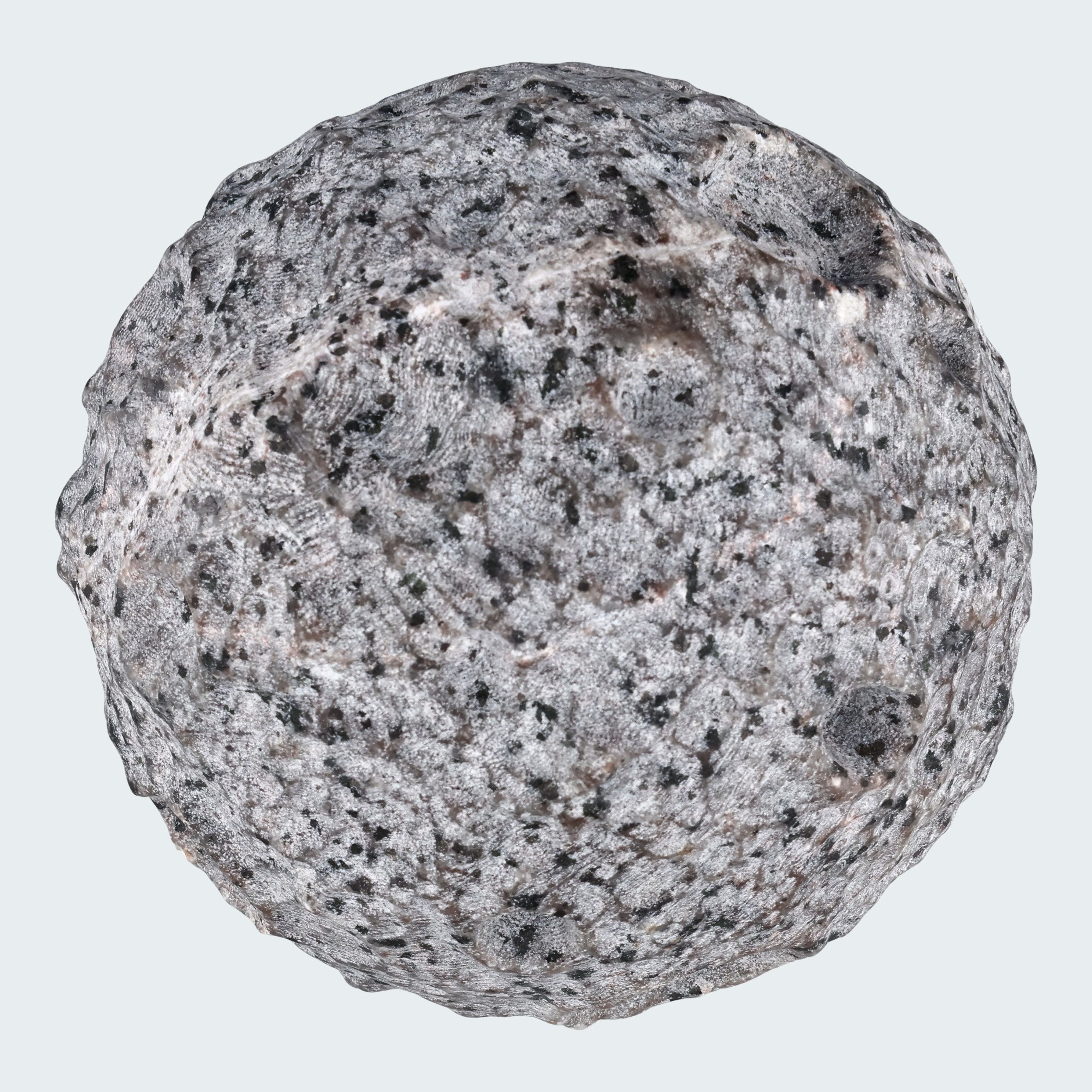
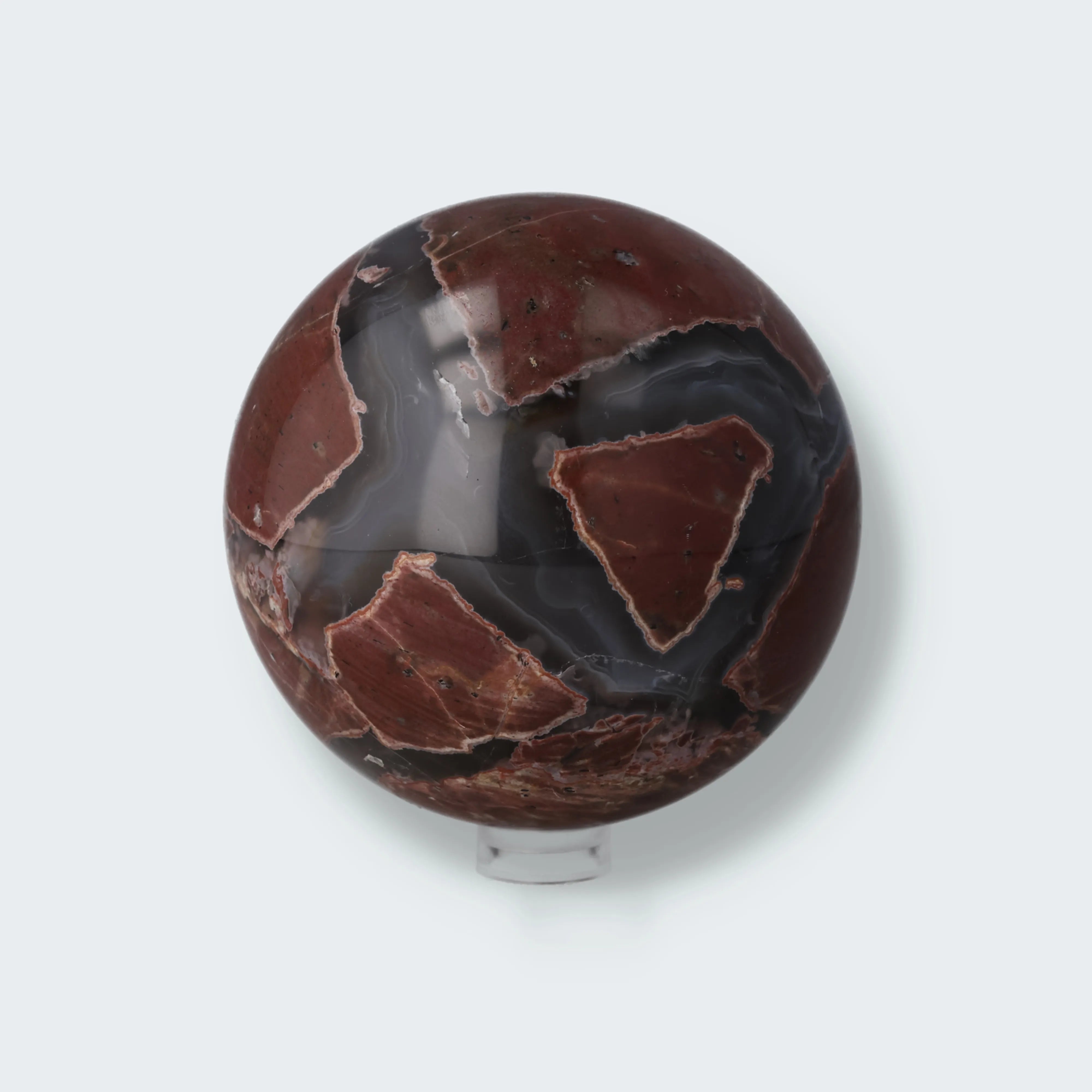
360° View
fair prices
Sustainable Packaging
No procurement via wholesalers
FAQs UV Minerals
The luminescence of UV-reactive minerals is caused by so-called fluorescence. In this process, certain atoms or molecules in the mineral absorb the energy of UV light and then re-emit it in the form of visible light. The chemical structure of the mineral determines the color of the luminescence.
Interestingly, there are two types of UV light: short-wave UV light (UVC) and long-wave UV light (UVA). Some minerals react only to one of the two wavelengths, while others can react to both.
If you want to start a collection, you should begin with some of the most well-known UV-reactive minerals:
- Fluorite: One of the most common fluorescent minerals with a wide range of colors.
- Calcite: Often displays vibrant colors such as red, orange, or yellow.
- Scheelite: Glows in an intense blue-white under UV light.
These minerals are not only aesthetically pleasing but also make for a great conversation starter with friends and family.
If you're looking for UV-reactive minerals, you've come to the right place at Crystal Paradise. We offer a carefully curated selection of fluorescent minerals that reveal their true beauty under UV light. Visit our online shop or our showroom in Feldkirchen to experience these fascinating stones in person!
UV-reactive minerals are more than just beautiful stones – they are a true natural wonder. Whether as a collector's item, decoration, or inspiration for jewelry – these fluorescent treasures captivate everyone. Discover the magic of UV-reactive minerals and make your collection glow!
Recently viewed
Buy UV Reactive Minerals – Luminous Natural Treasures for Collectors

If you want to buy UV reactive minerals, you’ll discover one of the most fascinating categories of mineralogy: rocks and minerals that glow in vibrant colors under ultraviolet light – from bright green to intense orange and deep blue. This phenomenon is called fluorescence and occurs when certain trace elements or structural properties in the mineral convert UV radiation into visible light. Crystal Paradise offers a carefully hand-picked selection of UV reactive minerals from all over the world – each piece a truly unique natural treasure.
What makes UV reactive minerals so special?

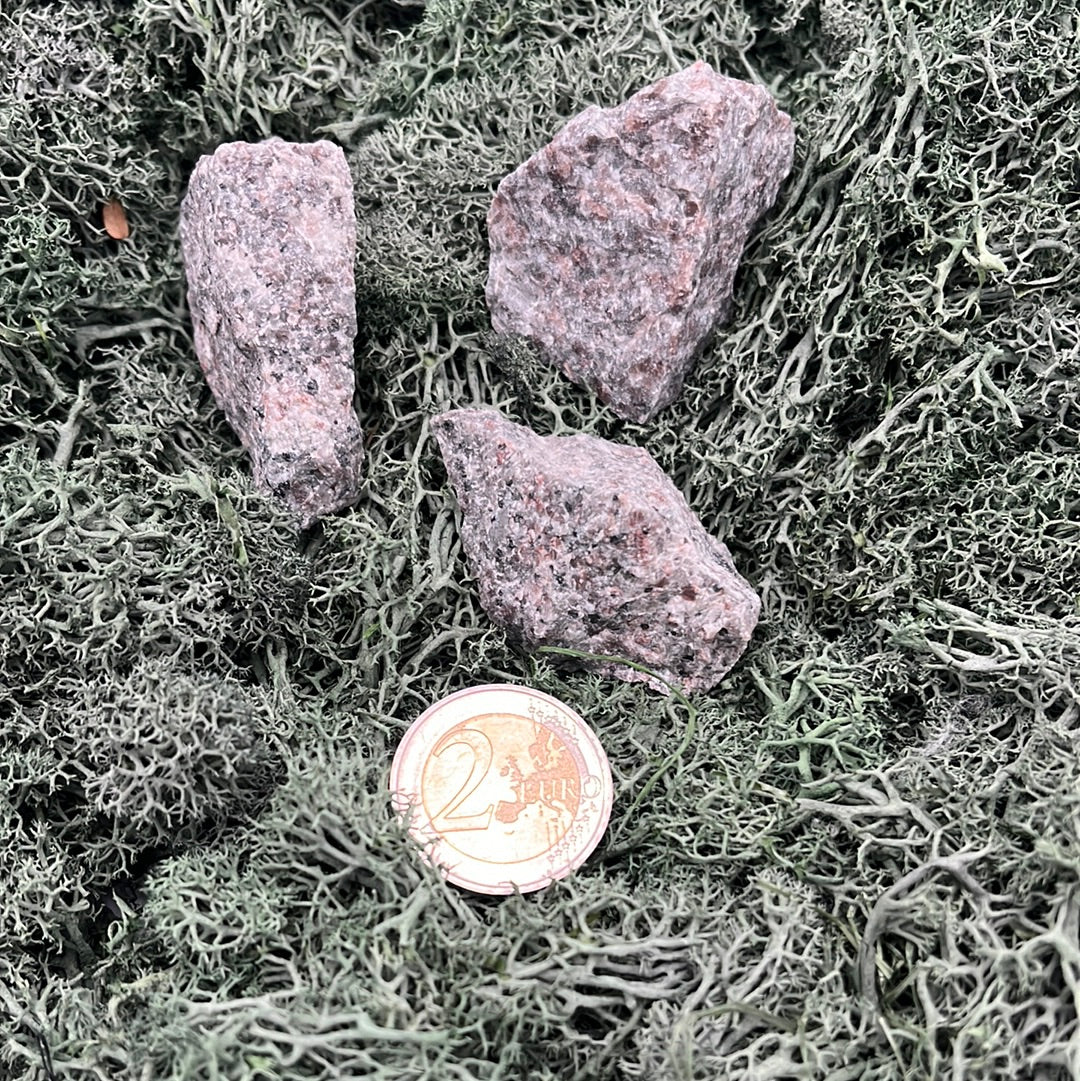
UV reactive minerals impress with their dual nature: In daylight, many specimens appear inconspicuous in subdued brown, grey, or beige tones – only under a UV lamp do they unfold their full, spectacular glow. This makes them sought-after collector's items, decorative objects, and special gift ideas. In our showroom in Feldkirchen near Munich, we can personally show you the luminosity of each stone – this way, we have developed a deep sense of quality and expressiveness for these minerals over the years.
Among the best-known UV fluorescent minerals are fluorescent mineral types such as Fluorite, Calcite, Wernerite, and Sodalite, which have been intensively researched in mineralogy for a long time.
Overview of typical UV reactive minerals
- Fluorite – often glows bright blue or violet under UV; found in China and the USA, among other places
- Calcite – shows intense orange or red tones; frequently from Mexico, Bulgaria, and Turkey
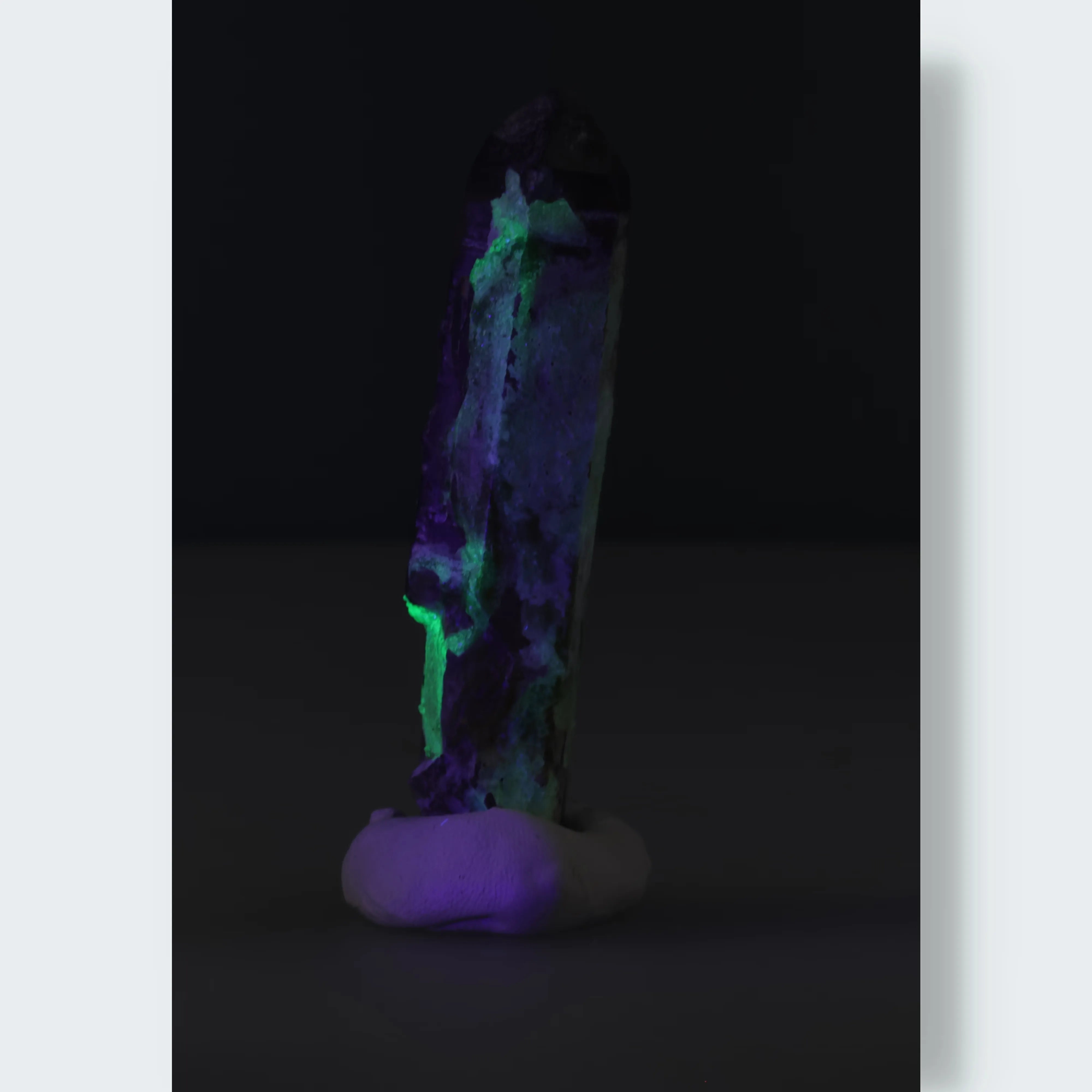
- Willemite & Franklinite – classic combination with bright green and red; primarily from the USA (New Jersey)
- Sodalite – fluoresces yellowish-orange; often from Afghanistan or Brazil
- Scheelite – bright blue-white light; found in China and Central Asia
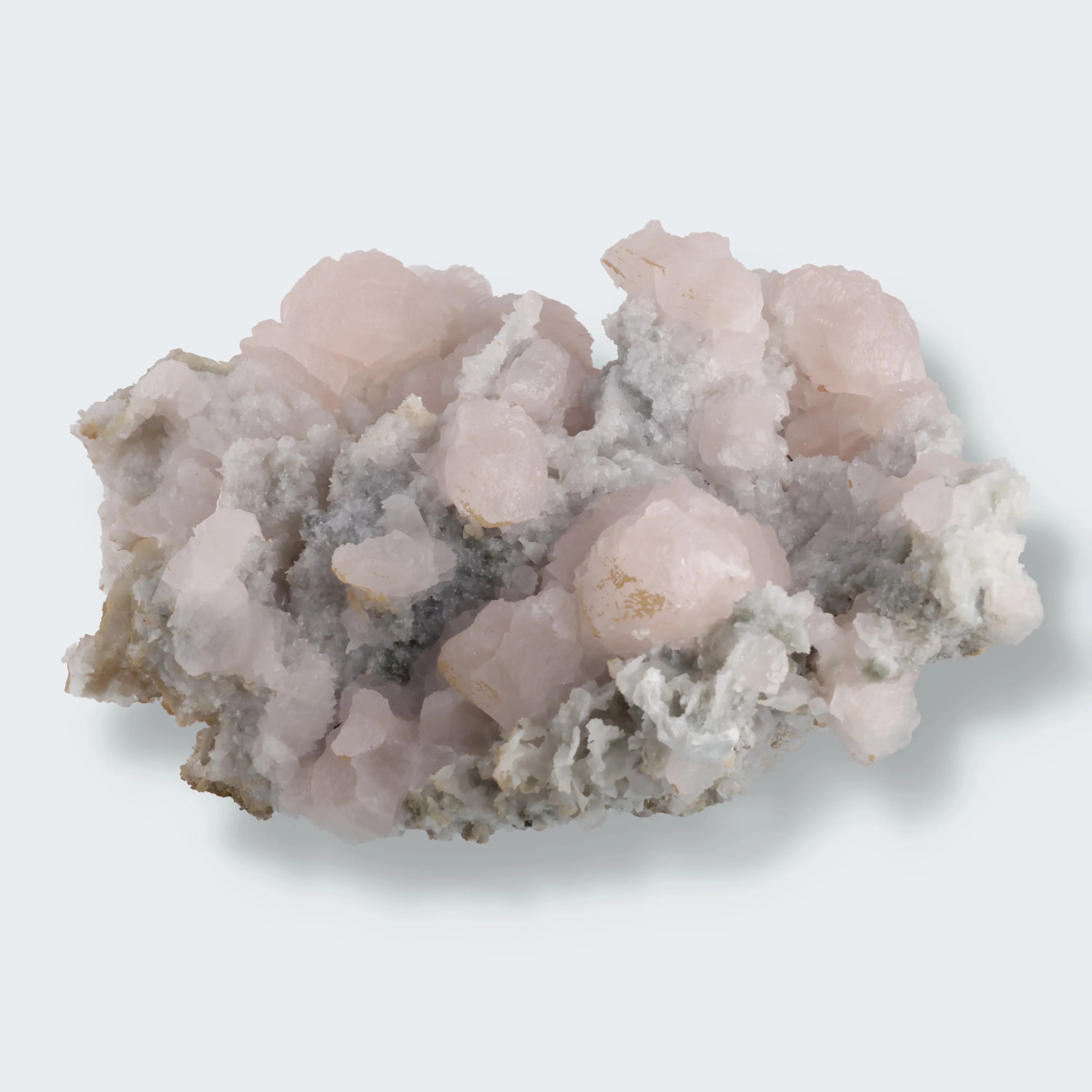
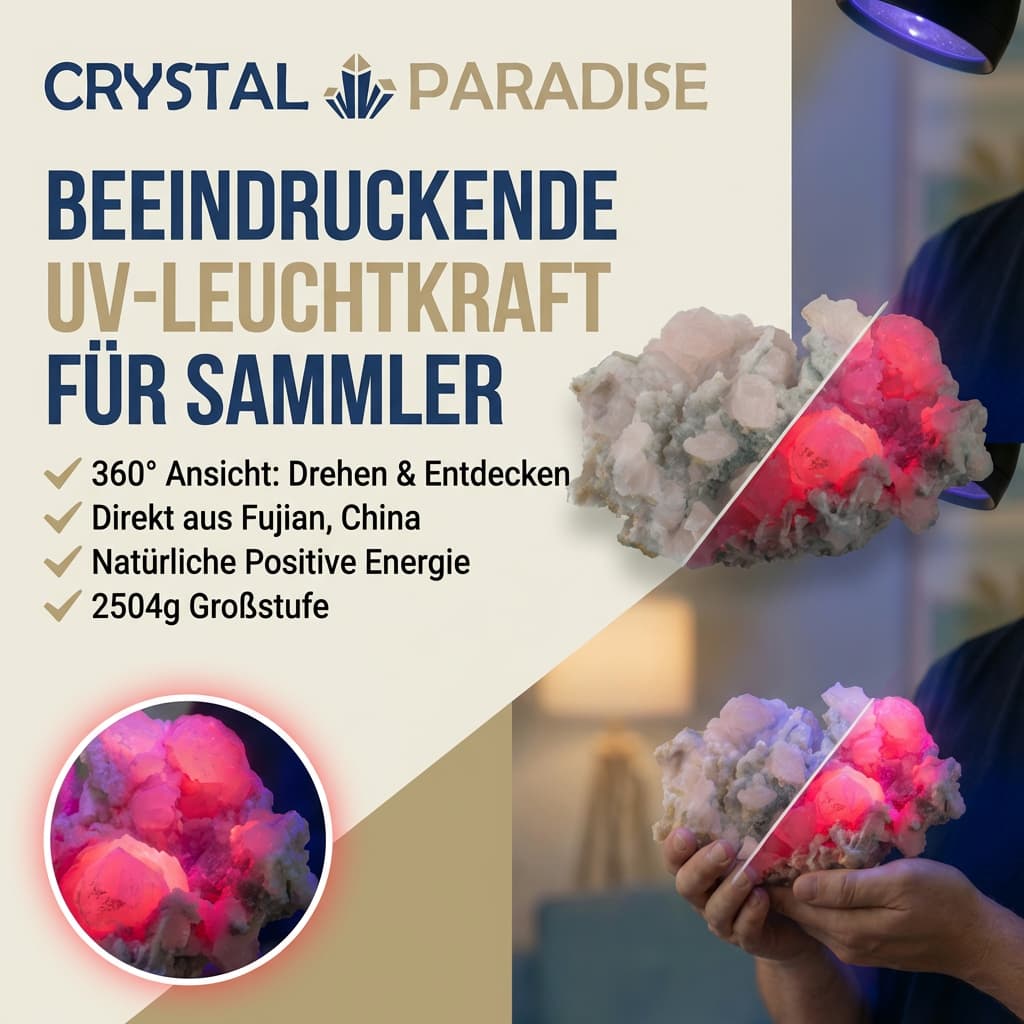
- Mangano Calcite – intense pink tones; popular with collectors and decoration enthusiasts
- Hyalite (Opal variety) – glows grass-green; rare specimens from Brazil and Mexico
Origin and Quality Characteristics – what we look for in selection
The intensity of fluorescence strongly depends on the locality and mineralogical composition. Pieces from classic collecting regions such as the USA, Brazil, China, or Bulgaria often stand out due to their particularly vibrant luminosity. At Crystal Paradise, you receive the documented locality for each piece – transparency regarding origin and authenticity is a matter of course for us. All minerals are untreated and natural, unless explicitly stated otherwise. You can learn more about the importance of locality information in our blog post Buying Minerals with Locality – What to Look For?
For collectors specifically seeking exceptional pieces, we also recommend our article The Magic of UV Minerals: Luminous Treasures of Nature, which delves deep into the world of fluorescence. In stone healing, Fluorite is considered a stone of clarity and order according to spiritual tradition – regardless, UV reactive minerals fascinate with their visual uniqueness.
Frequently Asked Questions

Why do UV reactive minerals glow under black light?
UV reactive minerals contain certain activators – usually trace elements such as manganese, uranium, or rare earths – which absorb UV radiation and re-emit it as visible light in various colors. This principle of fluorescence is a purely physical phenomenon and varies depending on the mineral type, locality, and chemical composition. If you want to know more about the scientific background, you can find a detailed explanation on our blog under The Magic of UV Minerals.
How do I recognize the quality of UV reactive minerals when buying online?
When buying, pay attention to informative product photos both in daylight and under UV light, the indication of the exact locality, and information about the mineral type and treatment. At Crystal Paradise, all pieces are hand-picked and checked for their luminosity in the showroom before sale. You can find more helpful tips in our guide Buying Mineral Collector's Items Online as well as in our article on Prices for Minerals and Gemstones.