







Labradorite: Effects, Meaning & Use
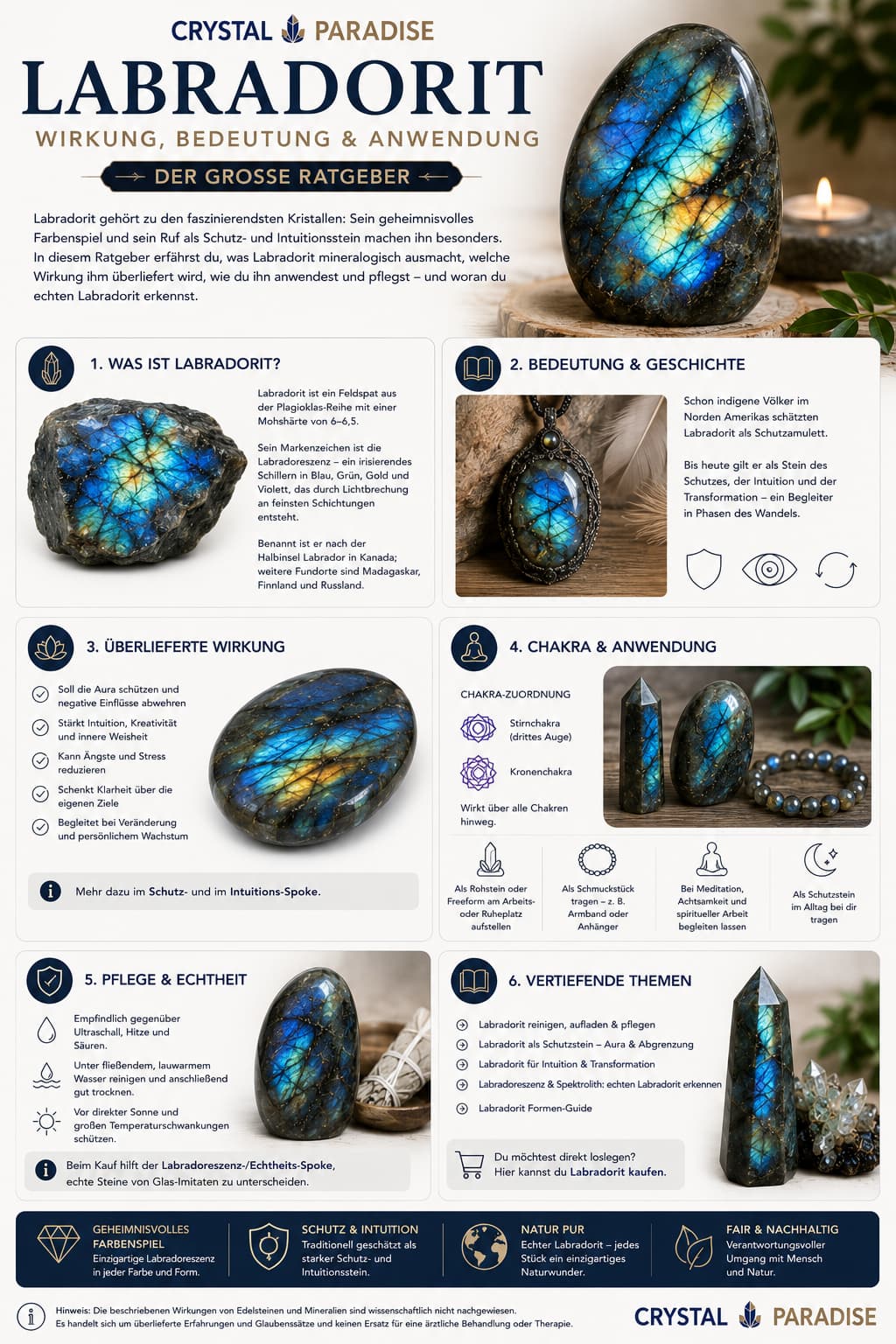
In short: Labradorite is a feldspar from the plagioclase group with a Mohs hardness of 6 to 6.5, known for its metallic, multicolored play of colors, called labradorescence. In crystal healing lore, it is traditionally regarded as a stone of intuition, transformation, and protection – a traditional attribution without scientific evidence. It is named after the Canadian peninsula of Labrador; it arrived in Europe around 1770.
Labradorite Healing Stone: Meaning, Effect, and Use at a Glance

The Labradorite healing stone is one of the most fascinating minerals in the world. It is a feldspar mineral with the chemical composition (Ca,Na)[Al(Al,Si)Si₂O₈] and has a hardness of 6 to 6.5 on the Mohs scale. Its best-known feature is the so-called labradorescence phenomenon: a magical-looking play of colors in blue, green, gold, and violet, created by light refraction in the fine layered structures of the stone. This phenomenon was first scientifically described in 1770 following finds on the Labrador peninsula in Canada – hence its name.
Origin and Mineralogical Classification
Labradorite originally comes from Canada, specifically from the Labrador peninsula in the province of Newfoundland. Today it is mined worldwide at numerous locations. The most important sources include:
- Finland – home to the high-quality variety Spectrolite, which shows particularly intense colors
- Madagascar – known for transparent, golden-shimmering specimens
- Norway and Russia – with classic blue labradorescent stones
- Mexico and the USA – other significant mining regions
Mineralogically, labradorite belongs to the plagioclase group within the feldspar family. Its calcium-sodium ratio lies between 50 and 70 percent anorthite. The mineral's melting point is around 1,550 °C. The stone forms in igneous and metamorphic rocks. It is one of the most common minerals in the Earth's crust, but in its aesthetic form as a gemstone and collector's stone, it is a true natural wonder.
In our showroom in Feldkirchen near Munich, we have held hundreds of labradorite specimens from various sources over the years. From our own experience, we can say: No labradorite is like another – that's what makes it a sought-after one-of-a-kind piece for collectors and enthusiasts alike.
Labradorite Healing Stone: Traditional Meaning and Spiritual Attributions
In crystal healing lore, labradorite is considered one of the most important protection and transformation stones. It is traditionally said to place a protective layer of energy around the aura. According to traditional lore, it is said to help shield against foreign energies and negative influences.
The Inuit peoples of Canada have revered labradorite for centuries. According to their legend, the Northern Lights were once trapped in the rocks – until a warrior freed them with his spear. The lights that remained became labradorite. This mythological tale underscores the deep cultural connection of this stone with light, change, and magic.
In crystal healing lore, labradorite is traditionally attributed with:
- Sharpening intuition and perception
- Traditionally regarded in crystal lore as a stone attributed with inner strength and self-confidence
- Stimulating creativity and imagination
- Supporting the release of old patterns
- Deepening the connection to inner wisdom
- Offering protection in energetically stressful situations
According to traditional lore, labradorite is especially suited for people going through phases of change. It is regarded as a companion during times of new beginnings. Compared to calmer stones like amethyst or rose quartz, it is considered in crystal lore to be more dynamic and energizing – at least according to many enthusiasts of this mineral.
Labradorite in Practice: Use and Wearing

As Jewelry and Talisman
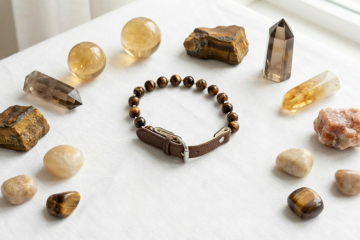
Labradorite is often worn as a pendant, ring, or bracelet. According to traditional lore, direct contact with the body is said to intensify its effect. As a gemstone, it is highly popular for its colorful shimmer. In our crystalpower® bracelet collection, you'll find high-quality bracelets with hand-selected healing stones – including labradorite combinations for everyday wear.
As a Decorative and Meditation Stone
Labradorite freeforms, spheres, and polished stones are excellent for interior decoration. In our showroom, visitors experience daily how a single large labradorite can transform an entire room. As a meditation stone, it is held in the hand or placed in front of the body. Many users specifically use it for meditations focused on intuition and inner clarity.
As a Collector's Item
For mineral collectors, labradorite is especially appealing due to its visual uniqueness. Raw pieces from Finland (Spectrolite) are among the most sought-after collector's items of all. Fine specimens can display color plays across the entire visible light spectrum – a spectacular natural phenomenon. You can find an overview of our most beautiful one-of-a-kind healing stones in our Bestselling Healing Stones.
Labradorite in History and Mythology

The Inuit of Labrador told stories of the Northern Lights once being trapped in the rocks of the peninsula. A brave warrior freed them with a thrust of his spear – but some of the lights remained in the stone. This legend poetically explains the shimmer of labradorite. Whether myth or metaphor: it shows how deeply rooted the fascination with this stone is in human experience.
In Europe, labradorite only became known toward the end of the 18th century, around 1770. Moravian missionaries brought the first pieces to Europe. It quickly became a sought-after gemstone. To this day, it remains one of the best-documented plagioclase varieties worldwide according to the international mineralogy database Mindat.
Care and Cleaning of Labradorite
With a hardness of 6 to 6.5, labradorite is a moderately hard stone. It deserves gentle care. You should keep the following points in mind:
- Cleaning: With lukewarm water and a soft cloth. Do not use harsh cleaning agents.
- Ultrasonic cleaner: Not recommended – labradorite may lose its polish.
- Storage: Store separately from harder stones to avoid scratches.
- Sunlight: Indirect light is ideal. Direct, intense sunlight over many hours can affect the color in the long term.
- Energetic cleansing: Traditionally, labradorite is cleansed with moonlight or incense.
Learn more about energetically cleansing your stones in our detailed guide: Cleansing Healing Stones – How to Properly Cleanse and Clear Crystals.
Labradorite and Related Stones
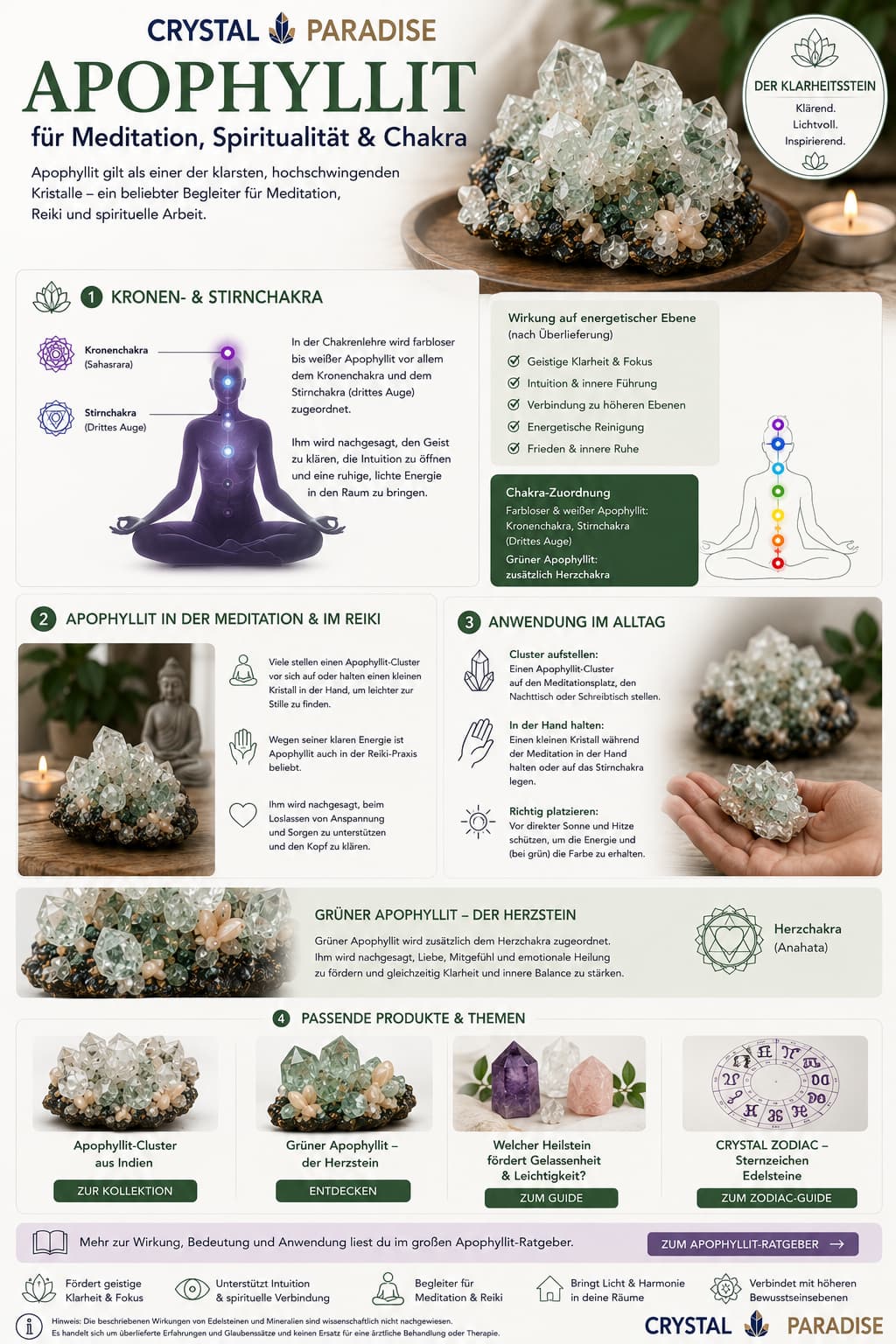
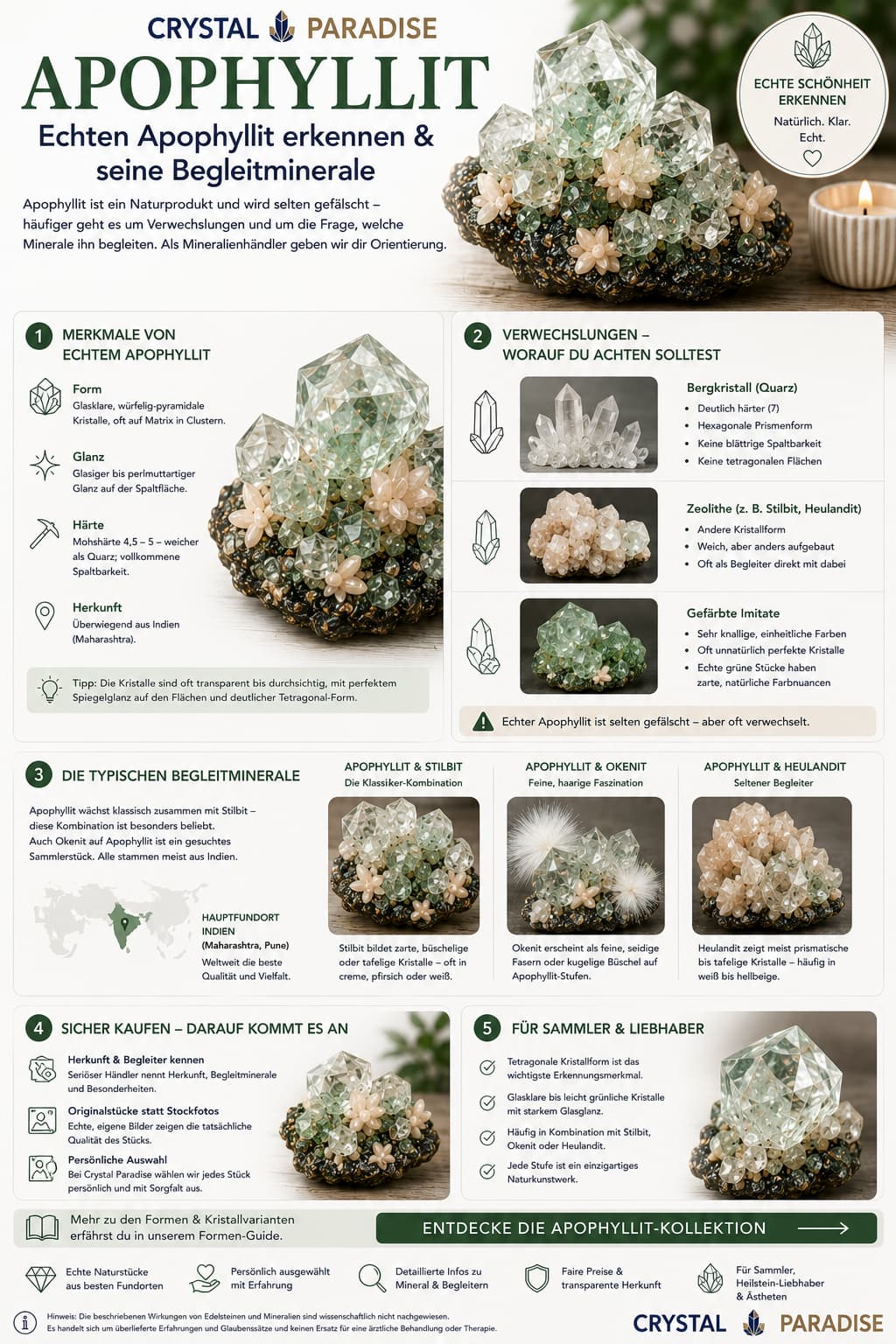
Those who appreciate labradorite are often also interested in other feldspar minerals or energetically similar stones. Notably similar is celestine, which is also attributed with a clarifying, intuitive energy. Apophyllite is also regarded in crystal healing lore as a stone of inner clarity and complements labradorite well.
External scientific information on the mineralogy of labradorite can be found at Mindat.org Mineralogical Database – the world's most comprehensive mineral database. Additional geological background is offered by the Mineralienatlas database, one of the most significant German-language mineral resources.
Frequently Asked Questions

What is labradorite and why does it shimmer so colorfully?
Labradorite is a feldspar mineral with a hardness of 6 to 6.5. Its colorful play of color – known as labradorescence – arises from the overlapping and refraction of light within ultra-thin layers inside the stone. This optical phenomenon was first scientifically documented in 1770. The colors range from blue and green to gold and violet – depending on the angle of light.
What effect is the labradorite healing stone traditionally attributed with?
In crystal healing lore, the labradorite healing stone is considered a protection, intuition, and transformation stone. It is traditionally said to sharpen perception, activate creative powers, and accompany inner change. These attributes are spiritual traditions and not scientific findings. According to traditional lore, labradorite is especially suited for phases of personal new beginnings.
How can I recognize genuine labradorite?
Genuine labradorite shows the characteristic labradorescence phenomenon: a deep, metallic shimmer when the stone is turned in the light. Glass imitations or dyed stones often show only a superficial glitter. High-quality specimens have a clear, richly colored shimmer that comes from deep within the stone. Our detailed guide Labradorescence & Spectrolite: Recognizing Genuine Labradorite will help you distinguish quality.
How do I properly care for and clean labradorite?
The best way to clean labradorite is with lukewarm water and a soft cloth. Do not use ultrasonic cleaners. Store it separately from harder minerals to avoid scratches. You should avoid direct sunlight for many hours. For energetic cleansing, many users recommend moonlight or incense smoke – according to spiritual tradition, not as a scientifically proven method.
Note: The effects mentioned are spiritual traditions without scientific evidence. Labradorite and other healing stones do not replace medical diagnosis or treatment.

Written by Christian Neumayer

Leave a comment
This site is protected by hCaptcha and the hCaptcha Privacy Policy and Terms of Service apply.