







Identifying genuine healing stones - here's how
How to Recognize Real Healing Stones – The Guide

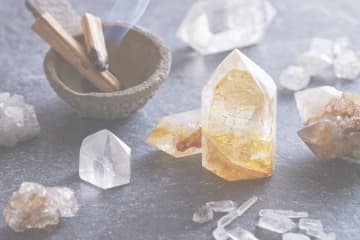
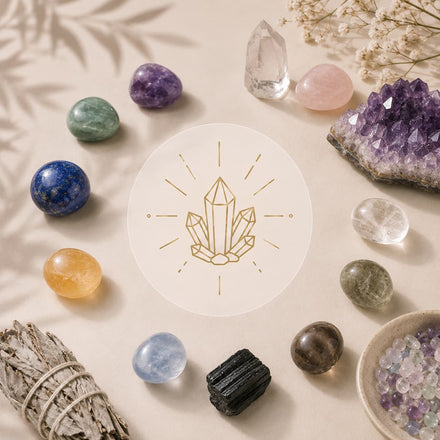
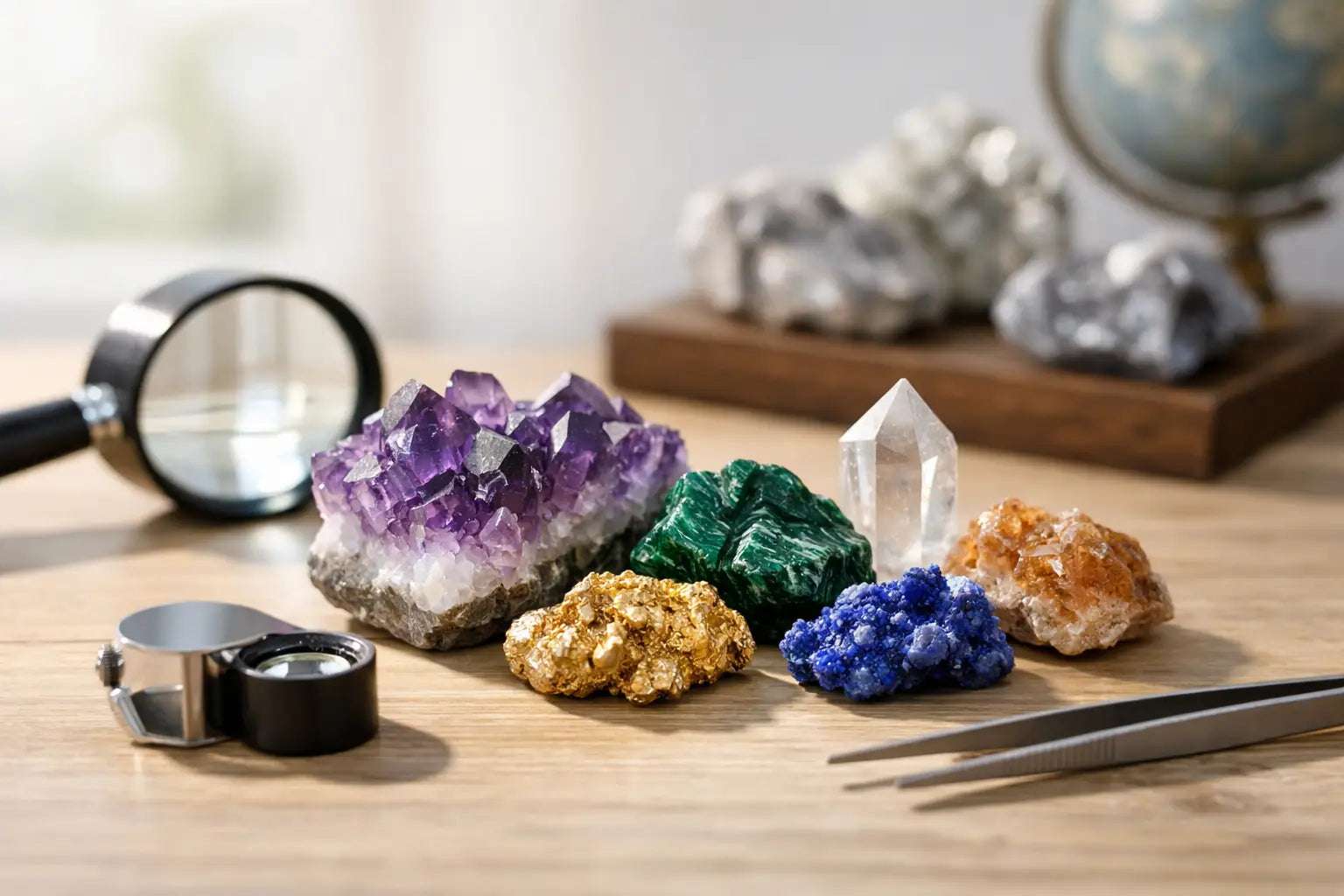
How to recognize real healing stones – here's how it works and what really matters when buying: A real healing stone is a naturally grown mineral with a clear geological origin, measurable physical properties, and unaltered structure. If you want to buy real healing stones, you should know how to tell quality from imitation. Dyed glass, synthetic crystals, and treated stones flood the market. In this article, we'll show you exactly what to look for – based on years of experience in the mineral trade.
Why the Healing Stone Market Is So Confusing
The trade in crystals and healing stones is booming. The supply is growing rapidly – unfortunately, so is the supply of fakes and inferior goods. Caution is especially advised online. Many buyers receive dyed howlite instead of turquoise or heated amethyst instead of real citrine.
According to estimates by mineral experts, up to 30% of the stones offered on major online platforms are either treated, dyed, or synthetically produced. That's a shocking number. That's why we at Crystal Paradise work exclusively with vetted suppliers and hand-select every stone ourselves – in our showroom in Feldkirchen near Munich, you can even pick up and compare stones in person.
The Most Common Fakes at a Glance
- Dyed howlite or magnesite as a turquoise imitation
- Heated amethyst sold as "natural citrine"
- Dyed agate in unnaturally bright colors (neon blue, hot pink)
- Synthetic glass as rock crystal or rose quartz
- Synthetic opal (e.g., Gilson opal) instead of natural stone
- Plastic coatings on minerals for artificial shine
- Reconstituted stones pressed from mineral dust and synthetic resin
The Most Important Authenticity Tests
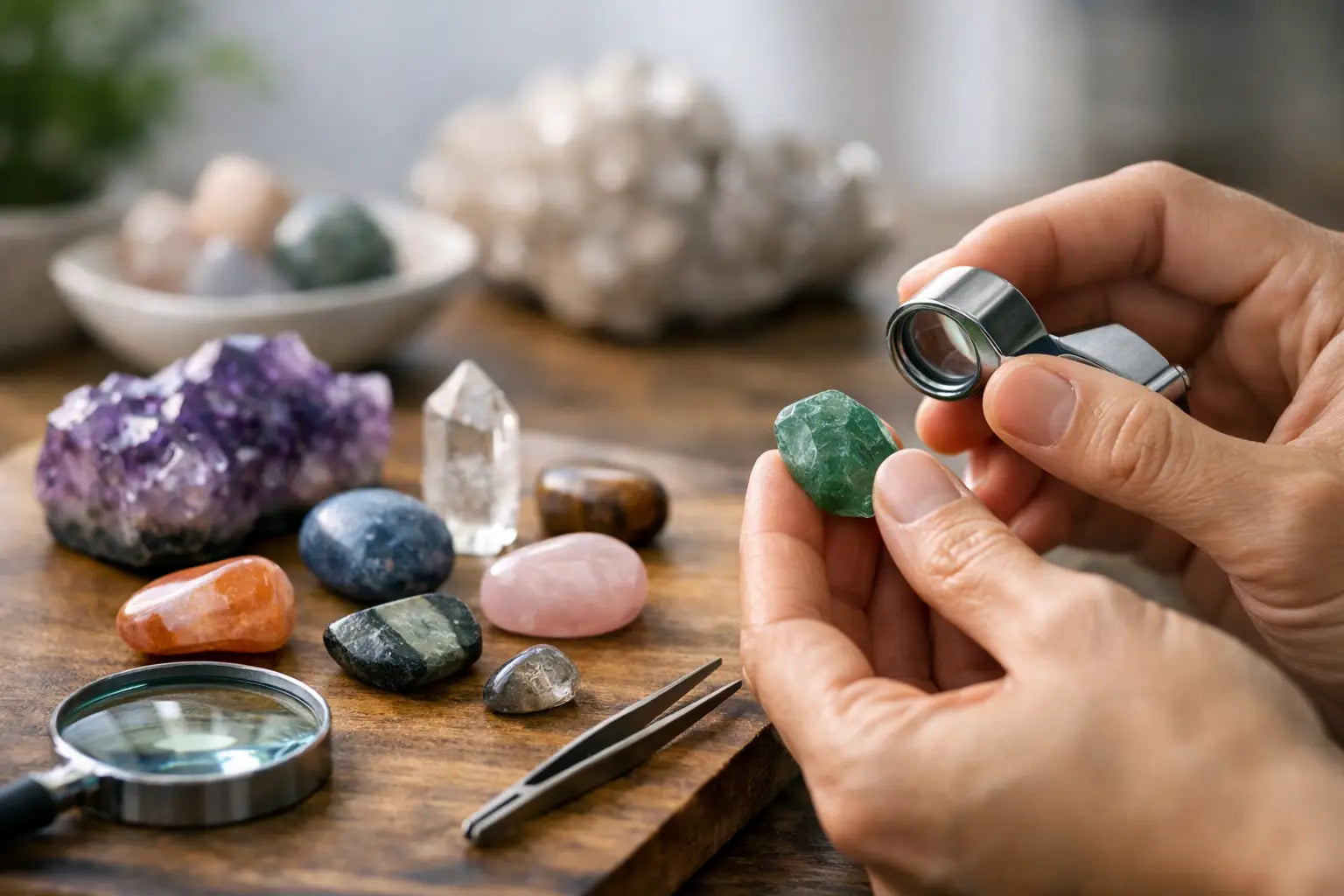
There are several reliable methods for recognizing real healing stones. You can perform some of them yourself at home. Others require expert knowledge or special equipment. From our own experience, we recommend always combining several tests before making a final judgment.
1. The Mohs Hardness Test
The Mohs hardness scale ranges from 1 (talc) to 10 (diamond). Every real mineral has a defined hardness. Quartz, for example, has a Mohs hardness of 7. This means it scratches ordinary window glass (hardness ~5.5) with ease. Rock crystal, amethyst, and rose quartz all belong to the quartz group.
Practical test: Try scratching the stone with a steel file (hardness ~6.5). Real amethyst resists. Dyed glass usually has a hardness of about 5 to 5.5 and gives way.
2. Temperature Test
A real crystal feels cool at first – even at room temperature. A real mineral conducts heat differently than glass or plastic. Hold the stone against your cheek for 10 seconds. Real rock crystal remains noticeably cooler than glass, which quickly warms to body temperature. This test is no guarantee, but a good initial indicator.
3. Inclusions and Growth Structures
Natural stones are rarely flawless. Real crystals often show:
- Natural inclusions (liquid inclusions, rutile needles, clouds)
- Growth zones with slight color variations
- Irregular crystal faces and natural fracture edges
- Microcracks or so-called "feather inclusions" inside
Perfect homogeneity is the exception in natural stones. Stones that are too perfect, without any inclusions, are often a warning sign.
4. UV Light and Fluorescence
Some minerals fluoresce in characteristic ways under UV light. Real calcite often glows orange or red. Real fluorite shows intense fluorescence in various colors – the term "fluorescence" is even derived from this mineral. Fake stones made of glass or plastic usually don't react, or react uncharacteristically, to UV light.
5. Specific Gravity
Real minerals have a characteristic specific gravity. Real labradorite (feldspar group) has a specific gravity of about 2.7 g/cm³. Real barite is around 4.5 g/cm³ – it's unusually heavy for its size. Anyone who regularly handles stones will, over time, develop a reliable feel for this.
Stone-Specific Identification Features: Three Popular Healing Stones Checked

How to Recognize Real Amethyst
Amethyst is purple quartz with a Mohs hardness of 7. The color is caused by iron ions and natural radiation over millions of years. Real amethyst often shows color zoning – the tips are more intensely purple, the base lighter or colorless. Too uniform, intense purple coloring suggests color treatment. Learn more in our detailed article: How to Recognize Real Amethyst.
How to Recognize Real Citrine
Real citrine is yellow quartz, originating mostly from Brazil, especially from the Minas Gerais region. It's rare – which is why it's frequently faked. The vast majority of material sold as "citrine" on the market is heated amethyst. Signs of fakes: reddish-orange burn marks at the base, overly uniform color, a white opaque base. Find everything about real citrine in our identification article.
How to Recognize Real Rose Quartz
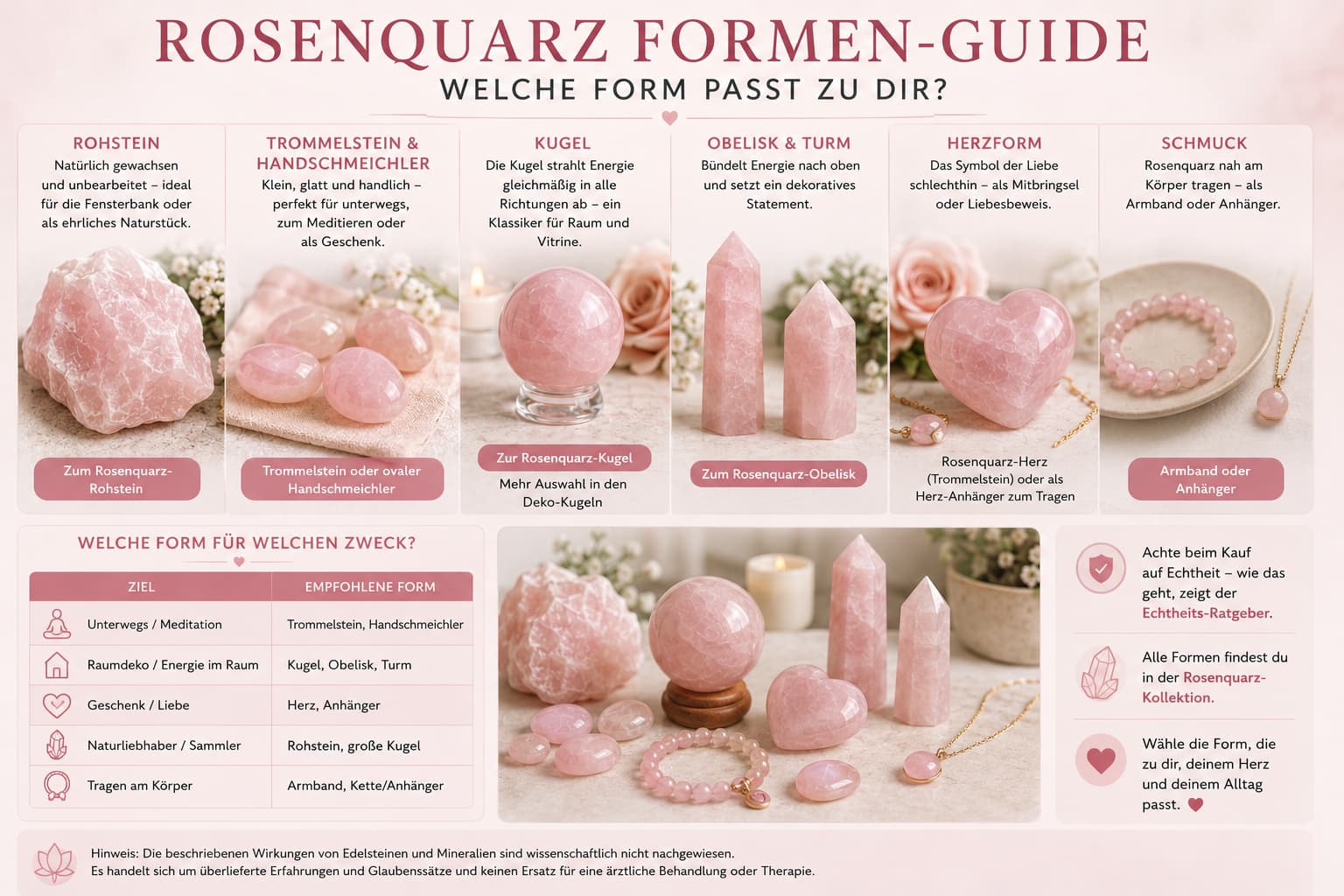
Rose quartz is massive, pink quartz without pronounced crystal forms. The color comes from microscopic fibers of dumortierite or rutile. Real rose quartz is slightly cloudy and milky – never crystal clear and uniformly pink. Fakes made of pink glass are often too transparent and too uniform. Our detailed guide to rose quartz will help you assess it.
What to Look For When Buying Real Healing Stones Online
From our own experience, we recommend buying healing stones only from dealers who communicate the following points transparently.
- Origin information: Where does the stone come from? Brazil, Madagascar, Namibia – it makes a difference.
- Treatment disclosure: Was the stone heated, irradiated, or dyed?
- Mineralogical designation: Not just "blue stone," but "labradorite, feldspar group, origin Finland."
- Real product photos: Not stock images, but photos of the actual piece.
- Return option: Reputable dealers offer free returns.
- Expert advice: Good dealers can competently answer mineralogical questions.
Crystal Paradise states the region of origin for every product and deliberately avoids treated stones without disclosure. We maintain long-standing relationships with suppliers in Brazil, Madagascar, and India – and know exactly where every stone comes from. Another point of reference is the international mineral database mindat.org, where you can find scientifically documented information on minerals, localities, and properties.
Buy Real Healing Stones at Crystal Paradise
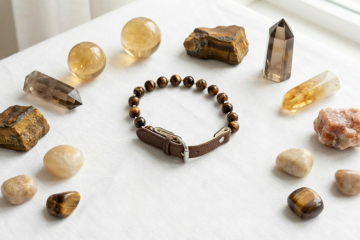
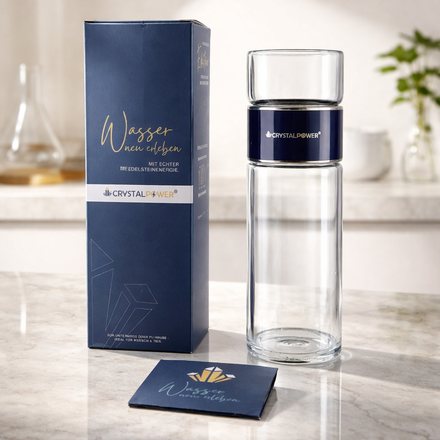
Anyone looking for vetted, real healing stones will find a curated selection with us. Browse our Bestseller Healing Stones – all hand-selected, all with origin information. If you value certified quality in a practical everyday form, discover our crystalpower® house brand, a thoughtfully designed product line with real stones – from water carafes to bracelets. For peaceful nights, there's our collection Healing Stones for Sleep, curated according to traditional lore.
Frequently Asked Questions

How can I recognize real healing stones at first glance?
Real healing stones show natural inclusions, color zoning, and slight irregularities. They feel cool at first and have the hardness typical for their mineral. Stones that are too perfect, without any flaws, are often synthetic or dyed. If in doubt, a simple hardness test with glass or steel can help.
Are all brightly colored healing stones fake?
Not all of them – but intense, unnaturally uniform neon colors are a warning sign. Real blue agate from Brazil is naturally gray-white and only colored afterward. Real azurite, on the other hand, has a deep, natural blue. Color intensity alone isn't enough – the overall impression, the dealer, and the origin information all matter.
Can I safely buy real healing stones online?
Yes – if you choose transparent dealers. Look for detailed origin information, honest treatment disclosures, mineralogically correct names, and a return option. Crystal Paradise offers free returns, authenticity checks by experts, and personal advice. Alternatively, you can visit our showroom in Feldkirchen near Munich and handle the stones yourself.
What's the difference between a healing stone and a gemstone?
The term "healing stone" refers to the spiritual or folk-medicine tradition surrounding a stone. "Gemstone" is a quality designation from gemology for particularly valuable, hard, and transparent minerals. Many healing stones – for example amethyst, citrine, or rose quartz – are also gemstones. Other healing stones, such as selenite (Mohs hardness 2) or howlite, are not considered gemstones mineralogically.
How do I properly care for real healing stones?
Real minerals react differently to water, light, and heat. Selenite dissolves in water – never soak it. Amethyst loses its color with prolonged sun exposure. Rose quartz, on the other hand, can be briefly cleaned under lukewarm water. For detailed care instructions, we recommend our collection Cleaning Healing Stones – How to Cleanse and Clear Crystals Properly
Note: The effects mentioned are spiritual traditions without scientific evidence. They do not replace medical advice or treatment.

Leave a comment
This site is protected by hCaptcha and the hCaptcha Privacy Policy and Terms of Service apply.