







Why the Meaning of Gemstone Water Can Change Your Drinking Ritual
The Meaning of Gemstone Water: What Is Behind the Drinking Ritual?

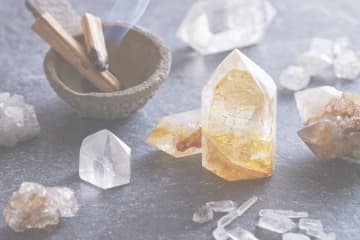
Gemstone water meaning describes the concept of energetically altering drinking water through the proximity or contact with gemstones and minerals. The basic idea: stones are said to transfer their subtle properties to the water. This ritual combines ancient traditions with modern mindfulness awareness. It is less about chemistry and more about intention, symbolism, and conscious drinking. Anyone who prepares gemstone water daily creates a small ritual for themselves – and a deeper connection to nature.
At our shop at Crystal Paradise, we have observed for years how interest in water stones and gemstone carafes keeps growing steadily. More and more people are looking for meaningful, mindful everyday rituals. Gemstone water offers exactly that: a conscious moment that structures and enriches the day.
The History Behind the Meaning of Gemstone Water
The idea of combining water with stones is not new. Already in antiquity, healers used gemstones in connection with water. In Ayurvedic texts, which are over 3,000 years old, there are references to stone-energized water. Also in European folk medicine of the Middle Ages, certain minerals were attributed special properties when they came into contact with water.
In the 16th century, the physician Paracelsus described the interaction between stones and liquids as part of his natural philosophy. Today, the concept is experiencing a renaissance. It combines with mindfulness practices, wellness trends, and the desire for more naturalness in everyday life.
Traditional Attributions – a Cultural Overview
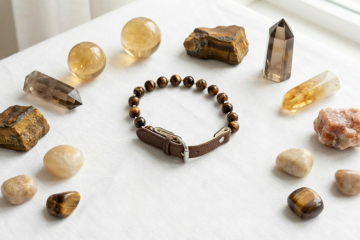
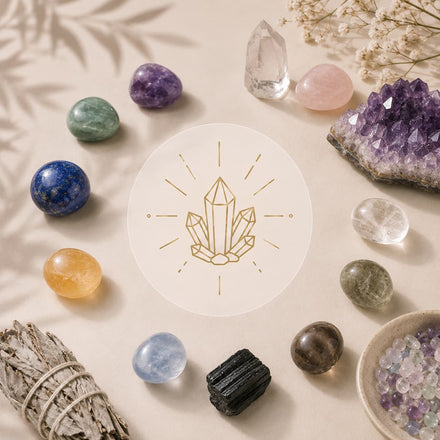
In traditional crystal healing, various gemstones are attributed different energetic qualities. These traditions mostly stem from Far Eastern, South American, or European folk medicine. They are not medical claims, but part of a cultural heritage that has been passed down for centuries.
- Amethyst (Mohs hardness 7) – traditionally associated with clarity, inner peace, and intuition. A classic water stone. Learn more in our article Amethyst as a Water Stone & Gemstone Water.
- Rose Quartz – in crystal healing, it is considered a stone of heart energy and gentle harmony. Ideal for mindful morning rituals. Read more in our article Rose Quartz as a Water Stone & Gemstone Water.
- Citrine – according to tradition, it is said to promote joy of life and energy. A bright yellow quartz with a Mohs hardness of 7. More information can be found in the article Citrine as a Water Stone & Gemstone Water.
- Rock Crystal – traditionally regarded as a universal amplifier and clear companion.
- Aquamarine – associated with clarity, communication, and quiet strength.
How Does Gemstone Water Work in Practice?
There are two basic methods for preparing gemstone water. The choice depends on the stone and its water compatibility.
Direct Method
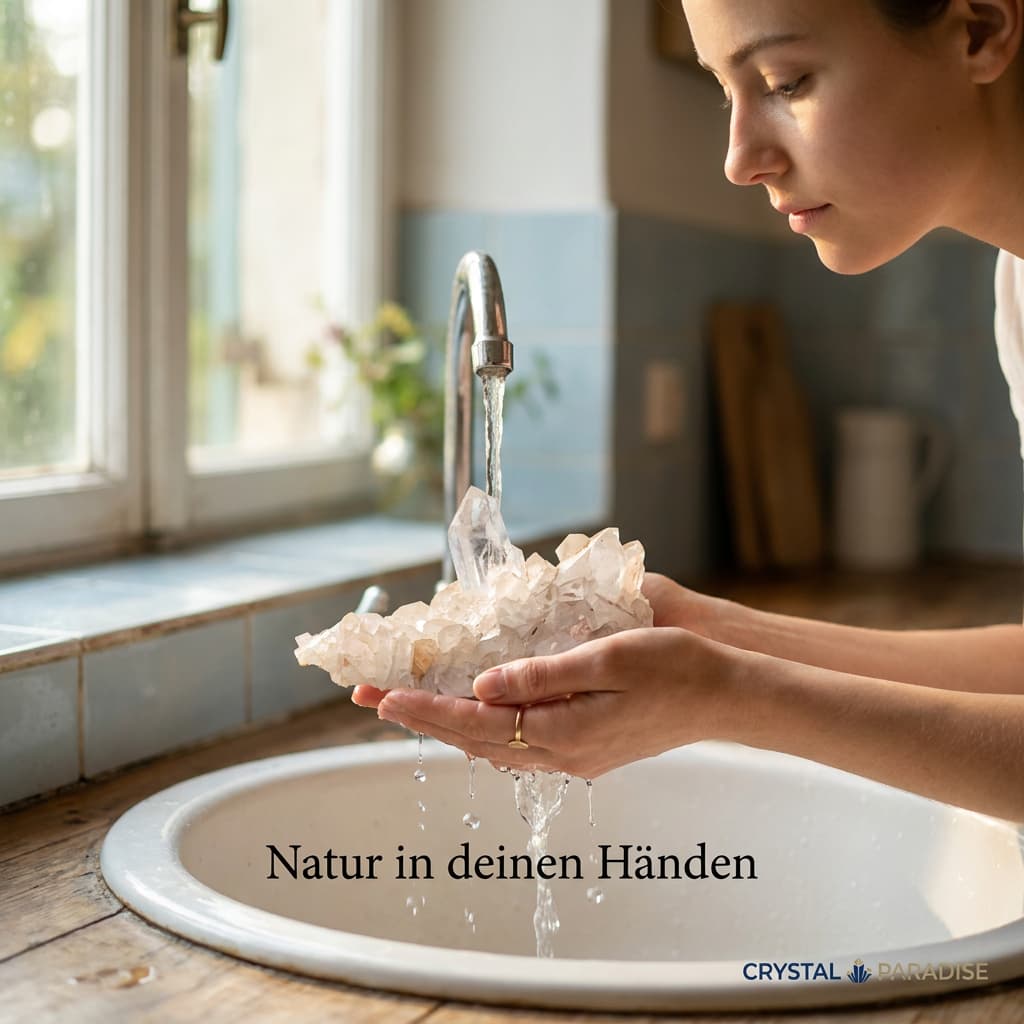
Water-safe stones such as amethyst, rose quartz, or rock crystal can be placed directly in the water. The stones should be cleaned beforehand – for example under running water for at least 2 minutes. Then they are placed in a clean glass vessel and filled with fresh spring water. After 4 to 8 hours of exposure time, the water is traditionally considered energized.
Indirect Method
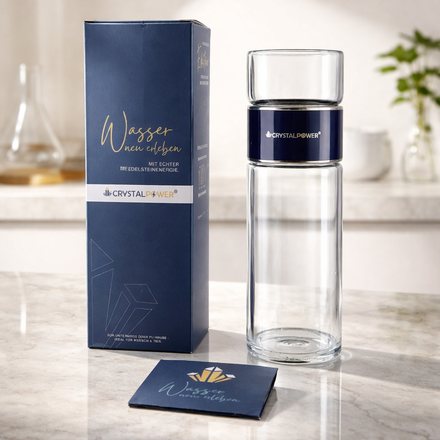
Not all stones are water-safe. Some contain substances that can dissolve in water. Pyrite, malachite, or turquoise, for example, should never be placed directly in drinking water. Here, the indirect method is recommended: the stone is placed in a sealed glass tube in the water. In this way, according to tradition, it transfers its energy without direct contact with the water.
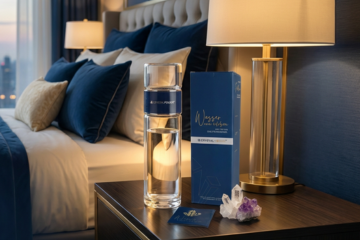
Our in-house brand CRYSTALPOWER® offers high-quality water stone carafes and drinking bottles specifically for this purpose. The stones are safely housed in a separate glass insert. This is both practical and safe.
Which Stones Are Best Suited – and Why?

Not every stone is suitable for gemstone water. The following criteria are decisive:
- Mohs hardness at least 6 – stones with lower hardness can dissolve or release substances into the water.
- No water-soluble ingredients – stones like halite (rock salt) are water-soluble and unsuitable.
- No toxic minerals – malachite contains copper, realgar contains arsenic. Both are absolutely unsuitable for drinking water.
- Prefer untreated, natural stones – dyed or impregnated stones can release unknown substances.
In our showroom in Feldkirchen near Munich, we are happy to advise you personally. We show you which stones are truly water-safe and which combinations are considered particularly valuable in tradition. From years of experience, we know: the quality of the stone makes the decisive difference.
Particularly Popular Water Stones at a Glance
Amethyst from Uruguay is one of our most sought-after water stones. The deep violet crystals come from the famous geode cavities of Uruguay. They have a Mohs hardness of 7 and are chemically stable in water. Discover our agatized amethysts from Uruguay – a highlight for collectors and water stone fans.
Aquamarine is also one of the classic water stones. Our current offer includes beautiful pieces from Pakistan. Aquamarine is a variety of the mineral beryl with a Mohs hardness of 7.5 to 8. Find our aquamarines from Pakistan here.
Consciously Shaping the Drinking Ritual – Practical Tips
Gemstone water unfolds its symbolic effect above all when the preparation is understood as a conscious ritual. Here's a simple way to start:
- Morning ritual: Prepare your gemstone water in the evening. Let it steep overnight – at least 6 to 8 hours.
- Set an intention: Formulate a conscious thought or wish when placing the stone.
- Quality of the water: Use still spring water or filtered tap water. No carbonated beverages.
- Clean the stone regularly: Rinse your stone every 1 to 2 weeks under clear, lukewarm water. Also find out about charging your healing stones.
- Use glass vessels: Plastic containers are unsuitable. Glass is taste-neutral and energetically neutral.
Combining Gemstone Water and Mindfulness
The special thing about this ritual is not the stone alone. It lies in pausing. Anyone who consciously pours themselves a glass of gemstone water in the morning takes a moment for themselves. This moment is often more valuable than any outward effect. Rituals create structure. They remind us of what matters to us.
For further inspiration, we recommend our blog article Experiencing Water Anew – How Gemstone Water Consciously Changes Your Everyday Life.
Gemstone Water and Science – What Does Research Say?
From a scientific point of view, there is no recognized evidence that gemstones chemically or physically change water. The Federal Institute for Risk Assessment (BfR) has not issued any scientifically proven statements of effect regarding gemstone water. Water is a simple molecule – H₂O. Its chemical composition is not changed by the mere presence of a stone.
What scientists do confirm: rituals, mindfulness, and conscious drinking can positively influence subjective well-being. A study by Heidelberg University showed that consciously lived everyday rituals can influence subjective well-being. In this sense, gemstone water has a real value – as a mindful ritual, not as medicine.
Frequently Asked Questions

What Is the Meaning of Gemstone Water on a Spiritual Level?
In traditional crystal healing, it is assumed that crystals possess a subtle vibration. According to tradition, this is said to transfer to the water when stone and water are in contact for several hours. Drinking this water is considered a symbolic absorption of this energy. This is a spiritual tradition, not a scientific fact.
Which Stones Are Best Suited for Gemstone Water?
For the direct method, stones with a Mohs hardness above 6 and without toxic ingredients are especially suitable. Amethyst (hardness 7), rose quartz (hardness 7), rock crystal (hardness 7), and citrine (hardness 7) are classic water stones. Aquamarine (hardness 7.5–8) is also suitable. For more sensitive stones, the indirect method with a CRYSTALPOWER® carafe is recommended.
How Long Should Gemstone Water Steep?
Tradition recommends an exposure time of at least 4 hours. Many users let the water sit overnight – i.e. 6 to 8 hours. For the indirect method, the time can be extended up to 12 hours, since the contact does not take place directly.
Can I Drink Gemstone Water Daily?
Yes, provided you use water-safe, clean stones and store the water in hygienic glass vessels. Change the water fresh daily and clean your stones regularly. When using our CRYSTALPOWER® products, stones and water are separated anyway – this increases safety even further.
Where Can I Buy High-Quality Water Stones?
Crystal Paradise offers hand-selected water stones and certified CRYSTALPOWER® carafes in the online shop as well as in the showroom in Feldkirchen near Munich. All stones are carefully checked for authenticity and suitability. Anyone still at the beginning will find an ideal starting point in our section Minerals for Beginners.

Written by Christian Neumayer


Leave a comment
This site is protected by hCaptcha and the hCaptcha Privacy Policy and Terms of Service apply.