







WIR vs anderer Marken
Wir setzen auf Qualität und Nachhaltigkeit zu fairen Preisen.
crystal paradise
Andere Shops
360° Ansicht
faire Preise
Nachhaltige Verpackung
Keine Beschaffung über Grosshändler
Zuletzt angesehen
Sinhalite – the rare collector's treasure from Sri Lanka
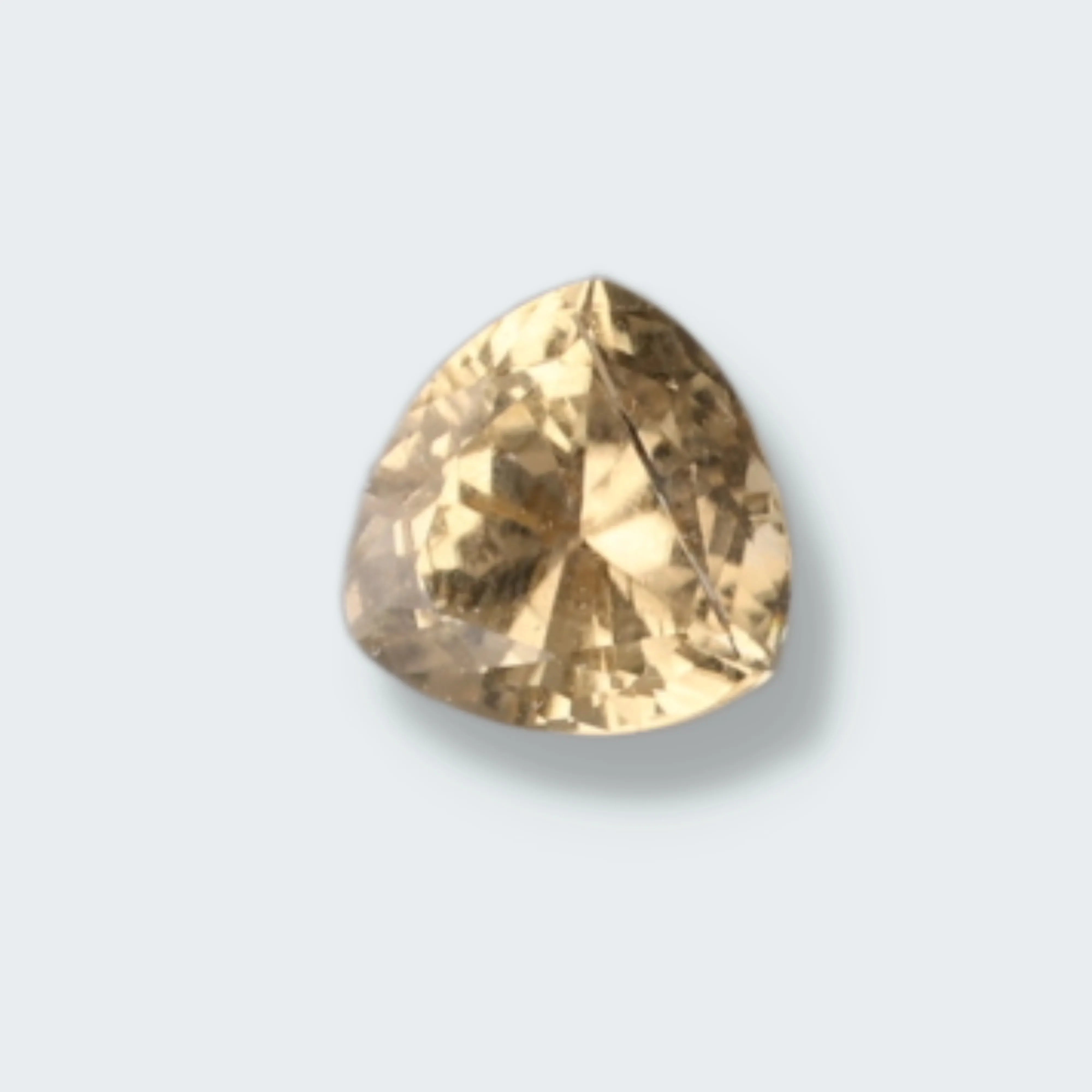
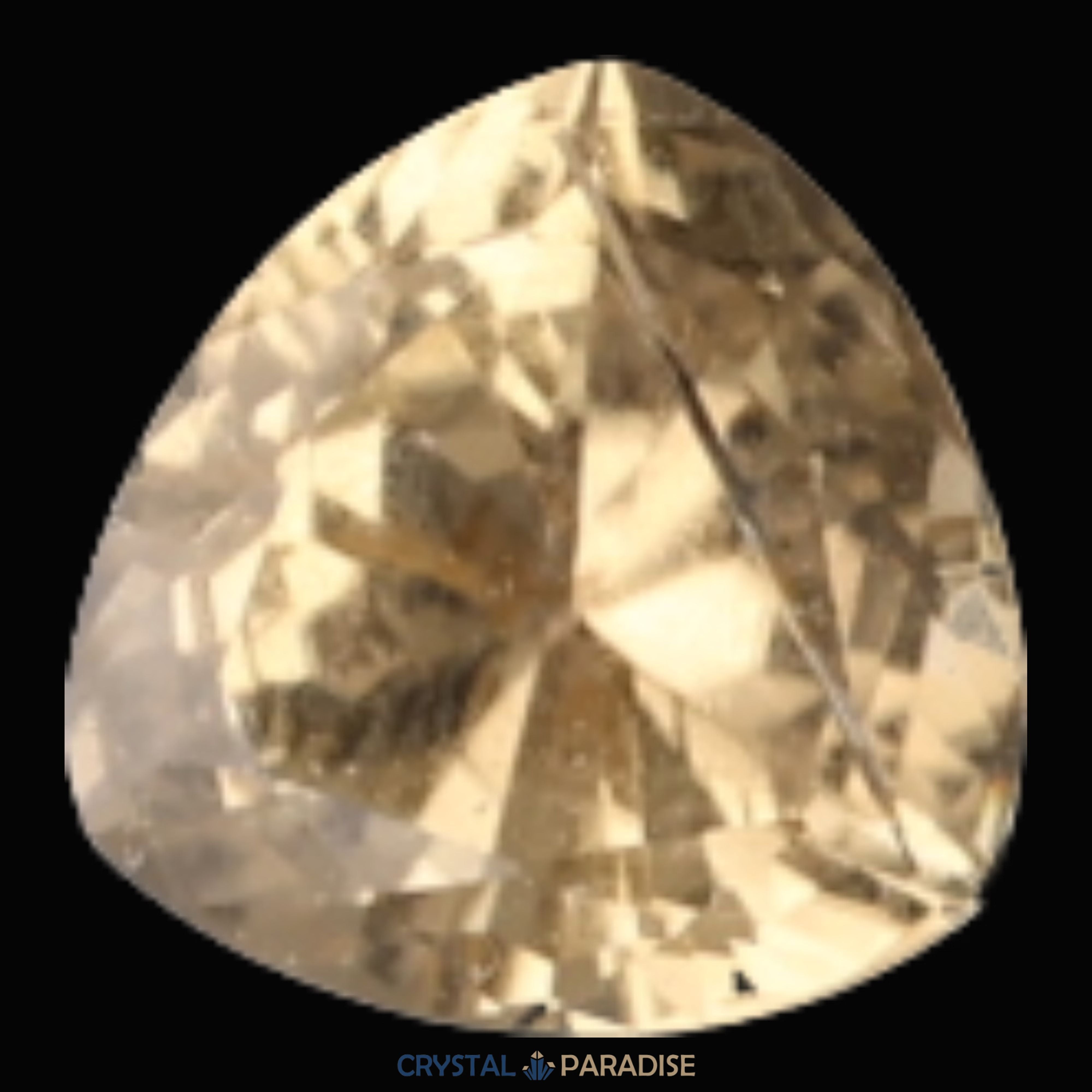
Sinhalite is an exceptionally rare phosphate mineral that ranks among the most sought-after rarities among mineral collectors and gemstone enthusiasts. It was only officially recognized as a distinct mineral species in 1952 and takes its name from the Sanskrit word "Sinhala" – the historical name for Sri Lanka, the most important locality for this fascinating stone. Sinhalite crystallizes in the orthorhombic system and captivates with its characteristic yellowish to yellow-brown or greenish-brown hue with a vivid glassy luster.
At Crystal Paradise, we place the greatest value on hand-selected, one-of-a-kind natural pieces: every item in our collection is personally inspected and curated with the trained eye of our years of mineral expertise from our showroom in Feldkirchen near Munich as well as at international mineral fairs.
What makes sinhalite so special?
Sinhalite was long confused with the similar-looking chrysoberyl, before mineralogical analyses confirmed its distinct composition of magnesium-aluminum-boron-phosphate. This history of discovery makes it not only mineralogically interesting, but also a true conversation piece in any collection. Transparent specimens with good color and clarity are occasionally faceted as gemstones – an extremely rare sight, especially prized among collectors.
- Mineral class: Phosphates (borophosphate)
- Color: Yellow-brown, greenish-brown to honey yellow
- Luster: Glassy to resinous luster
- Main locality: Sri Lanka (formerly Ceylon), occasionally also Myanmar
- Rarity: Extremely rare – sought-after collector's mineral
- Special feature: Long confused with chrysoberyl, only described as its own species in 1952
- Forms: Rough crystals, gravel, rare faceted cuts
Buy sinhalite – origin, quality, and collector's value
When buying sinhalite, origin and authenticity come first. The most important and highest-quality pieces come from the alluvial placer deposits of Sri Lanka – a region that has been regarded for centuries as one of the richest gemstone and mineral sources in the world. Additional, rarer occurrences are known from Myanmar. Since sinhalite can easily be confused with other brown to yellowish stones, expert documentation of origin from a reputable dealer is essential.
In lithotherapy, sinhalite is regarded according to spiritual tradition as a stone of inner clarity and focus, to which a balancing, grounding effect on the mind is attributed. It is traditionally said to help order one's thoughts and sharpen the view for what truly matters – in keeping with a mindful way of life.
For comparable rare and similarly colored minerals, we recommend taking a look at our Apatite collection as well as the similarly colored Aquamarine. Anyone fascinated by the world of transparent and rare crystals will find further captivating rarities in our Apophyllite collection. Our Apophyllite Forms Guide offers a deeper insight into the world of extraordinary mineral forms. In addition, it's worth taking a look at our blog post on identifying genuine apophyllite & accompanying minerals, which shows what connoisseurs pay attention to with rare minerals.
More mineralogical background on sinhalite can also be found on Wikipedia – Sinhalite.
What should you look out for when buying?
Sinhalite is not a mass product – genuine specimens are rare and correspondingly valuable. When buying, pay attention to the following points:
- Clear statement of origin (preferably Sri Lanka or Myanmar)
- Transparent product description with weight, size, and locality
- Purchase from an experienced dealer specialized in minerals
- No confusion with less expensive chrysoberyl or topaz pieces
- For collector's pieces: a gemological certificate is recommended
Frequently asked questions
What is sinhalite and where does it occur?
Sinhalite is a rare borophosphate mineral from the phosphate class, which was only classified as a distinct mineral species in 1952. The most significant deposits are located in Sri Lanka (historically known as "Sinhala"), with occasional occurrences also in Myanmar. Due to its rarity, it is regarded as a sought-after collector's item and is only very rarely processed into a faceted gemstone.
How do I distinguish sinhalite from similar stones like chrysoberyl?
Sinhalite and chrysoberyl look very similar in color and appearance – both show yellowish to greenish-brown tones with a glassy luster. A reliable distinction is only possible through mineralogical analysis (e.g., spectroscopy or X-ray diffraction). When buying genuine sinhalite, the dealer's expertise as well as transparent documentation of origin are therefore crucial. At Crystal Paradise, we stand for authenticity and are happy to advise you personally.