













New in the shop: The fascinating world of micromounts
What are Micromounts? – The Small World of Mineralogy

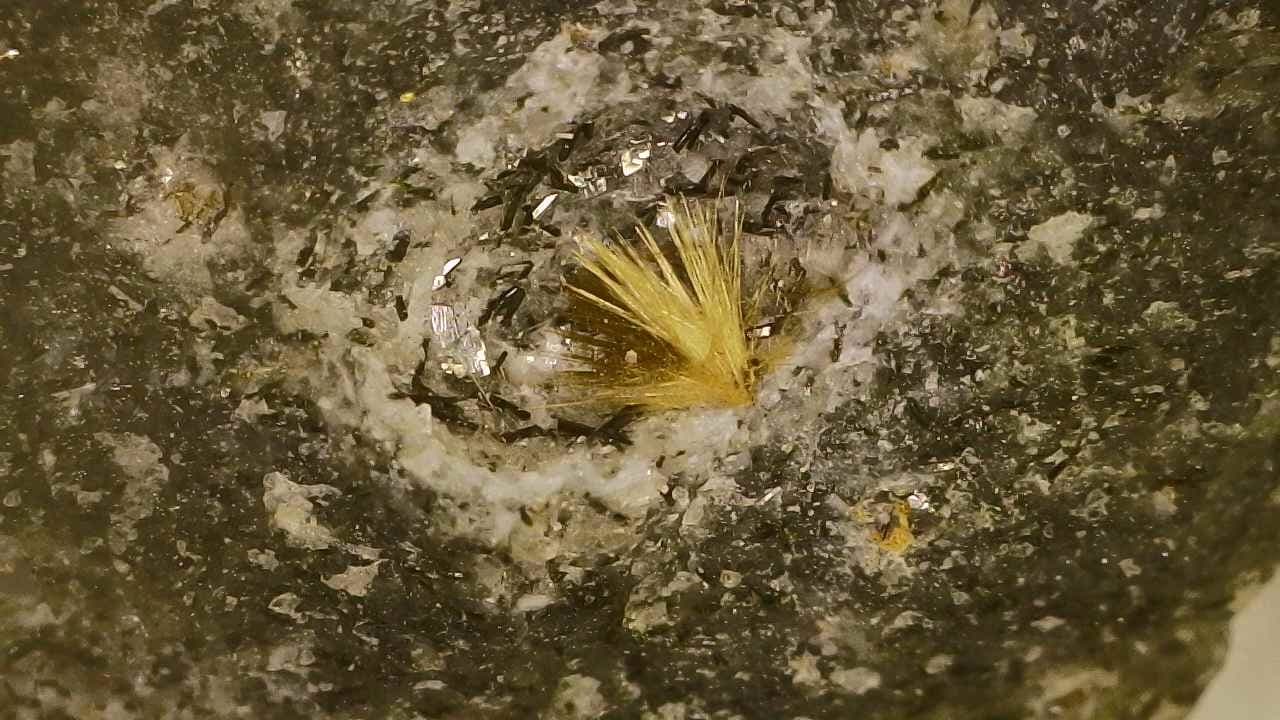
Buying micromounts is trending – but what is behind this fascinating collecting area? Micromounts are mineral specimens and crystal samples that are smaller than 25 mm in their greatest extent. Despite their tiny size, these minerals reveal breathtaking crystal architecture under a microscope or a good magnifying glass. Among collectors and mineral enthusiasts, micromounts are considered an art form of their own – a world full of details hidden from the naked eye.
At Crystal Paradise, we have put together our new Micromounts Collection – hand-picked unique specimens from around the world. In this article, we explain what defines micromounts, which minerals are particularly suitable, and why this collecting area is so fascinating.
The World of Micromounts: Minerals in Miniature Format
The fascination begins with a simple tool: a magnifying glass with at least 10x magnification. Under it, seemingly inconspicuous samples transform into crystalline cathedrals. The international collection format defines micromounts with a maximum size of 25 mm – often the most beautiful pieces are even smaller than 10 mm.
Micromounts originate from the same localities as large collector specimens. The difference lies in the selection. Mineralogists and experienced collectors separate small but perfectly formed crystal groups from larger specimens. The result is samples of exceptional quality and purity.
Why Micromounts are Ideal for Beginners and Experts
Micromounts offer a unique entry point into mineral collecting. The advantages are manifold:
- Low Cost: High-quality minerals available for just a few euros
- Minimal Space Requirements: An entire collection fits in a small box
- Exceptional Quality: Often better crystal forms than large specimens
- Rare Species: Many minerals are only available as micromounts
- Documentable Provenance: Locality and date are precisely recorded
- Ideal for Children: A sustainable introduction to the natural sciences
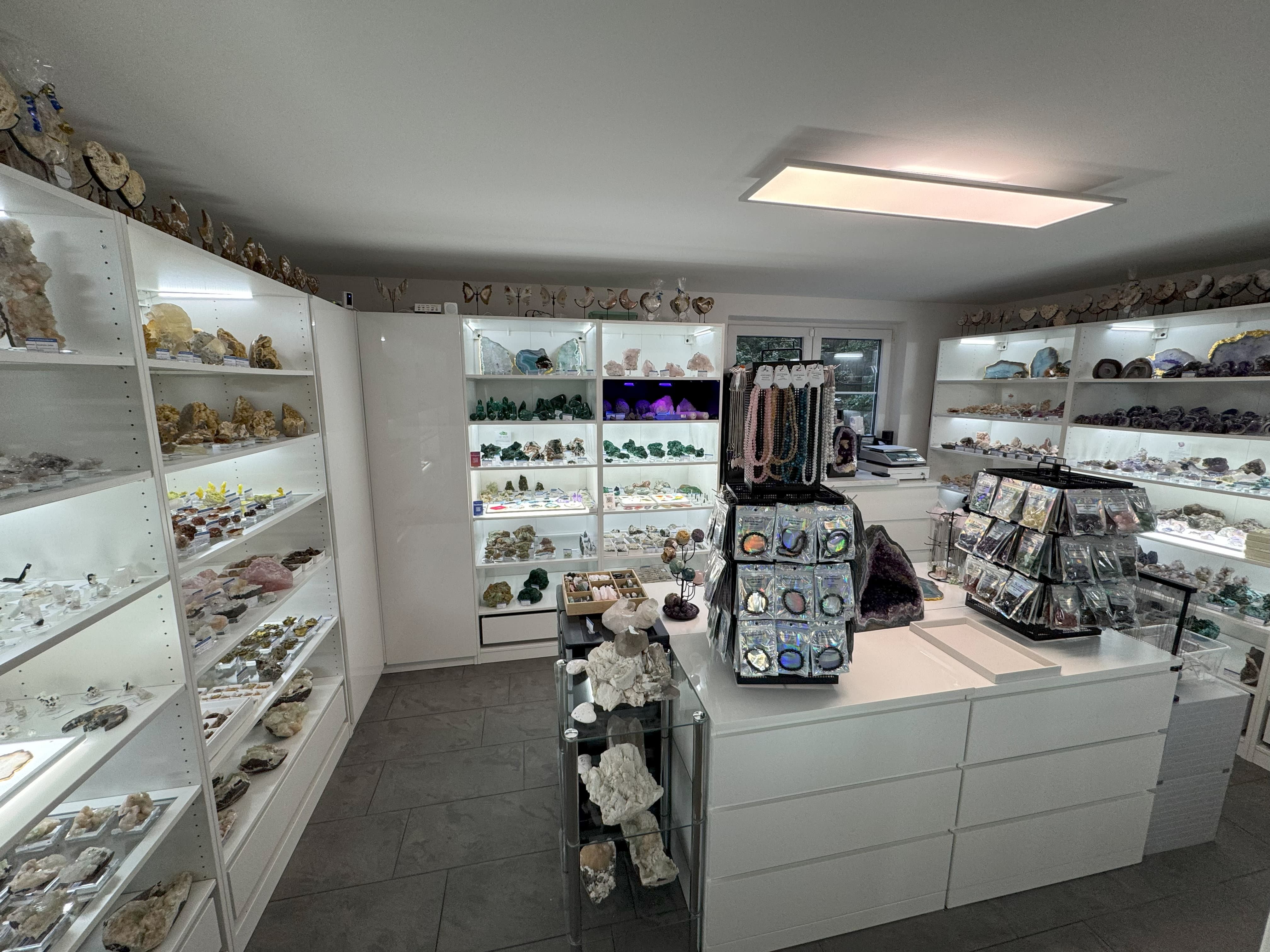
From our own experience, we can say: anyone who has ever looked at a well-prepared micromount through a magnifying glass is instantly fascinated. In our showroom in Feldkirchen near Munich, we regularly provide magnifying glasses so that customers can directly examine their future treasures.
Distinction: Micromounts vs. Thumbnails vs. Miniature Specimens
In the mineral trade, there are clear size classifications. Thumbnails are slightly larger – between 25 mm and 45 mm. Miniature specimens range between 45 mm and 70 mm. Micromounts are the smallest category, with an edge length under 25 mm. They are traditionally stored in small, cotton-lined boxes or transparent plastic containers and labeled with the mineral species, locality, and date.
Buy the Most Fascinating Minerals as Micromounts
Not every mineral is equally suitable as a micromount. Particularly popular are species that tend to form small but perfectly defined crystals. In our Micromounts Bestseller Collection, you will find the most sought-after specimens.
Crocoite – the Red Volcano in Miniature
Crocoite is one of the most spectacular micromount minerals of all. This lead chromate mineral forms needle-like, orange-red crystals with intense luminosity. The best finds come from Tasmania, Australia – specifically from the Dundas Mine. With a Mohs hardness of only 2.5 to 3, crocoite is delicate and ideal for undisturbed collections. Learn more about this special mineral in our Crocoite Collection.
Dolomite – White Saddle-Shaped Rhombohedra from the Alps and Mexico
Dolomite micromounts often show curved, saddle-shaped rhombohedra in brilliant white or delicate pink. The most beautiful specimens come from Northern Mexico, Spain, and of course, from the eponymous Dolomites in South Tyrol. Dolomite has a Mohs hardness of 3.5 to 4 and only reacts to hydrochloric acid when pulverized – a classic identification feature in the mineralogical laboratory.
Other Popular Micromount Species
- Vanadinite: Hexagonal, orange-red crystals from Morocco and Mexico
- Dioptase: Emerald-green short prisms, found in Namibia and Kazakhstan
- Cerussite: Brilliant, white to colorless crystals from Morocco
- Pyromorphite: Green to yellow barrel-shaped forms, Germany and China
- Ametrine: Bi-colored quartz from Bolivia – unique even as a micromount
- Antimonite (Stibnite): Metallically lustrous needles from China and Japan
If you are interested in the history of antimonite, you can find in-depth information on its crystal system, localities, and significance in our detailed Antimonite blog post.
Buying Micromounts: What to Look For

Those wishing to buy micromounts should pay attention to certain quality characteristics. Not every tiny mineral fragment is a true micromount in the collector's sense.
Quality Features at a Glance
A high-quality micromount fulfills several criteria. First, the crystal form should be complete and undamaged. Second, the provenance must be documented – locality, country, and ideally also mine or region. Third, good presentation is important: a clean base and clear labeling.
At Crystal Paradise, we place particular emphasis on complete provenance. Every micromount in our range is labeled with its locality and mineral name. We have worked for years with specialized dealers and mineralogists who supply us directly from significant discovery sites – including pieces from the DR Congo and Mongolia.
Proper Storage of Micromounts
Caring for micromounts requires careful attention. The following points are crucial:
- Storage Boxes: Small transparent plastic containers with cotton or foam bedding protect delicate crystals
- Dryness: Humid environments can damage some minerals, such as halite or sylvite
- Observe Lightfastness: UV-sensitive minerals like realgar or proustite fade when exposed to light
- Do Not Touch with Bare Hands: Skin oils leave residues on fine crystal surfaces
- Maintain Documentation: Record number, mineral species, locality, and acquisition date
Learn more about UV-sensitive and UV-fluorescent minerals in our article The Magic of UV Minerals.
Recommended Tools for Micromount Collectors
For beginners, we recommend a magnifying glass with 10x magnification. Advanced collectors invest in a simple stereo microscope with 20x to 40x magnification. LED cold light sources with at least 5000 Kelvin color temperature ensure natural color representation. For labeling, India ink micro-pens with a line width of 0.1 mm are suitable.
Micromounts as Gifts and Beginner Recommendations
Micromounts make an exceptional gift for curious people of all ages. For children and teenagers, they offer an exciting introduction to geology and natural sciences. In our Young Collectors Corner, you'll find specially curated sets for little explorers.
For those just starting, we recommend our beginner's collection Discover the Fascinating World of Minerals for Beginners. There, we explain fundamentals, mineral classes, and identification methods clearly and concisely.
According to the renowned mineral portal Mindat.org, over 5,900 officially recognized mineral species are currently known. As a micromount collector, thousands of possibilities are literally open to you – a collection that is never complete, but always growing.
The International Mineralogical Association (IMA) is the world's leading professional organization for mineralogy. It defines the nomenclature and classification of all mineral species – a reliable reference framework for ambitious hobby collectors as well.
Frequently Asked Questions

What exactly are micromounts and how large are they?
Micromounts are mineral specimens with a maximum size of 25 mm in their longest dimension. Under a magnifying glass or microscope, they display fully formed crystals of high quality. The next larger category, called thumbnails, measures between 25 mm and 45 mm. Micromounts are collected and stored in small, labeled boxes.
Can I buy micromounts even if I am a beginner?
Yes, absolutely. Micromounts are particularly well-suited for beginners. The cost per piece is low, the space required is minimal, and the variety is enormous. At Crystal Paradise, you'll find affordable entry-level specimens as well as rare collector's items. We recommend starting with a good 10x magnifying glass and a small selection of popular species such as vanadinite, pyromorphite, or dolomite.
Are micromounts also suitable for children?
Micromounts are excellent for children aged approximately 8 and up who show an interest in nature and natural sciences. They foster observation skills, patience, and scientific thinking. Important: Some minerals, such as vanadinite or galena, contain heavy metals and require thorough handwashing after touching. In our Young Collectors Corner, you'll find child-friendly sets without problematic ingredients.
Which micromounts are particularly rare?
Particularly rare and sought-after are micromounts of minerals that occur in only a few localities worldwide. These include chambersite from Texas (USA), stibiotantal

Written by Christian Neumayer


Leave a comment
This site is protected by hCaptcha and the hCaptcha Privacy Policy and Terms of Service apply.