







Sodalite – The stone of clarity and intuition
Sodalite Meaning: What's Behind the Blue Stone of Clarity?

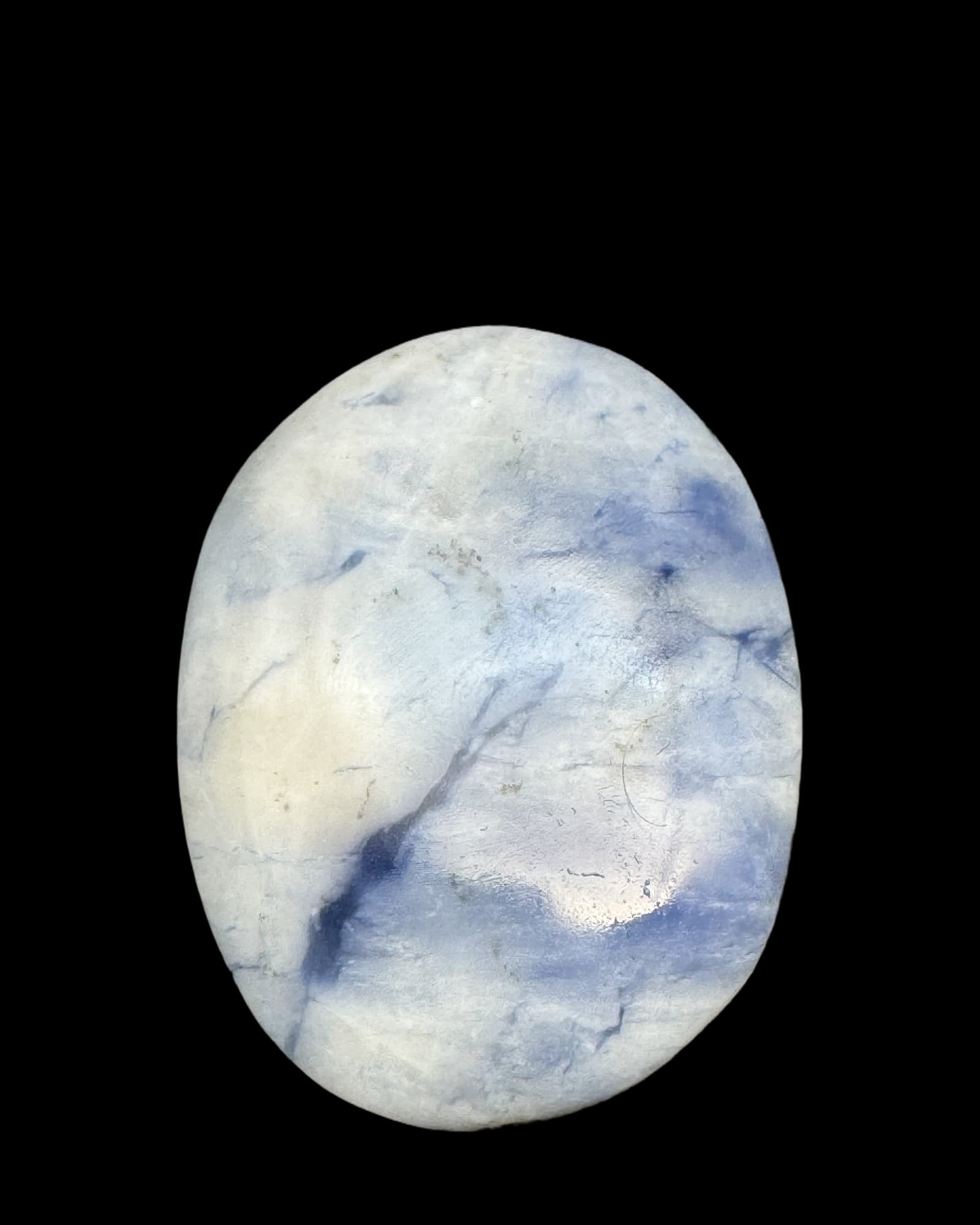
Sodalite Meaning – this term stands for far more than just the description of a blue mineral. Sodalite is a sodium aluminum silicate mineral with the chemical formula Na₈Al₆Si₆O₂₄Cl₂. It belongs to the group of framework silicates and is characterized by its distinctive, deep blue color – often crossed by white calcite veins. In lithotherapy, it is considered a stone of inner clarity, calm communication, and intuitive perception. Anyone who holds sodalite in their hand for the first time understands immediately why it has fascinated people for centuries.
Mineralogical Classification: Sodalite in Scientific Overview
Sodalite was first scientifically described in 1811 in Greenland. It belongs to the sodalite group within the framework silicates. Its Mohs hardness is 5.5 to 6 – making it robust enough for jewelry, but sensitive to scratching from harder materials. According to the mineral database Mindat.org, sodalite is one of the well-documented rock formers worldwide.
The most important mineralogical facts at a glance:
- Crystal system: Cubic
- Mohs hardness: 5.5–6
- Density: approx. 2.2–2.3 g/cm³
- Color: Typically blue to blue-violet, rarely gray, white, or pink
- Luster: Vitreous to greasy luster
- Chemical formula: Na₈Al₆Si₆O₂₄Cl₂
Particularly well-known deposits are found in Brazil, Canada (Ontario), Namibia, India, and Russia. The so-called "royal blue" sodalite material from the Bancroft region in Ontario is especially sought after among collectors. In our showroom in Feldkirchen near Munich, we have learned from years of experience: customers intuitively reach for the pieces with the deepest, most even shade of blue – and for good reason.
Sodalite Meaning in Lithotherapy and Tradition
In lithotherapy, sodalite is traditionally considered a stone that calms the mind and strengthens the inner voice. Many people value it as a companion in times when clarity and focus are needed. It's important to note: these attributions stem from spiritual traditions – there is no scientific proof.
Energy and Intuition
Sodalite is traditionally associated with the Third Eye. According to traditional lore, it is said to sharpen perception and dissolve inner blockages. Those interested in intuition and inner guidance will find further valuable insights in our blog article Which Stones Are Associated with Intuition and Femininity in Lithotherapy?
Communication and Expression
In lithotherapy, sodalite is also considered a stone of honest communication. It is said to support clear articulation of thoughts and authentic speech. Especially in challenging conversation situations, many people appreciate its attributed qualities.
Calm and Balance
Those seeking inner stillness are often referred to sodalite in the world of lithotherapy. According to traditional lore, it is said to calm overactive thought patterns. In addition, it's worth taking a look at our article Which Stones Are Associated with Clarity and Inner Peace in Lithotherapy?.
Sodalite vs. Lapis Lazuli: The Most Common Confusion
Sodalite and lapis lazuli are regularly confused. Both are blue, both often contain white veins – but they are mineralogically different. The Mineralienatlas Lexicon describes sodalite in detail and clearly distinguishes it from related minerals.
- Lapis lazuli is a rock composed of several minerals (including lazurite, pyrite, calcite). It contains golden pyrite inclusions.
- Sodalite is an independent mineral. It has no golden spots. Its blue is often somewhat more muted and less intense.
- Lapis lazuli typically costs significantly more than sodalite of comparable size.
- Under blacklight, sodalite shows no fluorescence – lapis lazuli sometimes does.
If you'd like to learn how to reliably distinguish stones, we recommend our comparison article on Labradorite – The Stone of Intuition and Transformation, which shows how different blue stones can be.
Origin and History: Sodalite Through the Centuries

Sodalite has an exciting history. It was first described in 1811 in West Greenland by British mineralogists. But even earlier, indigenous cultures of North America used blue stones – including sodalite – as jewelry and trade goods.
A special moment in the modern history of sodalite was the year 1891: near Bancroft in Ontario (Canada), huge sodalite deposits were discovered. When Princess Patricia of Connaught – granddaughter of Queen Victoria – visited this deposit, she had several tons of the material shipped to England. Since then, it has carried the unofficial nickname "Princess Blue."
Today, a large portion of commercially available sodalite comes from Brazil. But Namibian material also impresses with its exceptional depth of color. In our showroom in Feldkirchen near Munich, interested visitors can directly compare pieces from various regions of origin – we recommend this visit to anyone who really wants to understand stones.
Caring for Sodalite: How It Stays Beautiful
With a hardness of 5.5 to 6, sodalite is more sensitive than, for example, garnet (hardness 6.5–7.5). Proper care significantly extends the stone's beauty.
Cleaning
Sodalite is best cleaned with a soft, slightly damp cloth. Aggressive cleaning agents, ultrasonic cleaners, or steam cleaners should definitely be avoided. Sodalite is sensitive to acids and strong heat. Temperatures above 60 °C can damage the structure in the long term.
Storage
Sodalite should be stored separately or in a soft pouch. Harder stones such as quartz (hardness 7) can scratch its surface. Direct, intense sunlight over several hours can fade the color tone over time.
Energetic Cleansing (Spiritual Context)
Those who wish to cleanse their sodalite energetically often turn, according to lithotherapy tradition, to moonlight, singing bowls, or incense smoke. Cleansing in salt water is not recommended – salt can attack the surface. Learn more about cleansing with water and stones in our article Why the Meaning of Gemstone Water Can Change Your Drinking Ritual.
Sodalite as a Gift and in Everyday Life
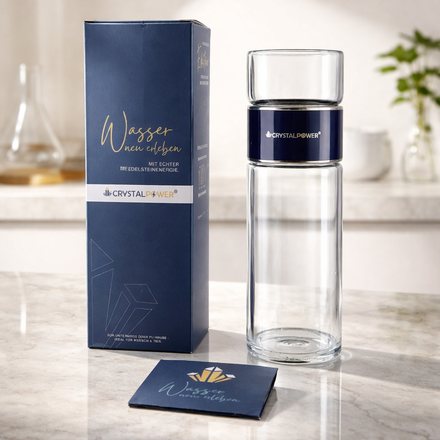
Sodalite is a versatile companion. It's suitable as a desk stone, a pocket stone for on the go, or as an elegant jewelry stone. In our shop at Crystal Paradise you'll find sodalite in various forms: as a tumbled stone, raw stone, sphere, or as part of our crystalpower® bracelets with healing stones.
As a gift, sodalite impresses with its warm appearance and its symbolic message: clarity, calm, and honesty. Especially for people who communicate a lot in their professional life or are seeking mental balance, it is a meaningful gift with depth.
Similar energetic qualities are also attributed to amethyst – likewise a classic companion for inner peace and clarity. Both stones complement each other wonderfully in a collection.
Frequently Asked Questions

What is the meaning of sodalite in lithotherapy?
In lithotherapy, sodalite is traditionally considered a stone of clarity, honest communication, and inner peace. It is said to strengthen intuition and calm the mind. These attributions are based on spiritual traditions and have no scientific evidence.
How do I recognize genuine sodalite?
Genuine sodalite shows a deep, matte blue with white calcite veins – without golden inclusions (these would be a characteristic of lapis lazuli). Its hardness is 5.5–6. A simple test: try scratching the surface with a fingernail (hardness approx. 2.5) – this won't work on genuine sodalite. If in doubt, we recommend buying stones only from reputable dealers who communicate origin and authenticity transparently.
Can sodalite be cleaned with water?
A brief rinse with lukewarm water is generally unproblematic for sodalite. However, prolonged soaking, salt water, or temperatures above 60 °C should be avoided. The surface may become dull or small cracks may form. The gentlest cleaning method is a soft, slightly damp cloth.
Which zodiac sign is sodalite especially suited for?
In astrological lithotherapy, sodalite is traditionally assigned to Sagittarius and Capricorn. However, as a general rule: anyone can be drawn to a stone, regardless of their zodiac sign. One's own feeling when choosing is often the best guide.
How does sodalite differ from lapis lazuli?
Sodalite is an independent mineral, while lapis lazuli is a rock made up of several minerals. The most important visual difference: lapis lazuli contains golden pyrite inclusions, sodalite does not. Additionally, lapis lazuli is significantly more expensive. Both are blue – but lapis lazuli has a more intense, stronger blue than most sodalite varieties.
Note: The effects mentioned are spiritual traditions without scientific evidence. Sodalite does not replace medical or therapeutic treatment.

Written by Christian Neumayer

Leave a comment
This site is protected by hCaptcha and the hCaptcha Privacy Policy and Terms of Service apply.