










Aquamarine - magical blue gemstone
In short: Aquamarine is the blue-green to sky-blue variety of beryl, colored by traces of iron in its crystal lattice. With a Mohs hardness of 7.5 to 8, it is hard and suitable for everyday wear. The name comes from the Latin aqua marina – seawater. The most significant mining region has been Minas Gerais in Brazil since 1725.
| Property | Aquamarine |
|---|---|
| Mineral | Beryl (beryllium aluminum silicate) |
| Chemical formula | Be3Al2Si6O18 |
| Mohs hardness | 7.5 – 8 |
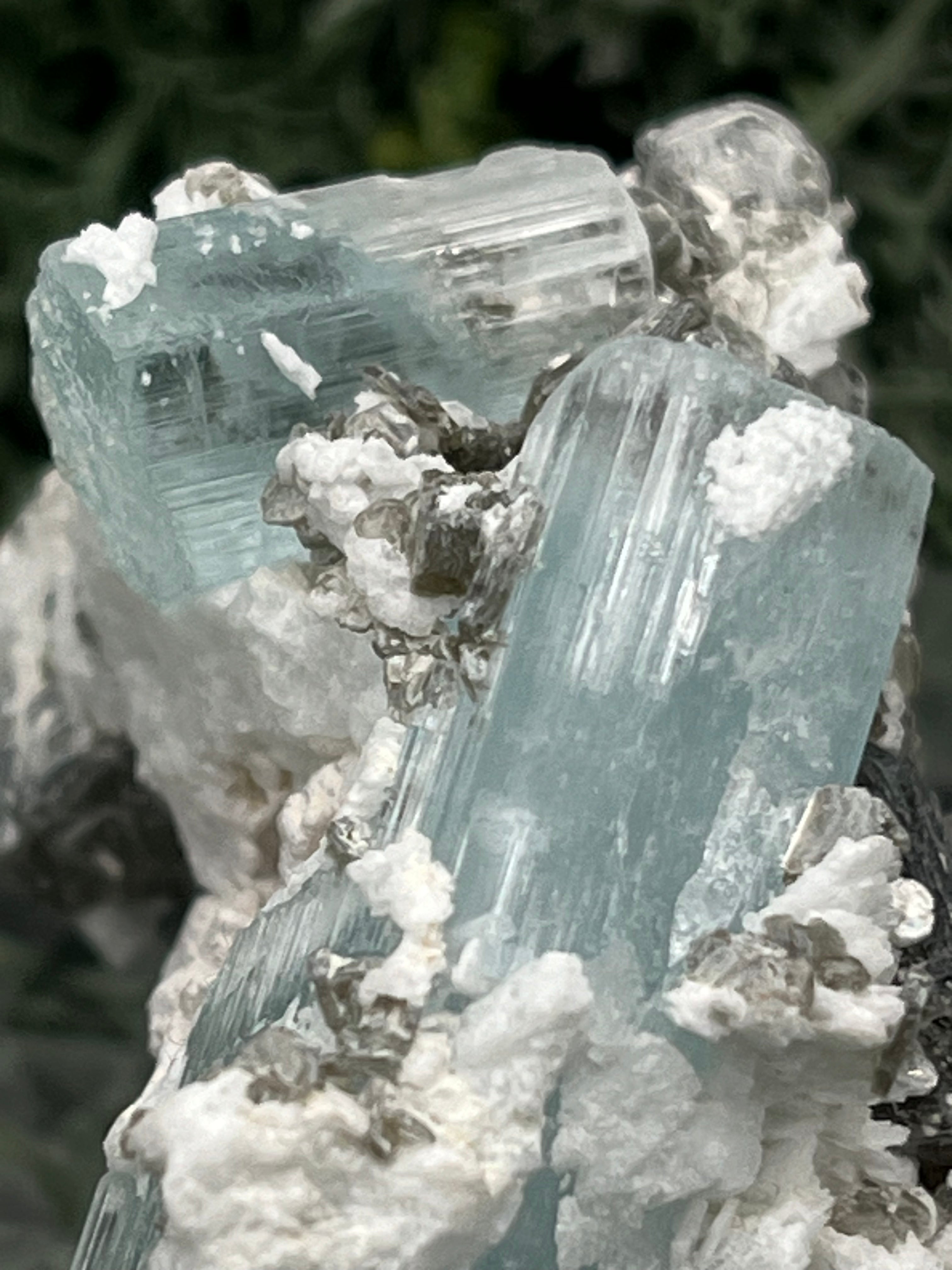
| Crystal system | hexagonal, often prismatic columns – in nature up to one meter long |
| Color | Ice blue to sea blue and blue-green; the color comes from iron(II) and iron(III) ions |
| Top quality | deep blue stones, known in trade as "Santa Maria" |
| Main deposit | Brazil, Minas Gerais – most significant mining region since 1725 |
| Largest find | "Dom Pedro," rough weight over 26,000 carats, from Brazil |
| Treatment | Heat treatment at around 400 °C is common in the trade to reduce greenish tints |
| As a water stone | suitable – beryllium remains firmly bound in the ring silicate, reasoning here |
Aquamarine Gemstone: Definition, Origin, and Meaning

The aquamarine gemstone is a blue-green to sky-blue variety of the mineral beryl (beryllium aluminum silicate) with the chemical formula Be₃Al₂Si₆O₁₈. Its characteristic color comes from trace amounts of iron(II) and iron(III) ions in the crystal lattice. The name derives from the Latin aqua marina – "seawater" – and aptly describes the unmistakable color of this fascinating stone. With a Mohs hardness of 7.5 to 8, it is one of the more robust gemstones and is sought after worldwide as a jewelry stone.
Discover our handpicked selection of aquamarines at Crystal Paradise – curated with passion and expertise directly from our showroom in Feldkirchen near Munich.
Mineralogical Properties of the Aquamarine Gemstone
Aquamarine crystallizes in the hexagonal crystal system and often forms impressive prismatic columns. These can reach lengths of up to one meter in nature – a geological wonder. In trade, faceted stones between 1 and 20 carats are the most common. Exceptional pieces, however, far exceed this: the largest aquamarine ever found, the Dom Pedro, weighed over 26,000 carats in its rough state and comes from Brazil.
Color and Transparency
The color range spans from delicate ice blue through clear sea blue to intense blue-green. Deep blue stones – often referred to as "Santa Maria" quality – are considered particularly valuable. Heat treatment at around 400 °C is used in the industry to reduce greenish tones and achieve a purer blue. At Crystal Paradise, we place great value on transparency: based on our own experience, we clearly and honestly label treated and untreated pieces.
Difference from Other Beryl Varieties
- Emerald – green beryl variety, colored by chromium and vanadium
- Morganite – pink beryl, colored by manganese
- Heliodor – golden yellow beryl, containing iron
- Aquamarine – blue-green beryl, containing iron, hardness 7.5–8 on the Mohs scale
- Goshenite – colorless beryl, chemically pure
Learn more about related gemstones in our article on Garnet – a fascinating gemstone with a rich history.
Origin and Deposits: Where Does Aquamarine Come From?
Aquamarines form in igneous rocks, especially in pegmatites. Deposits are found worldwide – yet some regions are known for their exceptional quality.
Brazil
The state of Minas Gerais has been the world's most significant mining region since the 18th century. Brazilian aquamarines impress with their exceptional clarity and intense color. The discovery of the deposits there dates back to 1725.
Pakistan and Afghanistan
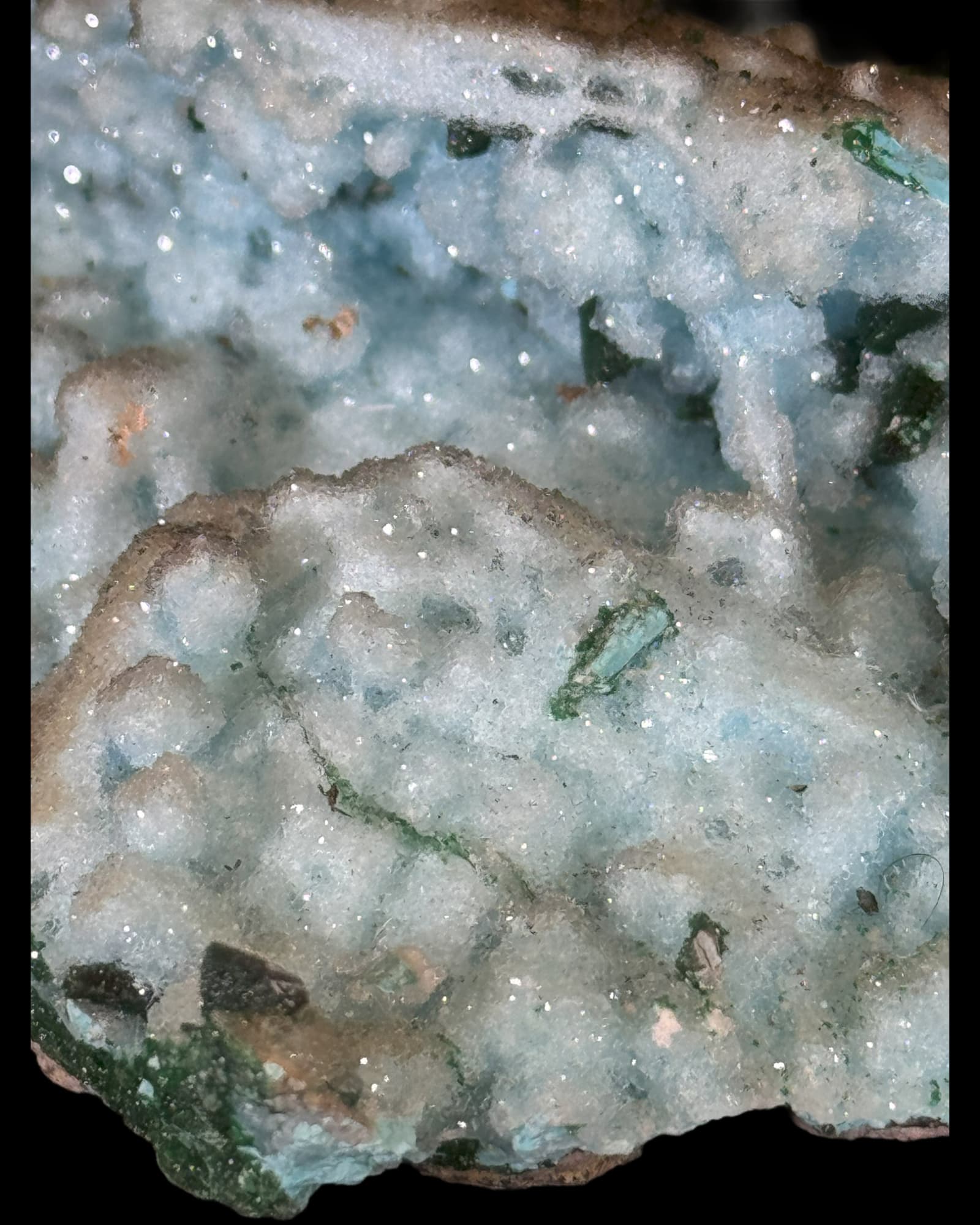
In the Hunza Valley in Pakistan and in the mountain regions of Afghanistan, outstanding aquamarines have been mined for decades. Their often naturally occurring, prismatic rough crystals on matrix rock are especially sought after by collectors. We at Crystal Paradise currently have beautiful aquamarines from Pakistan on offer – be sure to take a look!
Other Deposits Worldwide
- Madagascar – clear, often deep blue crystals
- Mozambique – increasingly important source for gem qualities
- Russia (Urals) – historically significant, rarer finds today
- Namibia and Nigeria – African deposits of good quality
- USA (Colorado, California) – smaller deposits, collector quality
Aquamarine as a Birthstone and Zodiac Stone
Aquamarine is traditionally considered the birthstone for March. This association has been established in Western jewelry tradition since the early 20th century and was officially set in 1912 by the American National Jewelers' Association. People born in March often wear this stone as a personal companion.
Astrologically, it is particularly associated with the zodiac sign Pisces – sometimes also Aries and Aquarius. If you'd like to choose your personal stone based on your zodiac sign, you'll find plenty of inspiration in our Crystal Zodiac Collection. Our Birthstones Collection also offers beautiful, meaningful gift ideas.
Aquamarine in Crystal Lore: Traditional Meanings

In crystal healing lore and spiritual practice, aquamarine has a long history of symbolic meanings. These traditions date back to antiquity and are deeply rooted in collective consciousness.
Traditionally Attributed Properties
In crystal lore, aquamarine is traditionally regarded as a stone of clarity, calm, and inner balance. It is said that it:
- is said to promote communication skills and expressiveness
- according to spiritual tradition, may have a calming and harmonizing effect
- is associated in traditional symbolism with the element of water and emotional purity
- is considered a protective stone for travelers – especially at sea – from antiquity to today
- is associated with the throat area and the throat chakra
Even the Romans are said to have carried aquamarines as amulets on sea voyages. This tradition is over 2,000 years old. Today, it continues to carry this symbolic meaning as a stone of far horizons.
Aquamarine and Emotional Connection
Traditionally, aquamarine is also associated with deep emotional connection. In the love traditions of various cultures, it is regarded as a symbol of loyalty and honesty. It is therefore especially popular for romantic occasions or as a gift between loved ones – feel free to browse our collection For Lovers.
Care and Cleaning of Your Aquamarine Gemstone
Thanks to its hardness of 7.5 to 8, aquamarine is relatively easy to care for. Still, there are a few points to keep in mind to preserve the beauty of your stone over the long term.
Cleaning
Aquamarine can safely be cleaned under lukewarm running water. Use a soft brush and a mild, soapy solution. Rinse thoroughly. Ultrasonic cleaners are generally safe for untreated aquamarines but should be avoided for treated stones. Afterward, gently dry your stone with a soft cloth.
Storage
Store aquamarine separately from harder stones such as diamond or ruby. This helps avoid unsightly scratches. A soft cloth or a separate jewelry case protects the surface optimally. Avoid prolonged direct sunlight – intense UV radiation can slightly fade the color over many years.
Energetic Care According to Tradition
In spiritual practice, it is recommended to occasionally cleanse aquamarines in moonlight or place them on a clear quartz. These practices come from traditional stone lore – without scientific evidence, but with a long tradition.
Buying Aquamarine: Quality Criteria and Prices
The quality of an aquamarine gemstone is judged by the classic 4Cs: color (Color), clarity (Clarity), cut (Cut), and weight (Carat). Color is the most important criterion: an intense, even blue achieves the highest prices. Good jewelry qualities cost between 20 and over 500 euros per carat – depending on origin and intensity. Rough crystals for collectors are often more affordable and have their own unmistakable charm.
Learn more about pricing for gemstones in our article Prices for Minerals and Gemstones – Our Expert Perspective on the Market.
When buying, we always recommend paying attention to origin details and treatment disclosures. Reputable dealers like Crystal Paradise provide this information transparently. In our showroom in Feldkirchen near Munich, you can personally examine aquamarines and receive advice from our experts.
For further mineralogical information, we recommend visiting the Aquamarine page at Mindat.org – one of the world's leading mineral databases. The GIA (Gemological Institute of America) also provides well-founded, scientific information on aquamarine.
Frequently Asked Questions

What exactly is an aquamarine gemstone?
An aquamarine gemstone is a blue-green to blue variety of the mineral beryl. It consists of beryllium aluminum silicate and gets its characteristic color from iron ions in the crystal. With a Mohs hardness of 7.5 to 8, it is robust and excellently suited for jewelry.
Which zodiac sign is aquamarine associated with?
Aquamarine is traditionally associated with the zodiac sign Pisces, sometimes also Aries and Aquarius. As the official birthstone for March, it is also a popular, personal gift for people with March birthdays. In our Crystal Zodiac Collection, you'll find matching pieces.
How do I properly care for my aquamarine?
Aquamarine can be easily cleaned with lukewarm water and mild soap. A soft brush helps with stubborn dirt. Store it separately from harder stones and avoid prolonged, intense sunlight. This way, your aquamarine will stay beautiful and clear for the long term.
How do I recognize a genuine aquamarine?
Genuine aquamarine shows a natural, slightly uneven color distribution and feels cool to the touch. It doesn't scratch glass and is itself hard to scratch. Synthetic imitations made of glass or plastic are lighter and warm up more quickly. If in doubt, a gemological examination or purchase from a reputable dealer with origin documentation can help.
Can aquamarine be used as a water stone?
Aquamarine is chemically stable and is considered suitable for gemstone water practice – it does not dissolve and does not release harmful substances. It has traditionally been used for

Written by Christian Neumayer

Leave a comment
This site is protected by hCaptcha and the hCaptcha Privacy Policy and Terms of Service apply.