







Minerals or Healing Crystals: Which one suits you?
Minerals or Healing Stones: What Suits You? Buying – the Key Differences

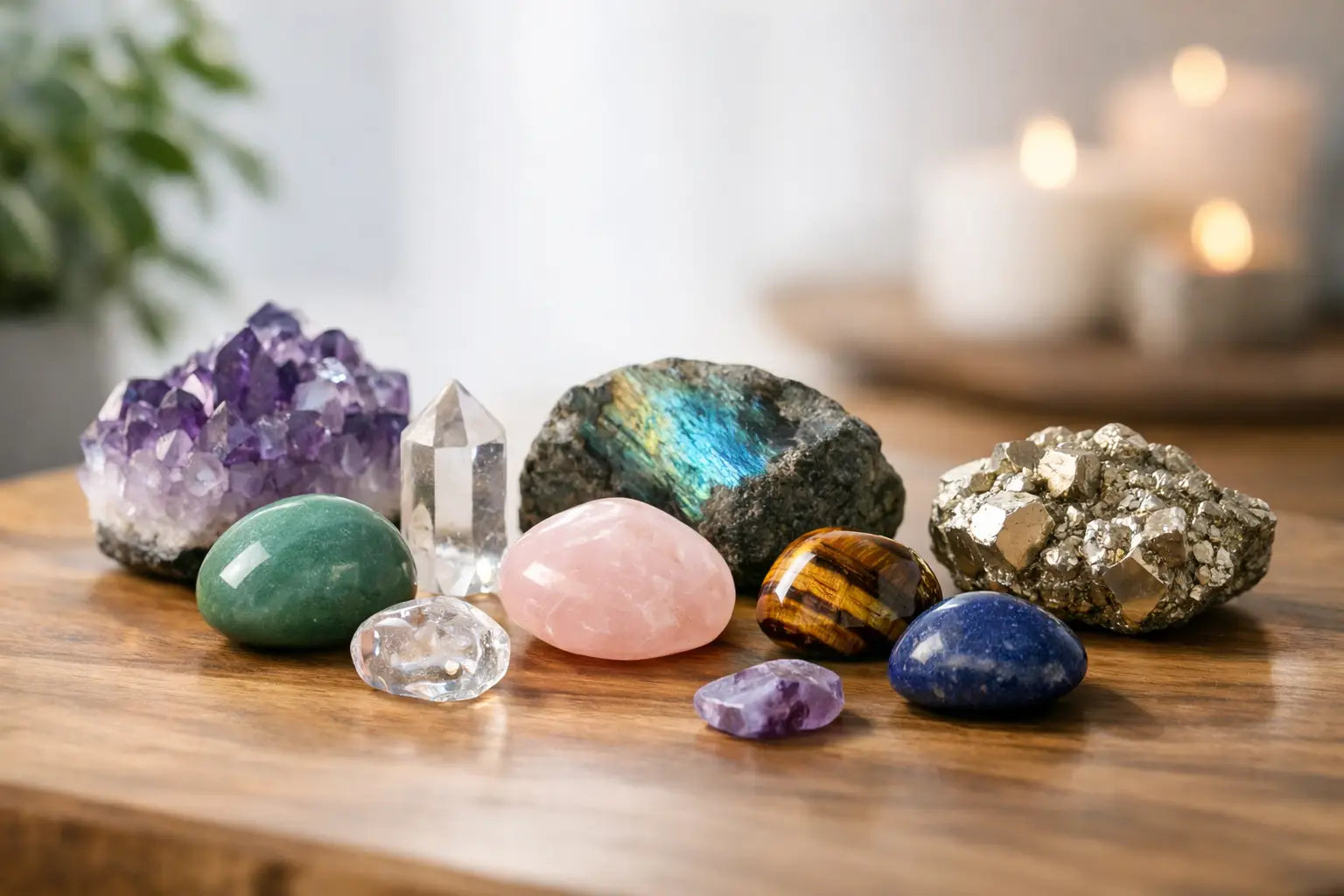
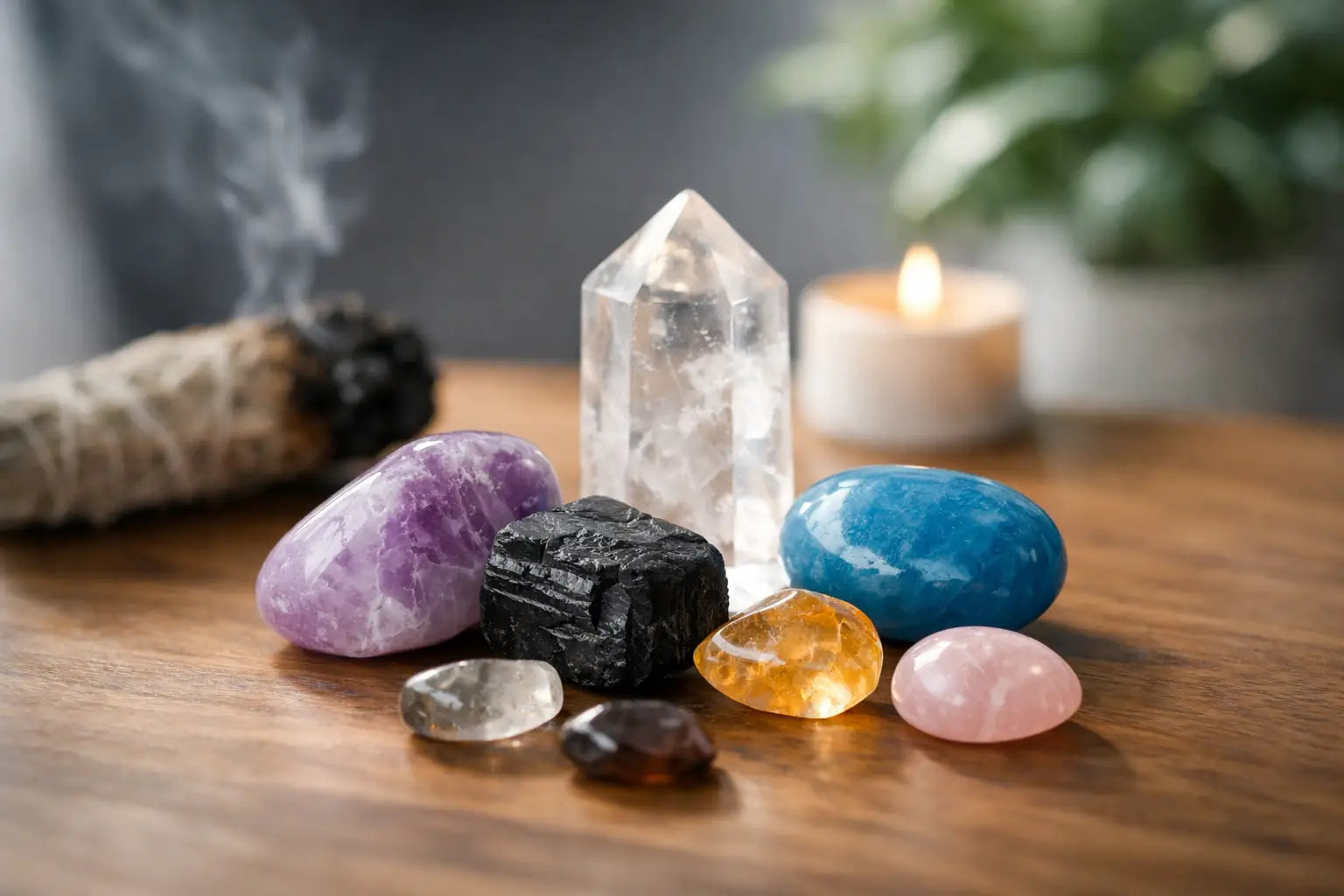
Minerals or healing stones – this is a question many people ask themselves when they first start exploring the fascinating world of stones. The short answer: Every healing stone is, mineralogically speaking, a mineral or rock – but not every mineral is used as a healing stone. The difference lies less in the substance itself than in the context, the intention, and the personal relationship to the stone. Whether you collect an amethyst for its violet crystal structure or wear it as a personal companion – both are entirely valid. This article will help you find the right choice for you.
What are minerals – and what makes them special?
Minerals are naturally formed, inorganic solids with a defined chemical composition and an ordered crystalline structure. They form over millions of years within the Earth's crust – through the cooling of magma, hydrothermal processes, or metamorphic transformation under extreme pressure.
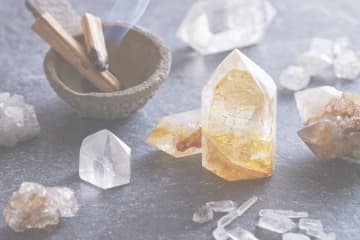
A classic example is rock crystal, chemically pure silicon dioxide (SiO₂) with a hardness of 7 on the Mohs scale. It crystallizes in the trigonal system and forms characteristic hexagonal prisms. For collectors, mineralogical perfection is the main focus with such pieces: crystal form, transparency, origin, and rarity determine the value.
According to the international mineral database Mindat.org, there are currently over 5,800 recognized mineral species known – an impressive diversity that offers collectors a lifelong field of activity.
Those looking for minerals as collector's pieces primarily pay attention to:
- Documented locality and geological context
- Untreated, natural surface
- Exceptional crystal formation or rarity
- Mineralogical purity and chemical composition
- Aesthetic quality of the specimen or individual crystal
At Crystal Paradise, we place great value on transparency regarding origin and quality. From years of experience in mineral trading, we know: a stone with a known locality has significantly higher value for collectors. Whether minerals from Brazil or handpicked pieces from other regions of the world – the origin always tells its own story.
What are healing stones – tradition, symbolism, and holistic companions
The term "healing stone" comes from a long cultural tradition. For at least 5,000 years, people have used stones not only as tools or jewelry, but have also attributed symbolic and energetic meanings to them. In ancient Egypt, in traditional Chinese medicine, and in many indigenous cultures, certain stones played a central role.
In modern crystal healing – an alternative, spiritual concept – stones are attributed energetic effects on body, mind, and soul. These attributions are based on tradition and subjective experience. The Smithsonian Institution describes in detail in its mineral collection how cultures around the world have assigned symbolic meanings to gemstones – more on this at naturalhistory.si.edu.
Some well-known examples from crystal healing:
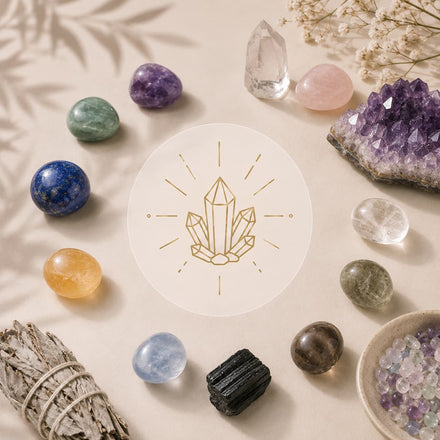
- Rose Quartz – traditionally associated with compassion, self-love, and inner peace
- Amethyst – traditionally considered in crystal healing as a stone of clarity and a calm mind
- Black Tourmaline – considered in crystal healing to be a protective stone against negative influences
- Citrine – traditionally associated with joy, creativity, and motivation
- Lapis Lazuli – in crystal healing, considered a stone of truth and communication
Important: These descriptions are spiritual traditions. They do not replace medical treatment and make no scientific claims.
Minerals or Healing Stones: What Suits You? Buying – the Decision Guide

The decision depends on your personal motivation. There is no wrong answer – and many people consciously choose both.
You should choose minerals as collector's pieces if …
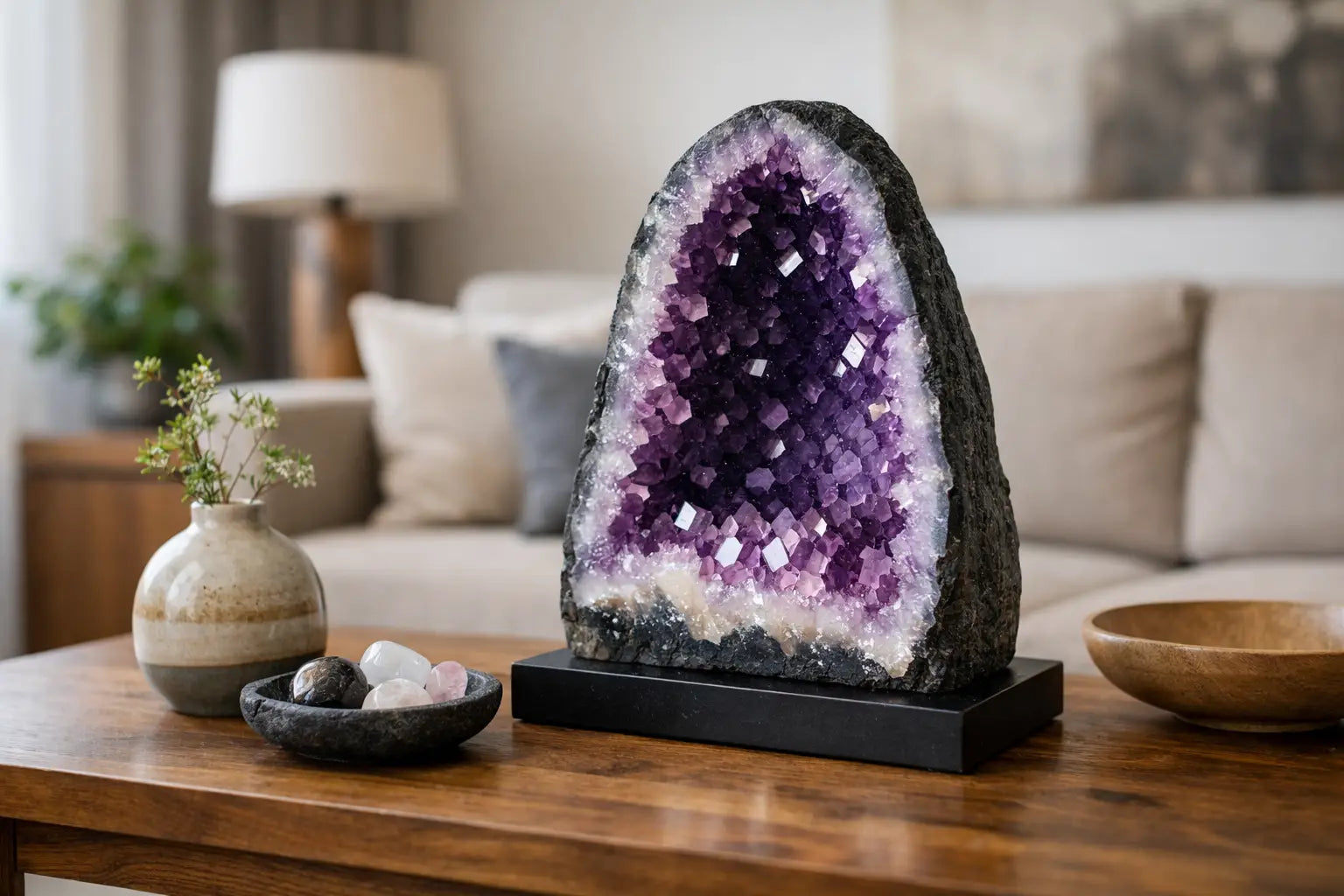
… you are fascinated by the geology and science behind the stones. If you buy a pyrite crystal for its perfect cubic crystals or admire an amethyst geode from Uruguay for its mineral formation – then you are a classic mineral collector. For you, locality, authenticity, and mineralogical quality matter most.
In this case, we recommend: always pay attention to a documented locality. In our shop, we carry only pieces with traceable origin. Learn more in our article Buying Minerals with Locality – What to Look For?
You should choose healing stones if …
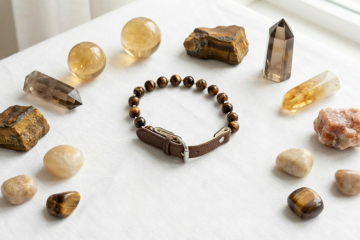
… you are looking for a personal symbol or companion. Many people wear healing stones as jewelry, place them in their home, or use them in meditation. The stone becomes a daily reminder of an intention: calm, courage, mindfulness, or joy.
If you want to know which healing stone suits your current life situation, our interactive stone advisor in the shop can help.
The third option: combining both
Of course, collecting and spiritual experience are not mutually exclusive. A beautiful tourmaline from Afghanistan can be both a mineralogical highlight and a personal talisman. Many of our customers describe exactly this dual quality as what makes their favorite pieces special.
Practical tips for buying: What to look for?
Whether mineral or healing stone – there are some basic quality criteria you should keep in mind when buying.
Authenticity and origin
Look for sellers who communicate transparently about the origin of their stones. Dyed, heated, or synthetic stones are common on the market. Amethyst, for example, is often heated to over 400 degrees Celsius to imitate citrine – genuine citrine, on the other hand, is much rarer. At Crystal Paradise, we label treatments whenever they are known.
Raw or polished stones?
Raw minerals show the natural crystal shape and are preferred by collectors. Polished stones – tumbled stones, spheres, or freeforms – are more pleasant to the touch and are well suited as healing stones for wearing or meditating. Learn more in our article Natural or Polished – What Suits You?
Size and shape
For daily use as a companion or jewelry, stones between 2 and 5 cm in size are particularly well suited. Decorative pieces and specimens for living spaces can be larger. Mineral collector's pieces are often evaluated by quality, not size.
Caring for your stones
Most minerals can be cleaned with a slightly damp cloth. Sensitive stones such as selenite (hardness 2 on the Mohs scale) should never be placed in water, as they can dissolve. Amethyst can fade after several hours of direct sunlight – it's better to store it in the shade.
Crystal Paradise: Your partner for minerals and healing stones in Feldkirchen bei München
At Crystal Paradise, we have combined mineral trading and wellness culture under one roof for years. In our showroom in Feldkirchen bei München, you can hold stones in your hands and sense which piece truly speaks to you. Online, we offer a carefully curated selection of handpicked natural one-of-a-kind pieces.
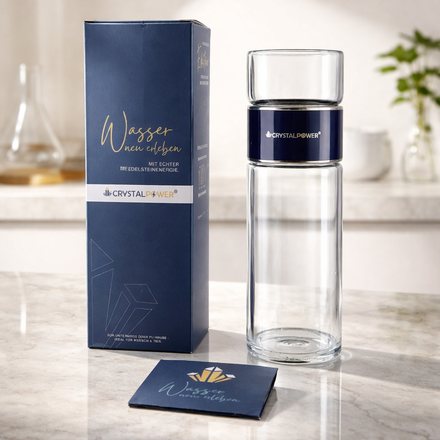
Our range extends from raw minerals and specimens to spheres, freeforms, and pendant necklaces, all the way to our own product line CRYSTALPOWER® featuring water stone carafes and drinking bottles. Our rock crystal water stones are especially popular – they combine minerals with daily water enjoyment in an elegant way.
Also, let our article Which Healing Stone for Courage Suits You? inspire you if you're looking specifically for a stone for a particular intention.
Frequently Asked Questions

What is the difference between minerals and healing stones?
Minerals are geologically defined, naturally formed solids with a specific chemical composition. Healing stones are minerals or rocks to which special effects are attributed in spiritual traditions. The difference lies not in the substance, but in the context of use and personal intention.
Are healing stones scientifically proven?
No. The effects attributed to healing stones in crystal healing are based on spiritual traditions and subjective experiences. There is no clinically recognized evidence for this. Many people nevertheless value healing stones as personal symbols, meditation companions, or memory anchors.
How do I find out which stone suits me?
It's best to let your own intuition guide you. Hold a stone in your hand – does it appeal to you aesthetically? Does it feel good? Alternatively, our interactive stone advisor and personal consultation in our showroom in Feldkirchen bei München can help.
Can I collect minerals and use healing stones spiritually at the same time?
Absolutely. Many of our customers are passionate collectors while also using their favorite pieces as personal companions. A rare tourmaline from Afghanistan is both a mineralogical highlight and a stone one can carry daily as a talisman.
What should I look for when buying?
Pay attention to documented origin, transparency regarding treatments, and reputable dealers who describe their products clearly. At Crystal Paradise, we carry only genuine, handpicked natural one-of-a-kind pieces with traceable origin. Free returns and a satisfaction guarantee give you additional peace of mind when buying.
Note: The effects mentioned are spiritual traditions without scientific evidence. They do not replace medical or therapeutic treatment.

Leave a comment
This site is protected by hCaptcha and the hCaptcha Privacy Policy and Terms of Service apply.