










Citrine Water for People and Dogs – Why the Sunstone is So Popular
Citrine – the sunstone with a golden glow

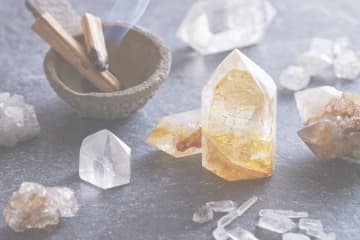
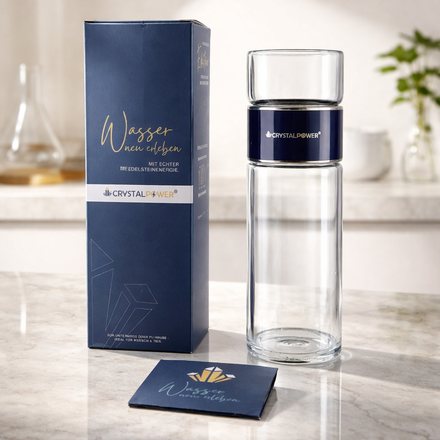
A Citrine water bottle combines two things: mindful drinking and the warm energy of the world's most popular quartz gemstone. Citrine is a silicon dioxide mineral from the quartz family with a Mohs hardness of 7. Its characteristic yellow coloring is caused by iron ions in the crystal lattice. Natural citrine is comparatively rare – which makes it special for collectors and enthusiasts alike.
In this article you'll learn what makes citrine mineralogically special, why gemstone water is so popular, and what to look out for when buying a high-quality citrine water bottle. We'll also address an exciting question: Could citrine be interesting for dogs, too?
What is citrine? A mineralogical classification
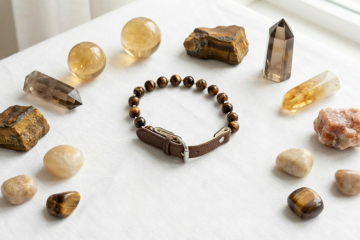
Citrine belongs to the family of macrocrystalline quartzes. Its name derives from the French word citron (lemon) – a direct reference to its typical color. The color palette ranges from delicate pale yellow through warm honey yellow to deep golden orange.
Origin and localities
The most significant localities for natural citrine are in Brazil, particularly in the region of Minas Gerais. Further deposits exist in Madagascar, Spain, Russia, and the United States. Genuine natural citrine from Brazil is especially sought-after – it forms without artificial treatment directly in the earth. Why genuine natural citrine from Minas Gerais is so rare and valuable, we explain in detail in a dedicated article.
Much more common in the trade is heat-treated amethyst, which loses its purple color when heated to about 470 to 560 degrees Celsius and takes on a golden-yellow hue. Connoisseurs can spot the difference: treated citrine often appears more intensely orange, while genuine natural citrine tends to be soft and honey-colored.
Properties at a glance
- Mineral class: Oxides (quartz group)
- Hardness: 7 on the Mohs scale
- Color: Pale yellow to golden orange
- Transparency: Transparent to translucent
- Main localities: Brazil (Minas Gerais), Madagascar, Spain
- Chemical formula: SiO₂ (silicon dioxide)
If you're just starting out in the world of minerals, we recommend our overview page: Discover the fascinating world of minerals for beginners.
Citrine in stone lore – what is it said to do?
In traditional stone lore, citrine has been regarded for centuries as one of the most powerful stones for positive energy. Already in ancient Greece and ancient Rome, yellow quartzes were prized as gemstones. In spiritual traditions, various properties are attributed to citrine:
- Traditionally associated with optimism and joy of life
- Traditionally associated in stone lore with self-confidence and inner strength
- Support for motivation and drive
- Stimulation of creativity and mental clarity
- A symbol of abundance and success – traditionally regarded as the "stone of success"
- Connection to the solar plexus chakra in Indian tradition
In many cultures it is therefore also called the stone of the sun. This symbolism makes it one of the most popular gemstones worldwide – not only as a collector's item, but also as a personal companion in everyday life.
Important: These attributions come from spiritual traditions and traditional stone lore. They are not scientifically proven and do not replace medical or veterinary treatment.
Citrine water bottle – drinking gemstone water mindfully

Gemstone water is not a new trend. The practice of placing stones in water goes back to age-old traditions. Today, citrine water bottles and water carafes with embedded gemstones are experiencing a real boom – and for good reason.
How does a gemstone water bottle work?
In a high-quality citrine water bottle, the gemstones are housed in a separate, sealed glass tube. The water does not come into direct contact with the stone. This is crucial for safety – because not all minerals are water-soluble or safe.
Based on years of experience in the mineral trade, we explicitly recommend: When buying a gemstone water bottle, always make sure that the stones used have been tested for food safety according to LFGB. LFGB stands for the German Food and Feed Code. Only then can you be sure that no questionable substances get into your drinking water.
Why citrine is especially suited for gemstone water
Citrine is considered a water-compatible quartz. With a hardness of 7, it is stable and robust. In our showroom in Feldkirchen near Munich, we see every day how enthusiastic customers are about citrine products. The warm, golden color of the stone is instantly inviting. Many customers report that just looking at the bottle reminds them to drink regularly – a real benefit in a hectic daily routine.
According to a study by the Federal Ministry of Health, many adults in Germany drink too little. The recommended daily amount is at least 1.5 to 2 liters. A beautiful, personally meaningful bottle can help establish this habit.
For a deeper look into caring for your gemstones and water products, we recommend: Cleaning healing stones – how to properly clear and cleanse crystals.
Citrine water for dogs – is that possible?
This question is often asked by pet owners in our shop in Feldkirchen. The good news: with the right bottle, it is possible to offer pets water with a gemstone insert as well.
For dogs, the same applies as for humans: only LFGB-tested products may be used. The stones must never be placed directly in the water. In stone lore, citrine is traditionally associated with positive life energy and balance – properties that, according to spiritual tradition, are also said to benefit animals.
If you're interested in gemstones and crystals specifically for your dog, you should also check out our crystalpower® Pets dog collars. These special collars combine high-quality material with carefully selected gemstones. Learn more in our blog post New in the shop: discover healing stones for pets in unique dog collars.
Important safety notes for pet owners
- Use only products with LFGB certification.
- Stones must never be placed loose in the water bowl – risk of choking.
- When in doubt, always consult your veterinarian before using new products.
- Observe your pet closely the first time you use a new bottle.
Care and cleaning of your citrine water bottle
A high-quality citrine water bottle deserves careful care. With a few simple measures, it will last for many years.
Cleaning tips
- Glass inner container: Rinse daily with lukewarm water and mild dish soap.
- Gemstone tube: Clean only from the outside, never put in the dishwasher.
- Temperature: No boiling water – maximum filling temperature is about 60 degrees Celsius.
- Storage: Do not store in direct sunlight to avoid color changes.
For the energetic cleansing of the citrine in your bottle, moonlight, gentle sunlight (max. 30 minutes), or placing it on a selenite plate are good options. Citrine is, incidentally, traditionally considered one of the few stones said to cleanse itself – another reason for its popularity.
Basic knowledge about caring for healing stones can be found on the website of the German Mineralogical Society, which offers extensive information on mineralogy and crystals.
Frequently asked questions
What is a citrine water bottle and how does it work?
A citrine water bottle is a drinking bottle with a gemstone tube containing genuine citrine stones built into its interior. The water does not come into direct contact with the stone. High-quality models use LFGB-tested gemstones and are made from food-safe glass or stainless steel. They are meant to make drinking a more mindful experience and combine everyday utility with the symbolic energy of citrine.
Is a genuine citrine water bottle safe for children and pets?
Basically, yes – provided the product is LFGB-certified and the gemstones are securely enclosed in the tube. Special caution applies for children and pets: the stones must never be freely accessible. If in doubt, a veterinarian should be consulted for pets. For dogs, Crystal Paradise has specially developed products such as the healing stones for dogs collection.
How can I recognize genuine natural citrine in a water bottle?
Genuine natural citrine shows a soft, honey-yellow to pale golden color spectrum. It is transparent to slightly cloudy and often contains natural inclusions. Heat-treated amethyst sold as "citrine," on the other hand, often appears more intensely orange to reddish-brown. Reputable sellers like Crystal Paradise clearly state whether a product is natural citrine or heat-treated amethyst. If in doubt, check the product description or ask the shop directly.
How often should I clean the citrine water bottle?
You should clean the glass body of the bottle daily with lukewarm water. The gemstone tube is wiped from the outside. An energetic cleansing of the citrine

Written by Christian Neumayer

Leave a comment
This site is protected by hCaptcha and the hCaptcha Privacy Policy and Terms of Service apply.