








Singing bowl effect: Harmony through vibration for body and mind
In short: A singing bowl produces a vibration when struck that is perceived both as sound and as a tangible vibration. Traditionally, it consists of an alloy of up to seven metals. The attributions of relaxation and harmony stem from thousands of years of tradition in Tibet, Nepal, and Ayurvedic teachings – they are traditional attributions without scientific evidence.
| Property | Singing Bowl |
|---|---|
| Material, traditional | Alloy of up to 7 metals: copper, tin, zinc, iron, lead, silver, gold |
| Material, modern | often simplified 3-metal alloys |
| Diameter | typically 10 – 40 cm |
| What determines the sound | Wall thickness and diameter |
| Origin | Central Asia; in Tibet and Nepal initially used as drinking and eating vessels, only later used ritually |
| Traditional attribution | Relaxation, harmony, inner stillness – these are the qualities that singing bowls have been attributed with in many traditions for centuries. |
Singing Bowl Effects: What's Behind the Sound?

Singing bowls produce measurable sound frequencies that are perceived as vibration – what sensations arise from this are described very differently by users. Singing bowls have been used in Asian cultures for over 2,500 years, especially in Tibet, Nepal, and India. Today they are experiencing a real renaissance in the Western world – as a meditation aid, wellness companion, and decorative element with spiritual depth.
In our showroom in Feldkirchen near Munich, we see every day how fascinated visitors are by their first sound impression. Anyone who strikes a singing bowl for the first time immediately feels: something is happening here. But what exactly – that's what we want to explain thoroughly in this article.
The Physics Behind Singing Bowl Effects
Singing bowls are traditionally made from an alloy of up to 7 metals. The classic composition includes copper, tin, zinc, iron, lead, silver, and gold. Modern bowls are often made from simplified 3-metal alloys. The wall thickness and diameter – typically between 10 and 40 centimeters – largely determine the sound produced.
When a mallet is guided around the rim of the bowl, a standing wave is created. This produces tones in the range of approximately 110 to 660 Hz. The human body responds particularly sensitively in exactly this frequency range. Sound is physically measurable. The vibrations are transmitted through air and directly through body contact to tissue and organs.
The Resonance Principle: Why Sound Reaches the Body
The human body consists of about 60 percent water. Water conducts sound about four times faster than air. This explains why singing bowl vibrations are perceived so immediately – almost like an inner massage. Singing bowl practitioners therefore also speak of "sound massage."
A publication in the Journal of Evidence-Based Integrative Medicine (2017) noted that participants in singing bowl sessions reported experienced relaxation afterward – the body of research on this is slim, no general validity can be derived from it, and the results are explicitly considered subjective self-assessment by the respondents. These results are an indication – not proof of medical efficacy.
Frequency and Overtones
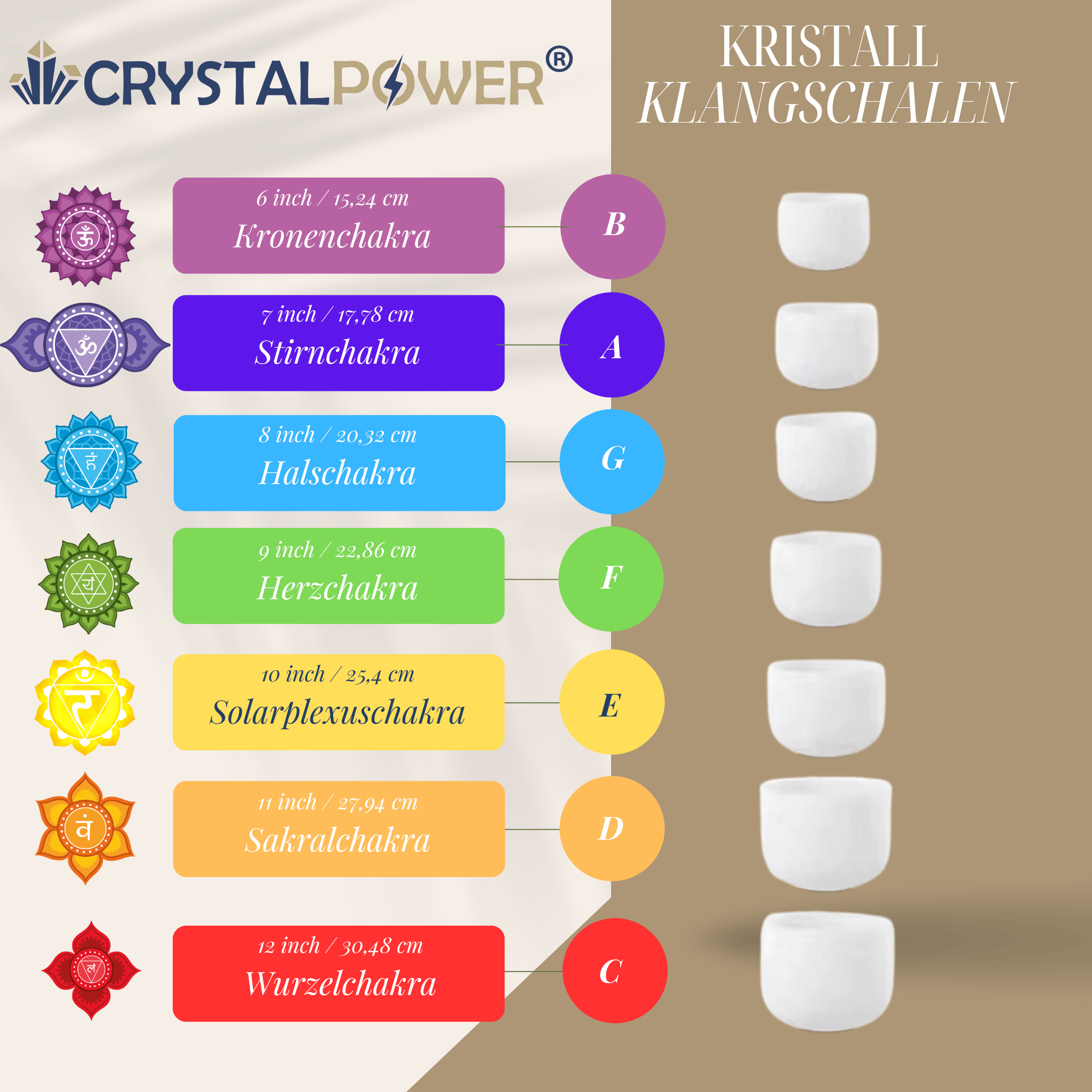
A single singing bowl does not produce a pure tone, but a complex spectrum of fundamental tone and several overtones. This overtone spectrum is regarded as particularly valuable in spiritual traditions. It is traditionally passed down that certain frequencies are associated with certain energy centers (chakras) of the body – for example, the heart chakra at approx. 341 Hz or the crown chakra at approx. 480 Hz.
Traditional Significance: Singing Bowls in Various Cultures
Singing bowls have a history spanning thousands of years. Their origins lie in Central Asia. In Tibet and Nepal, they initially served as drinking and eating vessels. Over time, their ritual use developed in Buddhist ceremonies. Today, Tibetan singing bowls are known worldwide.
In the Indian Ayurvedic tradition, sound vibrations are considered an effective means of harmonizing life energy (prana). In Japan, singing bowls (called "rin" there) are used in temples as meditation bells. The Japanese tradition can be traced back to the 8th century.
What all these cultures have in common: the conviction that sound is not only heard, but also physically felt. In stone healing lore, sound is considered a bridge between the inner and outer world.
Singing Bowl Effects in Modern Wellness Practice
Today, singing bowls are used in meditation centers, wellness hotels, yoga studios, and private spaces. The applications are diverse. From direct customer contact, we know: Many buyers describe their experiences with singing bowls as enriching and seek them out regularly.
Overview of Application Forms
- Sound Meditation: The bowl is placed in front of or beside the body and struck. The sound accompanies the silence.
- Sound Massage: The bowl is placed directly on the clothed body and set into vibration. Transmission of the vibration directly to the tissue.
- Group Sound (Sound Bath): Several bowls surround the reclining participants. The overlapping frequencies create a sound universe.
- Room Sound: Singing bowls are struck to energetically cleanse a room – a widespread spiritual practice.
- Combination with Healing Stones: Singing bowls made of crystal glass or combined with stones like Rainbow Fluorite are becoming increasingly popular.
What Effects Are Traditionally Attributed?
In holistic wellness culture and spiritual tradition, singing bowls are attributed the following effects:
- Mindfulness and conscious pausing
- Support during meditation and breathing exercises
- Harmonization of energy centers (chakras) – traditionally described in many Asian systems
- Improved sleep quality – often cited as an effect in sound therapy tradition
- Emotional balancing effect – in stone healing lore, regular sound bathing is considered a supportive practice for inner balance
Important: These attributions stem from spiritual traditions. They do not replace medical treatment.
Buying Singing Bowls: What You Should Pay Attention To

The quality of a singing bowl largely determines its sound. Handmade bowls from Nepal or Tibet differ fundamentally from machine-made industrial products. With handmade bowls, the tone is more layered, the resonance longer – often 30 to 60 seconds for a high-quality bowl.
Tips for Selection
- Check the sound: Strike the bowl and listen to how long the resonance lasts. A long, clear tone is a sign of quality.
- Weight and wall thickness: Heavier bowls with thicker walls produce deeper tones – ideal for body work and meditation.
- Handmade vs. machine-made: Hand-hammered bowls have an irregular surface and produce richer overtones.
- Material: Classic seven-metal bowls are considered particularly valuable in spiritual traditions. Crystal glass singing bowls produce a different, often brighter tone.
- Choosing the size: Smaller bowls under 15 cm are suitable for focus work. Large bowls from 25 cm are traditionally used for meditation and sound experiences.
In our range, you'll find hand-selected singing bowls with clear origin information. We recommend experiencing them before purchase if possible – this is possible at any time in our showroom in Feldkirchen near Munich. Feel free to check out our selection under Buy Singing Bowls.
Singing Bowls and Healing Stones: A Harmonious Connection
Singing bowls and healing stones are used together in many spiritual practices. The idea behind this: both work with energy and vibration. In stone healing lore, rose quartz is considered a stone of heart energy and emotional opening. Learn more in our article about Rose Quartz Effects.
Rainbow Fluorite is also traditionally associated with clarity and harmonization – properties that match the meditative quality of sound. A singing bowl with a fluorite stone in the middle is a particularly popular setup in meditation and energy work.
If you'd like to combine singing bowls with energetic products, our crystalpower® – Stones for Grounding & Calm is also worth a look – with high-quality healing stone bracelets for daily practice.
Care and Cleaning of Your Singing Bowl
Metal singing bowls are easy to care for. Clean them with a soft, dry cloth. Avoid aggressive cleaning agents – they can damage the metal surface. Store the bowl on a soft coaster or a padded ring to avoid scratches.
Crystal glass singing bowls are more sensitive to temperature fluctuations. Do not expose them to temperatures below 5°C or above 40°C. Direct sunlight over several hours should also be avoided, as it can cause discoloration.
For spiritual cleansing, many traditions recommend sounding the bowl out with incense or sprinkling with spring water. Whether you practice these rituals is entirely up to you – they won't harm the bowl in any case.
Frequently Asked Questions

What does a singing bowl actually do?
A singing bowl produces sound vibrations in the range of about 110 to 660 Hz. These vibrations spread through air and body contact. In spiritual and wellness-oriented contexts, it is traditionally attributed a relaxing, meditative, and harmonizing effect. Further information on the world of singing bowls can also be found on the website of the Tibetan Foundation.
How long should a singing bowl session last?
Beginners are best starting with short sessions of about 10 to 15 minutes. Experienced practitioners extend sessions to 30 to 60 minutes. Make sure to plan enough time for rest afterward. Drink some water afterward – the body reacts to sound work similarly to gentle bodywork.
Which singing bowl is right for me?
That depends on your intended use. For meditation and inner calm, medium-sized bowls between 15 and 25 cm in diameter are particularly well suited. For sound massages, heavier, larger bowls are recommended. Anyone wanting to integrate sound into their daily mindfulness practice is best starting with a handy bowl under 20 cm. In our showroom in Feldkirchen, we're happy to help you choose in person.
Can I combine a singing bowl with healing stones?
Yes – this is a widespread practice. The stone is placed next to or in the singing bowl while it is made to sound. In traditional stone healing lore, this is considered a particularly gentle form of energetic cleansing, since neither water nor sunlight is involved. Practically speaking, this has a real advantage: even sensitive minerals like selenite, celestite, or malachite, which cannot tolerate water, can be treated this way. Place the stone on a soft cloth so the bowl doesn't get scratched.

Written by Christian Neumayer


Leave a comment
This site is protected by hCaptcha and the hCaptcha Privacy Policy and Terms of Service apply.