







Buying Zincite: Collector's Guide to the Red Rarity
Buying Zincite: A Collector's Guide to the Red Rarity
Zincite is one of those minerals that leaves even experienced collectors in awe – and once you've seen a good specimen, you won't forget it. In this guide, we'll show you what makes zincite so special, how to recognize quality, and how to make the right decisions as a collector. Afterward, feel free to check out all Zincite products at Crystal Paradise.
What Makes Zincite a Sought-After Collector's Rarity?
Zincite is not an everyday mineral. Chemically, it is zinc oxide (ZnO) – a secondary mineral that forms in the oxidation zone of zinc ore deposits. It develops where primary zinc minerals like sphalerite weather and oxidize over long periods of time. This formation process is elaborate, slow, and tied to very specific geological conditions. The result: zincite deposits are exceptionally rare worldwide.
The most significant historical localities are in Belgium (Moresnet), the United States (New Jersey, Pennsylvania), Poland, and Germany. Today, new, high-quality finds are the exception. This makes well-preserved specimens true rarities in the collector community.
What makes zincite so visually unmistakable is its characteristic color: an intense red to dark red, created by manganese inclusions in the crystal lattice. Add to that a pronounced adamantine luster that makes the mineral practically glow under good lighting. The crystal form is hexagonal, often pyramidal – and specimens over five centimeters are true exceptional finds.
For zincite collectors, this exact combination is decisive: geological rarity, unmistakable appearance, and limited availability on the market. Whoever owns a high-quality specimen holds a piece of mineralogical history in their hands.
Recognizing Zincite Quality: A Guide for Beginners
Not every red mineral is a zincite – and not every zincite is the same. Anyone looking to buy zincite should know a few basic quality criteria. This protects against disappointment and helps identify truly special specimens.
Color: The most important criterion is color intensity. High-quality zincite shows a rich, even red to dark red. Pale or blotchy coloring indicates lower quality. Rarer variants in yellowish or nearly colorless tones exist but are less relevant for beginners.
Transparency and Luster: Good specimens are transparent to translucent. The characteristic adamantine luster is a reliable quality indicator. A dull or cloudy appearance can indicate weathering or low purity.
Crystal Structure: Well-developed hexagonal crystals – ideally with a visible pyramidal shape – are especially sought after among collectors. Crystalline specimens with multiple well-formed crystals attract more attention on the market than amorphous aggregates.
Raw vs. Polished: Raw zincite displays its natural surface structure unaltered. Purists appreciate this. Those who want to maximize the color effect, on the other hand, choose polished zincite: the worked surface intensifies the luster and makes the red color appear even deeper – ideal for a display case or as a statement piece in a collection.
Size: Crystals over three centimeters are already considered rare. Specimens over five centimeters are exceptional pieces and correspondingly sought after.
Red Zincite from Indonesia: An Overview of the Individual Pieces
At Crystal Paradise, you'll find Red Zincite from Indonesia as true one-of-a-kind pieces – each one unique, individually photographed and described. What you see is exactly what you get.
The specimens are available in a weight range of 72 to 610 grams. This range makes the difference: a lighter specimen often shows finer crystal details and clear color zoning, while heavier pieces impress through sheer presence. Each one has its own character – no mass-produced goods, no sample photos.
One specimen in an egg-shaped form deserves particular mention. An extraordinary natural shape that is rarely found in this form. Such finds fascinate not only because of their color but because of their unexpected shape – a true conversation piece in any collection.
All specimens are one-of-a-kind. No piece exists twice. Browse the Zincite selection and find the piece that speaks to you.
Direct from the Source vs. Wholesale: Where Should You Buy?
The market for rare minerals is confusing. Anyone looking to buy zincite will encounter a wide range of offers – from specialized dealers to anonymous online marketplaces. The differences are significant.
The Problem with Wholesale: Many vendors source their goods through multiple intermediary stages. Origin, authenticity, and quality can hardly be traced anymore. Labels like "origin unknown" or missing certificates are warning signs. With rare minerals like zincite, this can get expensive – in the literal sense.
Origin as a Quality Criterion: When buying, make sure the seller can name the locality. Traceable origin information – such as "Red Zincite from Indonesia" – is a reliable sign of transparency and care. The more specific the information, the better.
Authenticity Certificates: For collector's pieces of special value, purchasing with authenticity documentation is recommended. This not only protects your own collection but also secures the specimen's long-term value – especially when it comes to resale or gifting.
Personal Consultation: A reputable seller will answer questions about the origin, geology, and quality of the specimen. Anyone who cannot or will not provide information doesn't deserve your trust. At Crystal Paradise, we stand for exactly this transparency – honest, knowledgeable, and without marketing fluff.
In short: buy zincite where you know the origin, quality, and contact person. Anything else is a gamble.
Frequently Asked Questions About Zincite
How does raw zincite differ from polished zincite?
Raw zincite shows the natural surface structure unchanged – ideal for purists who appreciate the mineral in its authentic state. Polished zincite, on the other hand, has a glossy, worked surface that creates higher transparency and a more intense color effect. It looks more elegant in presentation and is especially well-suited for display cases or as an exhibition piece.
How do I tell real zincite from fakes?
Look for the characteristic intense fiery red color, the pronounced adamantine luster, and – in raw specimens – the natural surface roughness. Genuine zincite specimens have a typical weight for their size and a crystalline structure. An authenticity certificate from the seller is a reliable safety feature. Preferably buy from sellers who name the locality of every piece and document each specimen individually.
What weight classes are available for Red Zincite from Indonesia?
The individual pieces at Crystal Paradise range from 72 to 610 grams. Lighter specimens often impress with fine crystal details, while heavier ones stand out through their presence and character. Among them is also a piece in a rare egg-shaped form – a find that stands out due to its unusual natural shape. Browse the Zincite selection and find your perfect piece.
How do I store and care for my zincite collection?
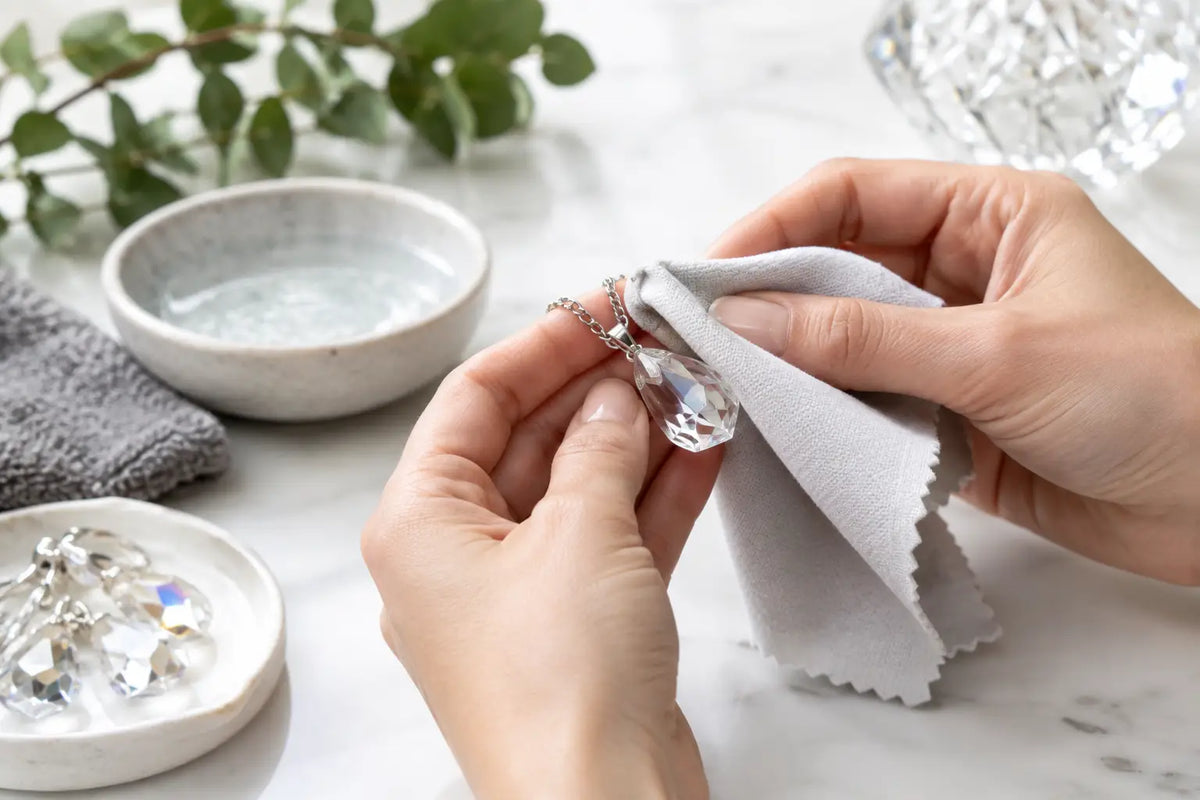
Store your zincite specimens in a cool, dry place. Direct, prolonged sunlight exposure can affect the color over the long term – a shaded, well-ventilated spot is ideal. Keep individual specimens in separate boxes or on soft padding material to avoid scratches. A soft, dry cloth is sufficient for cleaning. Avoid aggressive cleaning agents or water.
Does the value of zincite increase over time?
High-quality specimens with documented provenance and an authenticity certificate are considered a stable investment in the collector community. Size, color intensity, crystal formation, and the rarity of the locality are decisive factors. Since new zincite deposits are exceptionally rare worldwide, the rule is: the better the quality and the more complete the documentation, the greater the long-term value potential.

Leave a comment
This site is protected by hCaptcha and the hCaptcha Privacy Policy and Terms of Service apply.