









Labeling and cataloging minerals
A clear quartz can be perfectly transparent, an amethyst geode can radiate calm instantly, and a small pyrite cube can feel like a treasure from the Earth's interior. But as soon as your own collection grows, memories quickly blur: Was this smoky quartz from the Alps? What was the name of the green variety next to the malachite? Labeling and cataloging minerals gives every piece its story back - and gives you a clear view of your very personal collection of nature.
Good labeling is far more than a love of order. It preserves knowledge about localities, special features, and acquisition. For collectors, it makes the collection traceable; for lovers of beautiful crystals, it becomes a loving form of appreciation. After all, every mineral is unique: formed over millions of years, shaped by pressure, temperature, inclusions, and its origin within the earth.
Why labels do justice to every crystal
Without a label, even the most beautiful piece eventually becomes just "the blue stone from vacation." That can be charming, but it's not enough if you want to collect purposefully, compare minerals, or pass on your favorite pieces. A small label creates clarity without taking anything away from a crystal's magic.
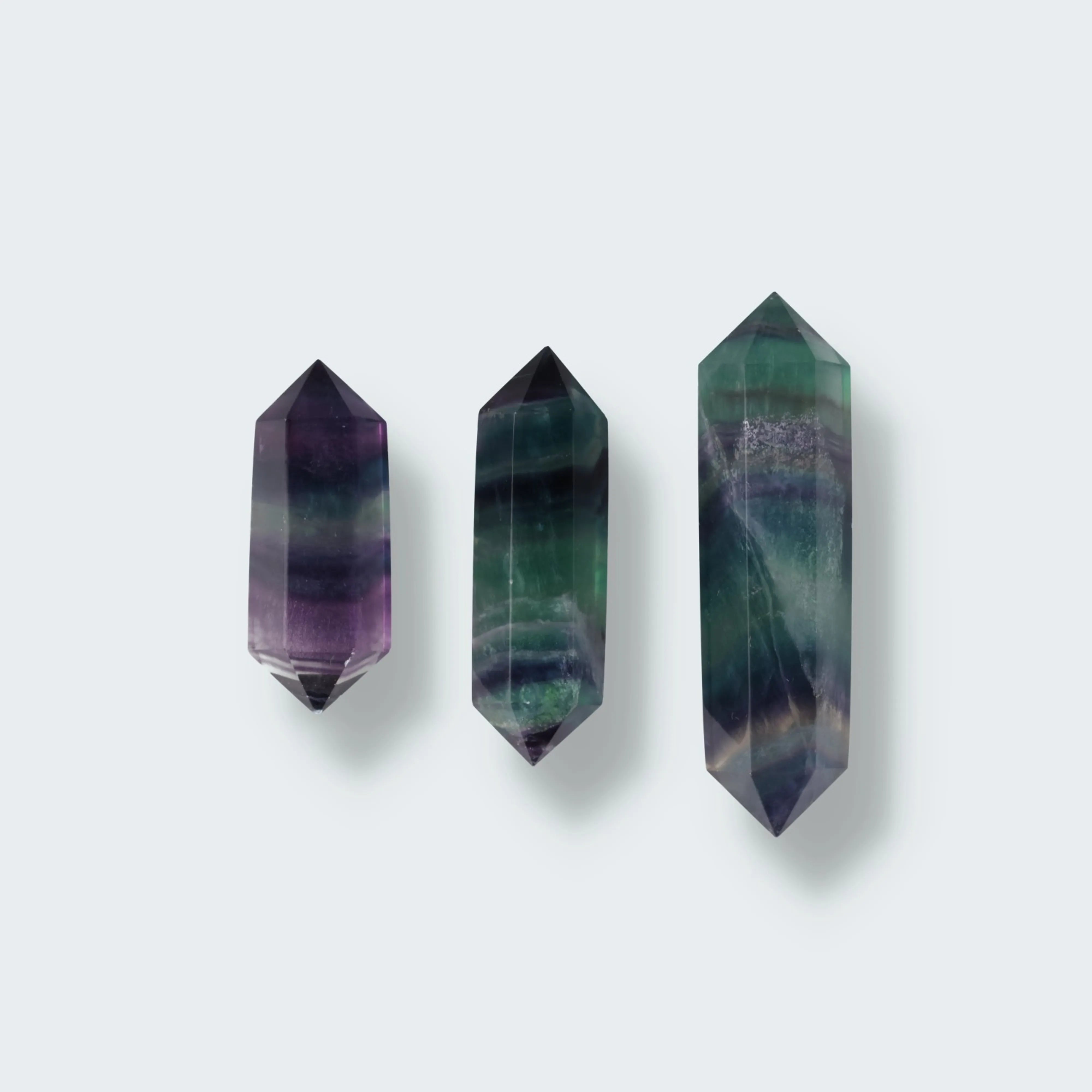
Especially with similar minerals, labeling helps enormously. Fluorite and colored calcite, rose quartz and mangano calcite, or various types of agate can look alike at first glance. With name, origin, and purchase date, your collection remains honestly documented. This is also helpful later on if you add a piece, give it away, or want to better assess its possible collector's value.
For many people, crystals also carry a personal meaning. Perhaps a labradorite has accompanied you through a time of new beginnings, a black tourmaline stands for grounding in your home, or a citrine reminds you to bring your inner strength to light. Such individual associations deserve their place - ideally kept separate from mineralogical facts. This way, your collection stays mindful, personal, and cleanly documented at the same time.
Labeling minerals: Which details really matter
For a small tumbled stone, a compact label is often enough. A rare specimen, a crystal cluster, or a piece with a confirmed locality may be described in more detail. What matters is not fitting in as much text as possible, but recording the information you'll actually need later.
Every basic label should include the mineral name and, if known, the variety. So don't just write "quartz," but rather, for example, "amethyst," "smoky quartz," or "clear quartz." Add the locality as precisely as your information allows: country and region are a good start, and for special pieces, the mine, mountain range, or specific find site may be added.
The acquisition date, or at least the year, is also worth noting. Also note whether a piece has been cut, polished, heated, dyed, stabilized, or otherwise treated, if this information is available. This is not a judgment. Treated crystals can be beautiful home accessories and personal companions. Transparency simply ensures that you later know exactly what you're holding.
For larger or special pieces, weight, dimensions, purchase price, seller, and an inventory number can also be noted. The inventory number connects the object to your catalog and prevents mix-ups. A simple system like "2026-001" for the first piece of the year works reliably and remains clear even as the collection grows.
If you'd like to add energetic or emotional notes, reserve a field for this such as "Personal Meaning." There you could write: "Workspace - reminds me of focus and confidence" or "Birthday gift." Such words don't make a catalog less serious - they turn it into your own treasure book.
The right material protects against mix-ups
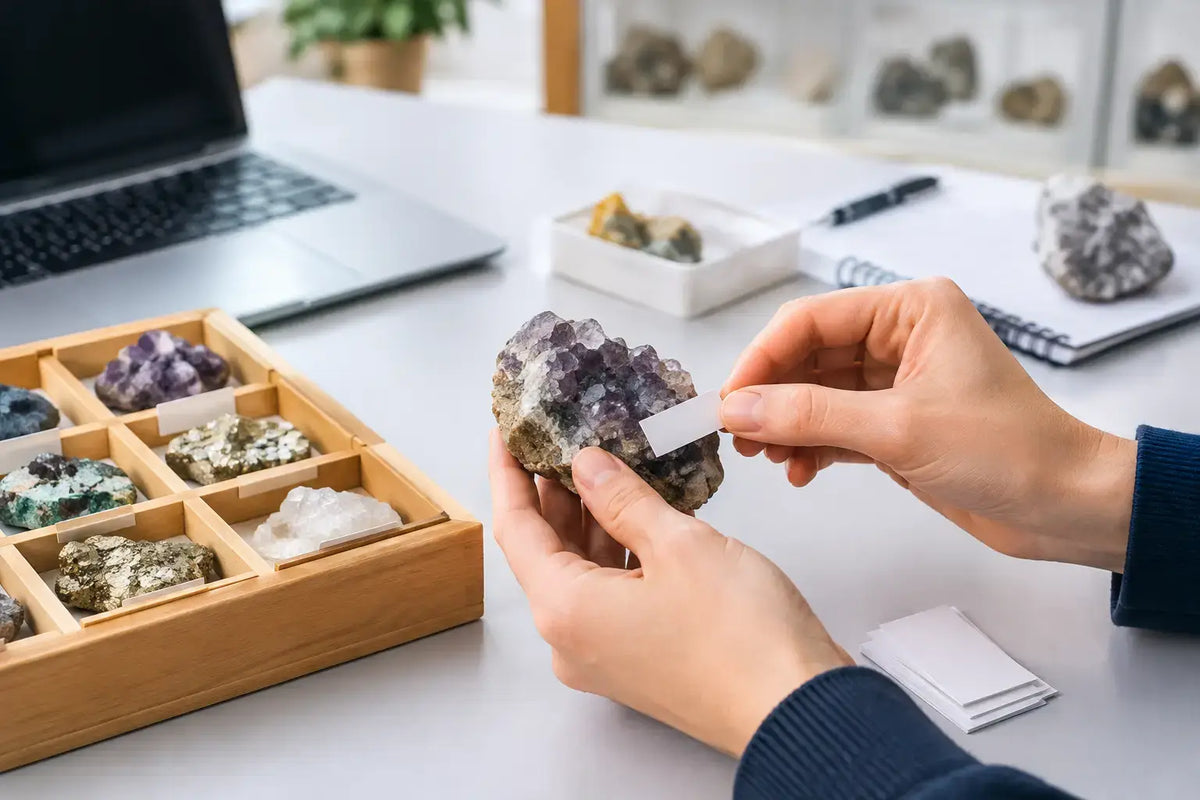
Paper labels look classic and are especially suited to display cases, bowls, and small stands. Use acid-free paper and lightfast ink whenever possible, so the writing stays legible for a long time. Small cardboard tags next to the mineral are usually better than adhesive labels placed directly on the piece.
Adhesive can stick to rough surfaces, affect delicate crystals, or leave unsightly residue when exposed to heat. This is especially true for soft, porous, or water-sensitive minerals like selenite, azurite, malachite, or raw calcite: the label belongs next to the piece, not on it.
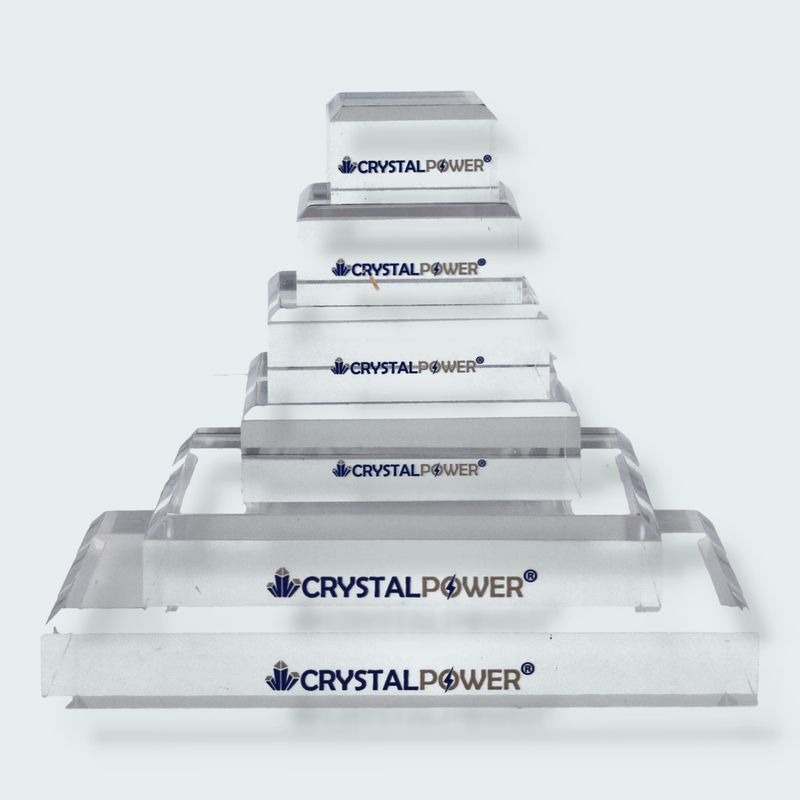
For drawer systems and collector boxes, labels with inventory numbers are practical. In a display case, small acrylic stands or folded cards look elegant and calm. For jewelry, pendulums, or palm stones, a tag on a cord or a labeled jewelry card works well. This keeps the look light while keeping the origin visible.
Cataloging minerals - analog, digital, or combined?
A catalog doesn't have to be complicated. The best solution is the one you'll actually maintain. Those who enjoy writing and leafing through pages will delight in a beautiful collector's book. Those with many pieces, or who want to search quickly by locality, are well served by a digital spreadsheet. The combination is often especially fitting: the label stays with the mineral, while photos and detailed information are stored digitally.
Start with one line or page per object. Besides the inventory number and the label information, at least one photo is worthwhile. Photograph the piece in daylight from the front and, if it's interesting, also from the back or of special inclusions. For larger minerals, place a ruler or a neutral size reference next to it.
Digital catalogs have a clear advantage: you can filter by mineral type, color, country of origin, or storage location. Anyone wanting to find all pieces from Brazil, all pink crystals, or all rough stones gets the answer within seconds. Assign a fixed storage location for each piece, for example "Living room display case, shelf 2" or "Box B, row 4."
A spreadsheet is entirely sufficient to get started. Consistent spelling is important. Decide, for example, to consistently use "Madagascar" instead of alternating between "Madagascar" and "Mada." For mineral names, you can use the common trade name and add the scientific name if needed. Especially in the crystal field, trade names are popular but not always precise. A note such as "trade name per seller" creates transparency if you're unsure.
A gentle start for existing collections
The most common mistake is wanting to perfectly catalog the entire collection in a single weekend. This takes away the joy and often causes the project to stall. Instead, start with ten pieces you especially love, or with a single category like tumbled stones, rough minerals, or crystal jewelry.
Pick up each object mindfully. Check existing tags, receipts, and packaging. If information is missing, don't just write guesses down as facts. Phrases like "probably Brazil," "origin not documented," or "verify attribution" are completely fine. A collection gains quality when it deals openly with gaps in knowledge.
Meanwhile, don't sort solely by color. That can be wonderful for a decorative bowl, but for the catalog, the mineral type is usually the better starting point. A second sort by locality, purchase year, or personal meaning can always be added digitally. This keeps your collection alive, rather than disappearing into a rigid system.
Care, storage, and documentation belong together
A carefully labeled mineral also deserves a suitable place. Direct, intense sunlight can change some colors, for example with amethyst or rose quartz. Delicate pieces shouldn't touch each other loosely, since even hard crystals can damage edges or scratch softer minerals.
Keep labels as dry and protected from light as possible. For a display case with a lot of sunlight, a separate inventory sheet may make more sense than a paper tag permanently placed next to the piece. And when you clean a piece, take a look at your catalog first: not every mineral tolerates water, salt, or prolonged sun exposure. Documentation thus helps not only with finding pieces again, but also with mindful care.
Give your collection time to develop. A new label, a good photo, or a rediscovered note on origin can completely change how you see a crystal. When every piece has a name, an origin, and a place, many beautiful stones become a collection that tells your story - clearly organized and full of natural energy.


Leave a comment
This site is protected by hCaptcha and the hCaptcha Privacy Policy and Terms of Service apply.