







Which healing stone can help with depression?

In the holistic tradition, certain crystals are regarded as companion symbols – quiet objects to which people in various cultures have attributed special meaning. This article introduces you to the most important stones, explains their traditional properties, and shows you how to meaningfully integrate them into your everyday life. Please note: healing stones do not replace medical or therapeutic treatment.
What is behind the concept of "healing stones and emotional balance"?
Depression is a serious illness. It belongs in the hands of professionals – doctors, psychologists, therapists. However, the holistic wellness tradition views crystals and healing stones as complementary companions. They are not meant to heal. But according to traditional lore, they can create an emotional resonance space.
Many people report that consciously holding, wearing, or looking at certain stones helps them find a moment of stillness. This effect can possibly be explained through mindfulness, ritual, and the beauty of nature itself. Minerals formed millions of years ago deep within the earth. Their structure and color can visually leave a calm, composed impression.
At our shop at Crystal Paradise, people come to us every day looking for a stone that "fits them." We listen, we advise, and we only recommend stones that we truly stand behind.
1. Citrine – the Sun Stone
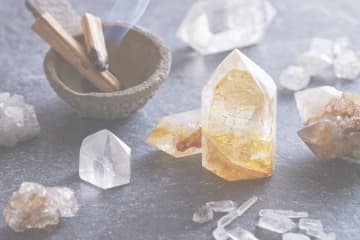
Citrine is a yellow to orange shimmering quartz. It belongs to the quartz mineral family with a Mohs hardness of 7. Its color comes from traces of iron in the crystal structure. Deposits are found mainly in Brazil and Madagascar.
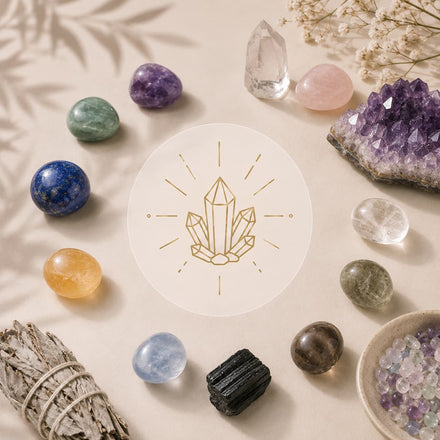
In stone lore, citrine is considered the "stone of joy of life." It is traditionally said to dissolve negativity and foster inner warmth. People in emotional lows are said to particularly benefit from its bright, sunny energy. Citrine is one of the few stones traditionally said to never store negative energies.
2. Rose Quartz – the Stone of Self-Love
Rose quartz is a delicate pink quartz with a hardness of also 7 on the Mohs scale. It contains microscopic fine inclusions of dumortierite or rutile threads, which give it its characteristic color. Main deposits are Brazil, Madagascar, and Mozambique.
According to traditional lore, rose quartz activates the heart chakra. In stone lore, it is considered a stone attributed with gentle and comforting qualities. Anyone wishing to be at peace with themselves has been recommended rose quartz in stone lore for centuries. It is one of our best-selling stones – and for good reason.
3. Amethyst – the Stone of Calm
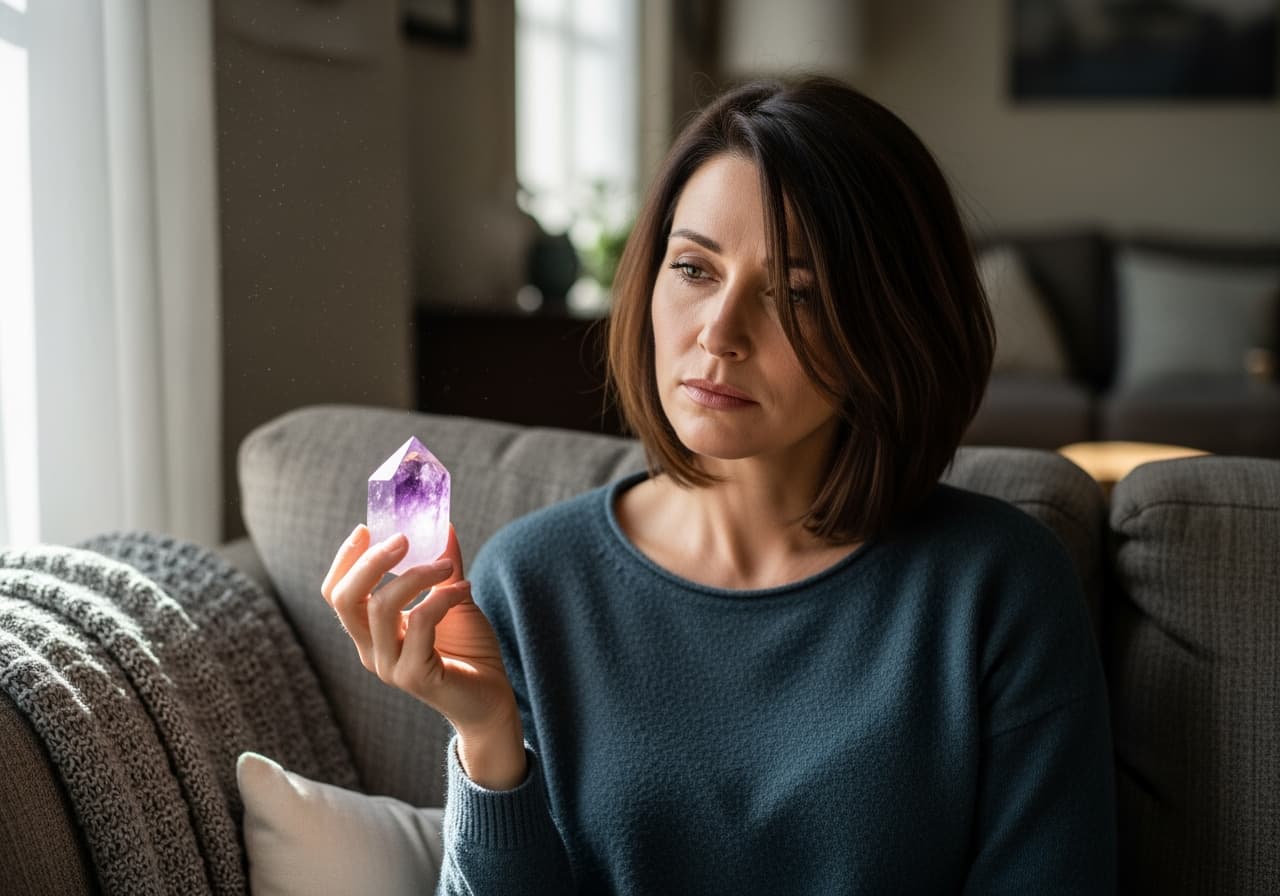
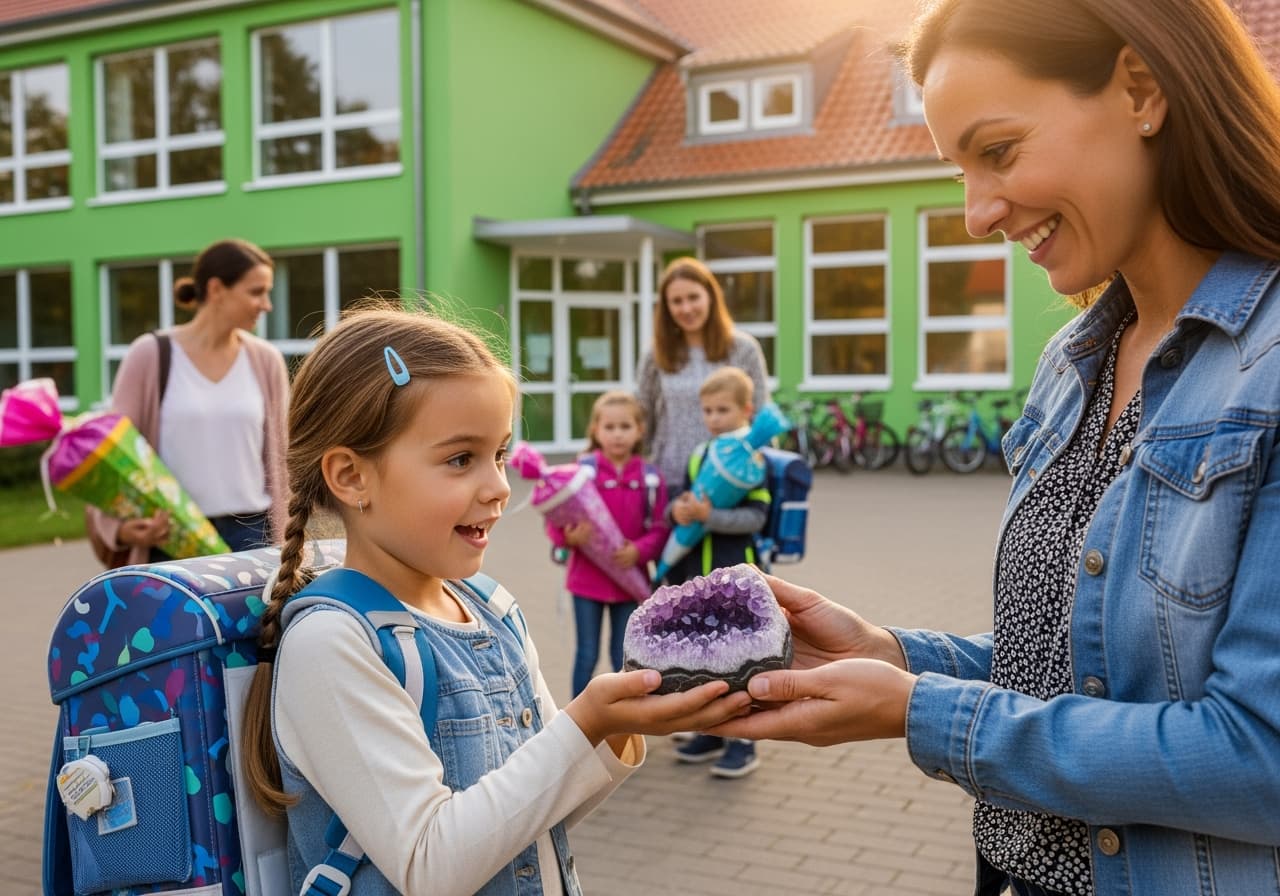
Amethyst is a violet quartz, also with a hardness of 7. Its color comes from iron ions and natural irradiation deep within the earth. Important deposits are Uruguay, Brazil, and Zambia. Some specimens feature crystal points up to 30 centimeters in length.
In stone lore, amethyst is considered one of the most powerful stones for mind and soul. In stone lore, it is attributed with calming and balancing qualities – a tradition found across various cultures. Anyone who cannot mentally settle down during dark phases will, according to tradition, find a quiet ally in amethyst. Check out our Healing Stones for Better Sleep – amethyst is a steady companion there.
4. Smoky Quartz – the Grounding Stone
Smoky quartz already carries its power in its name. It is a gray-brown to almost black colored quartz with a hardness of 7. Its color comes from natural radioactive irradiation within the earth's rock over millions of years. Deposits are found in Switzerland (historically known as "morion"), Brazil, and Scotland.
Smoky quartz is traditionally regarded as a deeply grounding stone. It is said, according to traditional lore, to ground fear and emotional heaviness – literally channeling them into the earth. For anyone feeling emotionally "in free fall," we recommend this stone as a stabilizing foundation.
5. Sunstone – Energy and Optimism
Sunstone, also called aventurine feldspar, shimmers in warm orange and gold tones. It has a hardness of 6 to 6.5 and contains inclusions of hematite or goethite, which create its characteristic sparkle effect (aventurescence). It comes mainly from Norway, India, and Canada.
In stone lore, sunstone is considered the stone of optimism and personal strength. According to tradition, it is said to dissolve inner blockages and reignite joy of life. It is traditionally recommended especially during times of inner emptiness.
Crystals and Emotional Balance: How to Integrate Healing Stones into Your Everyday Life
Mindful handling of healing stones is just as important as choosing the right stone. Here are some proven methods from our years of consulting experience at Crystal Paradise:
- Carry as a palm stone: Hold the stone in your hand during meditation or quiet moments. Direct skin contact intensifies the conscious experience.
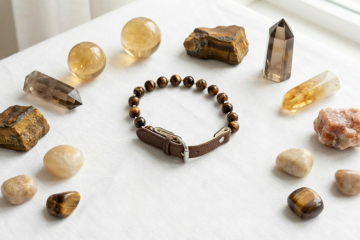
- Wear on the body: As a pendant or bracelet, the stone stays close to you. Rose quartz and citrine in particular are well suited as jewelry stones.
- Place in your living space: Put an amethyst specimen or a citrine cluster on your desk or by your bed. The presence of the stone serves as a daily reminder of mindfulness.
- Use for meditation: Place the stone on your heart chakra (chest) while lying still. 5 to 10 minutes daily can already make a difference.
- As a companion in difficult moments: Put a small tumbled stone in your jacket pocket. Reach for it consciously when you need support.
For your stone to unfold its energy, you should clean and recharge it regularly. Check out our detailed guide: Cleaning Healing Stones – How to Cleanse and Clear Your Crystals Properly. And if you want to know how to care for your stones and realign them: Charging & Cleansing Healing Stones – Guide.
Which stone lore traditions speak of healing stones during emotional lows?

The connection between stones and emotional well-being is not a modern invention. Already in antiquity – documented since at least the 4th century BC – Greek scholars such as Theophrastus described the properties of minerals in his work "Peri Lithon" (approx. 315 BC). In the European Middle Ages, Hildegard of Bingen (1098–1179) wrote extensive texts about healing stones and the emotional qualities attributed to them in tradition.
Modern stone lore builds on these traditions and combines them with chakra teachings from Indian Ayurveda as well as shamanic traditions from various cultures. It makes no scientific claims – it offers a symbolic and ritual framework for people who wish for a mindful relationship with nature.
Anyone wanting to learn more about the meanings traditionally attributed to certain stones will find an overview in our blog article: Which Healing Stone Suits Me? for further valuable insights.
Practical Tips: Choosing and Caring for Your Healing Stones
Pay Attention to Authenticity
At Crystal Paradise, we place the greatest value on genuine, untreated stones from verified sources. Synthetic or dyed imitations do not have a comparable mineralogical structure. When buying, pay attention to transparency about origin and to reputable dealers – whether online or in a showroom.
Choosing Size and Shape
Tumblers (polished pebbles) are ideal as palm stones. They typically range in size from 2 to 5 centimeters. Specimens and clusters can energetically enliven rooms. Pendants and bracelets allow for constant wear on the body.
Cleaning and Charging
Stones should be cleaned regularly – especially after intense emotional phases. Many stones can be cleaned and charged under running water (approx. 1 to 2 minutes) or by moonlight (ideally during a full moon, at least 4 to 6 hours). Note: Some stones like citrine should not be exposed to sunlight for too long, as they can fade after several hours of direct sunlight.
Also browse our Bestselling Healing Stones – there you'll find our community's most popular stones, curated and hand-selected.
External Background: What Do Experts Say?
The World Health Organization (WHO) describes depression as one of the most common illnesses worldwide – with over 280 million people affected. Medical treatment by professionals should always come first. Complementary wellness approaches such as mindfulness, contact with nature, and – for some people – conscious work with crystals can be understood as accompanying self-care.
The German Depression Aid provides comprehensive information about evidence-based treatment options.
Frequently Asked Questions

Which stones are traditionally associated with balance?
There is no "most effective" healing stone in the medical sense. In stone lore, citrine, rose quartz, and amethyst are traditionally recommended especially during emotional lows. Citrine is considered the stone of joy of life, rose quartz the stone of self-love, and amethyst the stone of inner calm. Which stone suits you depends on your personal resonance.
Can healing stones replace professional therapy?
No. Healing stones do not replace medical or psychotherapeutic treatment. Healing stones can be understood as a complementary self-care practice – as mindful companionship in everyday life, not as therapy.
How often should I clean my healing stone?
It is recommended to clean your healing stone at least once a month – ideally during a full moon. After

Written by Christian Neumayer

Leave a comment
This site is protected by hCaptcha and the hCaptcha Privacy Policy and Terms of Service apply.