







My visit to the Mineral Museum in Paris – A treasure chest in the heart of the City of Lights
The Mineral Museum Paris – A Visit That Deeply Impressed Me

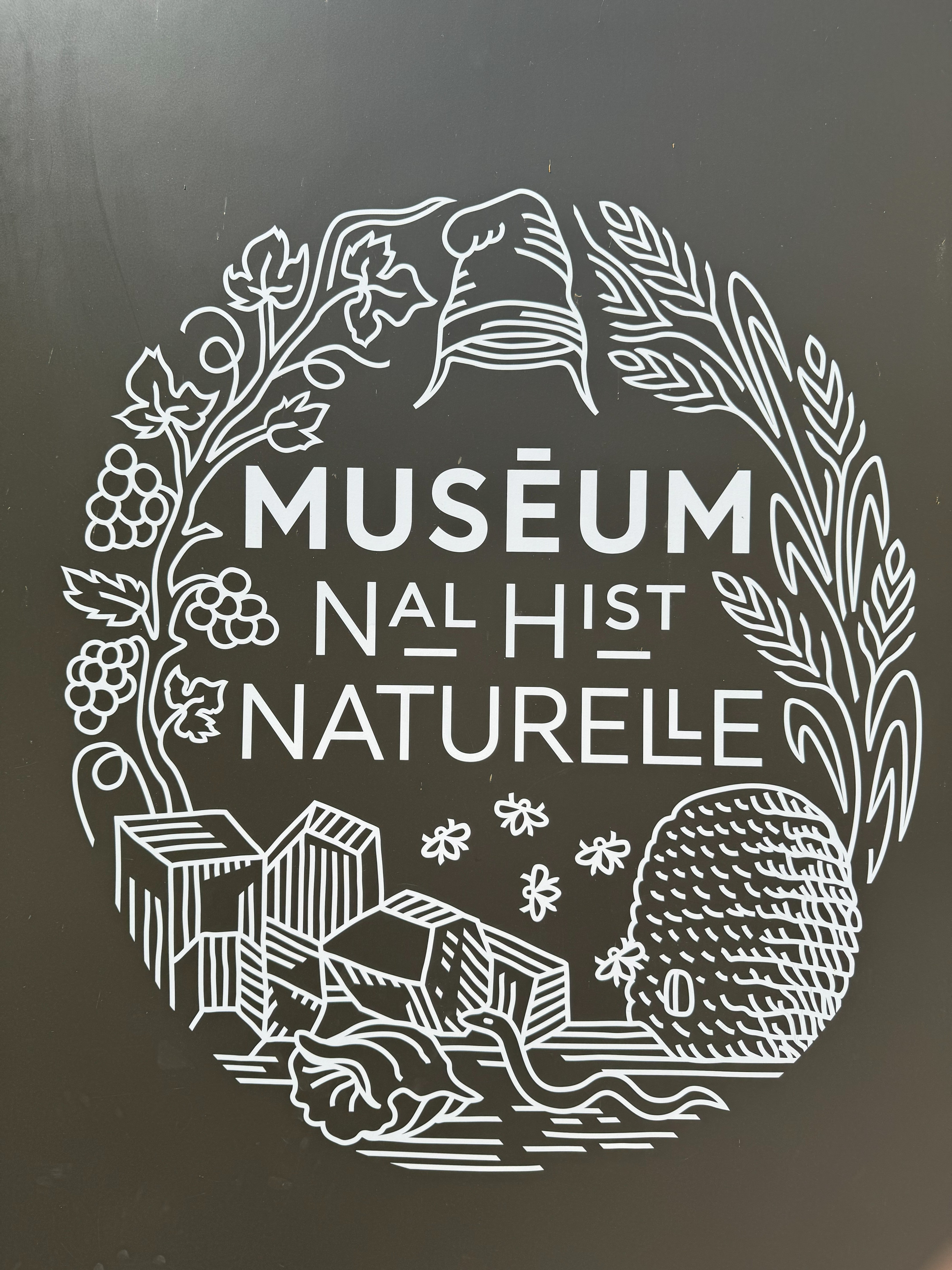
The Mineral Museum Paris – more precisely the Galerie de Minéralogie et de Géologie at the Muséum National d'Histoire Naturelle – ranks among the most significant mineralogical collections in the world. It is located in the Jardin des Plantes in the 5th Arrondissement and houses over 600,000 mineral pieces, of which around 2,000 are permanently on display. I visited it myself and can say from personal experience: this place is an absolute must-see in Paris for every mineral enthusiast.
The Galerie de Minéralogie – The Heart of the Mineral Museum Paris
The gallery opened in 1837. This makes it one of the oldest mineralogical exhibition halls in Europe. The building itself is a classicist gem. It sits nestled within the botanical garden of Paris, the Jardin des Plantes.
The visit begins even before the entrance door. Huge mineral blocks flank the entrance. Inside, an impressive panorama of display cases, shimmering crystals, and sparkling gemstones awaits.
The Treasure Chamber – Les Trésors de la Terre
The absolute highlight is the so-called Treasure Chamber in the basement. Here, the most significant pieces of the collection are stored. Among them are:
- Giant amethyst geodes from Brazil with rich violet crystal beds
- Topaz crystals of extraordinary size and clarity (Mohs hardness: 8)
- Tourmaline varieties in nearly every color of the spectrum
- A spectacular fluorite octahedron over 15 cm in edge length
- Rare meteorites over 4.5 billion years old
I was especially impressed by a rose quartz block from Brazil. It weighs several hundred kilograms. Its pink translucency under the museum light is simply breathtaking. Those just starting out in the world of minerals will find a perfect entry point for wonder here.
Meteorites and Rocks from the Solar System
A dedicated section is devoted to meteorites and cosmic rocks. The collection includes pieces from various epochs of Earth's history. Some exhibits come from the Moon and Mars. This gives the visit an almost philosophical dimension. Minerals exist beyond our planet – and this is made visible here.
My Personal Tour Through the Mineral Museum Paris
I spent almost 3 hours in the gallery. This is the minimum time I recommend. The exhibition rooms are spacious, but the abundance of exhibits is enormous. Those who take their time will keep discovering new details.
Particularly notable: the provenance information on the exhibits is very detailed. You learn not only the country, but often the exact mine or region. This corresponds exactly to what we at Crystal Paradise also consider important. Transparency about origin builds trust.
Comparison with the Mineral Experience in Feldkirchen bei München
After returning to Germany, I directly compared the visit with the experience in our showroom in Feldkirchen bei München. Naturally, the Parisian museum is incomparable in its historical dimension. But we at Crystal Paradise also focus on hand-picked natural unique pieces with transparent origin. Those near Munich can touch and feel our pieces live – something no museum in the world can offer.
From years of experience in the mineral trade, I know: direct contact with a real stone cannot be replaced by anything.
What Fascinated Me Most Mineralogically
Mineralogically, the section on silicates was especially exciting. They form the largest mineral class of the Earth's crust, making up over 90 percent. The gallery vividly explains how different silicate structures affect color, hardness, and luster. For beginners, this is a valuable foundation.
A special exhibit was an aegirine crystal from Greenland. This pyroxene representative forms deep black, needle-shaped prisms. Its specific gravity is around 3.5 g/cm³. A piece like this is rarely seen.
Practical Tips for Your Visit to the Mineral Museum Paris

To make your visit go smoothly, I've compiled the most important information:
- Check opening hours: The gallery is closed on Wednesdays. On other days of the week, it usually opens from 10 a.m. Current times can be found on the official website of the Muséum National d'Histoire Naturelle.
- Use a combination ticket: With a combo ticket, you can visit several galleries of the museum. It's worth it.
- Arrive early: In the morning, crowds are noticeably smaller than in the afternoon.
- Keep a notebook or photo app ready: The variety of provenance information is enormous. Those who collect stones will want to note the localities.
- Plan time for the Jardin des Plantes: The botanical garden around the museum invites a stroll – ideal as a finishing touch.
For further information about minerals and their valuation, I also recommend the Expert View on Mineral Prices on our blog. Those who want to know how to find minerals themselves while traveling will find helpful tips in our article Searching for Minerals on Vacation.
Special Mineralogical Highlights You Shouldn't Miss
- The kunzite display case with specimens from Afghanistan – a spodumene in pale lilac color (Mohs hardness: 6.5 to 7)
- The giant rock crystal – over 80 cm long, from Brazil
- Rare bismuth crystals with their rainbow-colored tarnish
- An extraordinary collection of fluorescent minerals that glow under UV light – fascinating for young and old
Speaking of UV minerals: those who want to learn more about this topic should read our article The Magic of UV Minerals. A real eye-opener.
What the Parisian Museum Teaches About the Depth of the Mineral World
A museum like the Galerie de Minéralogie impressively shows how diverse minerals are. There aren't just beautiful stones. There are minerals with unique crystal structures, extreme rarity, and fascinating physical properties.
In stone healing traditions, amethyst is traditionally attributed a clarifying and calming effect. Fluorite is regarded in tradition as a stone of order and mental clarity. Rose quartz has long been said to strengthen the feeling of warmth and security. These are spiritual traditions that have been passed down for centuries – and which are also implicitly felt in the museum when standing before these stones.
For collectors, it's also worth looking at special regions of origin. The museum contains many pieces from the Congo – one of the most mineral-rich countries on Earth. Our own collection Minerals from the DR Congo reflects this fascination.
Those who love the spectacular minerals of the Alpine region, on the other hand, should check out our Swiss Minerals Collection. Many of the alpine pieces exhibited in the museum come from similar geological formations.
For a well-founded external perspective, it's also worth checking the information pages of the Mindat Database – the world's largest mineralogical reference database.
Frequently Asked Questions

What is the Mineral Museum Paris and where is it located?
The Mineral Museum Paris is the Galerie de Minéralogie et de Géologie, part of the Muséum National d'Histoire Naturelle. It is located in the Jardin des Plantes in the 5th Arrondissement of Paris, Rue Buffon. The collection comprises over 600,000 mineral specimens and was founded in 1837.
Which highlights should I not miss at the Mineral Museum Paris?
Be sure to see: the underground Treasure Chamber with gemstones and giant crystals, the meteorite section, the fluorescence display case, and the large amethyst geodes and rock crystals from Brazil. For collectors, the detailed provenance information is especially valuable.
How much time should I plan for a visit?
You should plan at least 2 to 3 hours. Those who also want to visit the adjacent galleries and the Jardin des Plantes should reserve half a day. With a combo ticket, several museum buildings of the complex can be visited.
Where can I buy minerals after the visit?
After the visit to the Parisian museum, the enthusiasm can be continued directly online. At Crystal Paradise, you'll find hand-picked minerals, healing stones, and gemstones – with transparent origin and personal advice. Our showroom in Feldkirchen bei München also invites you to experience it in person.
Note: The effects mentioned are spiritual traditions without scientific evidence.

Written by Christian Neumayer

Leave a comment
This site is protected by hCaptcha and the hCaptcha Privacy Policy and Terms of Service apply.